Comparisons
Home Battery Backup vs Generator
An installed battery is a different product from a portable power station. Here is how it compares with a generator.
Written byMike M.
Published
Disclosure: we earn a commission on purchases made through links on this page, at no cost to you. It does not affect what we recommend or what we say about it — how we are funded.
The short answer
An installed home battery is silent, seamless, maintenance-free and substantially more expensive per kilowatt-hour of backup than a generator. It makes most sense where outages are short and frequent, where solar is already installed, or where running an engine is impractical. A generator is cheaper per watt and runs as long as it is fed, which is what multi-day outages require. Expandable portable units — Jackery's HomePower to 12 kWh, Anker's F3800 with 240 V output — now sit genuinely between the two.
First, a distinction that causes most of the confusion in this comparison. A portable power station is a box you plug appliances into. An installed home battery is wired into your panel, often paired with solar, and takes over automatically. They are different products and only the second one is a real alternative to a whole-house generator.
What an installed battery actually offers
The things a generator cannot match
- Seamless transfer
- Nothing in the house notices
- Silent
- No engine at all
- No fuel
- No storage, no rotation, no trips
- Zero maintenance
- No oil, filters or plugs
- Indoor safe
- No carbon monoxide ever
- Pairs with solar
- Recharges without the grid
These are properties of the technology rather than published product specifications — we do not stock installed battery systems. The point of listing them is that they are all things no generator can offer at any price.
That last row matters more than it first appears. A battery plus solar is the only backup arrangement that can run indefinitely without any fuel delivery at all — which in a prolonged regional outage is a genuinely different proposition from either a generator or a battery alone.
What it costs you
Energy, mostly. A generator's output is limited by its engine; a battery's total energy is limited by its capacity, and capacity is the expensive part. Covering a multi-day outage from batteries alone requires a great deal of kilowatt-hours, and each one costs.
Motor loads are the second constraint, though less absolutely than with portable units — an installed system's inverter is typically sized to handle household surges, and the systems designed for whole-home backup can start a well pump or an air conditioner.
And it is an installed product: an electrician, a permit, an inspection, and usually a utility interconnection agreement if solar is involved. That is a project rather than a purchase.
The middle ground, which is new and genuinely useful
Two products in this registry now sit between a portable box and an installed system:
Anker's SOLIX F3800 publishes 3,840 Wh with 120 V and 240 V output — the manufacturer cites powering a dryer — plus modular expansion and compatibility with a Smart Generator for automatic start-stop runtime extension. The 240 V capability is what lets a battery feed circuits the way a generator does, and it is the only unit here that can.
Jackery's HomePower 2000 Plus v2 publishes 2,048 Wh expandable to 12 kWh, 6,000+ LFP cycles with a stated 16-year design life, and Smart Energy Management with Priority Routing to keep essential circuits running during shortages.
The honest caveat on both: expansion batteries cost about as much each as a complete smaller unit, so 12 kWh is an expensive destination rather than a cheap upgrade. The value is in spreading the spend across years without replacing hardware.
The short answer
The expandable batteries, and the generators they compete with
| # | Product | Best for | Score | Price |
|---|---|---|---|---|
| 1 | 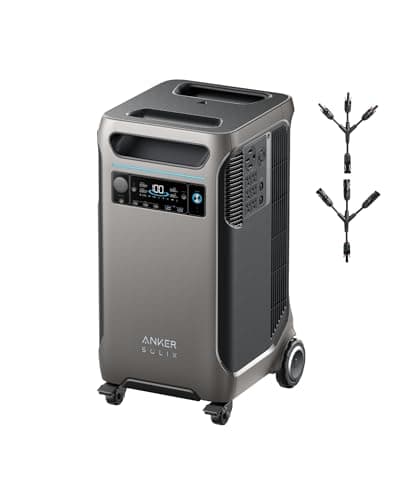 Anker SOLIX F3800 The only battery here that can genuinely stand in for a generator on 240V circuits, priced like the installed system it really is. | 240V loads from a battery | 8.4/10 | $1,979.99 |
| 2 | 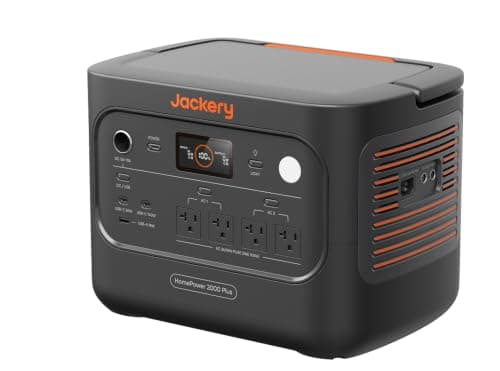 Jackery HomePower 2000 Plus v2 The right battery if you intend to grow the system: start at 2 kWh, add capacity as budget allows, and keep the same hardware. | Expandable whole-circuit backup | 8.7/10 | $1,069.00 |
| 3 | 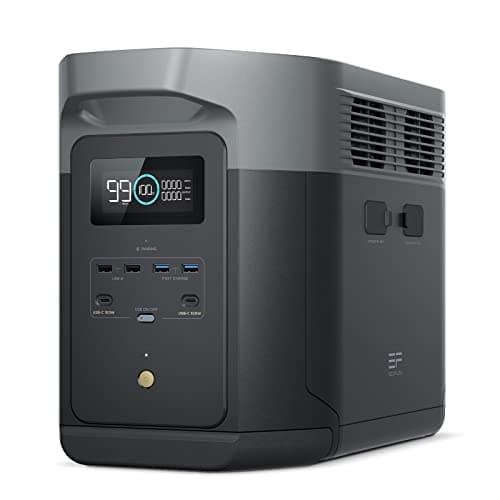 EcoFlow DELTA 2 Max The best choice if solar recharging is part of your plan: 1,000 W of solar input and a 43-minute AC recharge make it the hardest unit here to actually run flat. | Most outlets, expandable to 6 kWh | 8.8/10 | $1,029.00 |
| 4 | 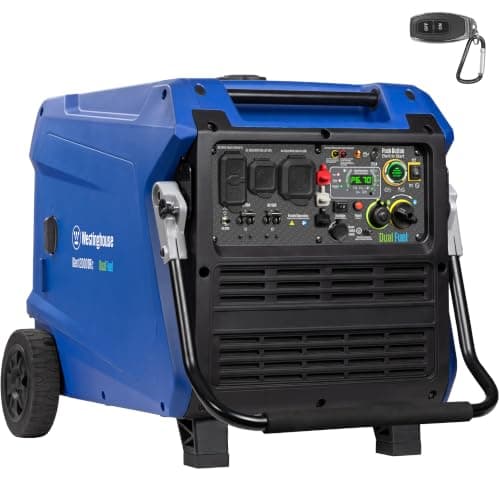 Westinghouse iGen12000DFc 12,000W Dual Fuel Inverter The best technical answer for whole-house backup if the budget allows: transfer-switch-ready output, inverter-clean power, and far less noise than the conventional alternative. | Whole-house backup with clean power | 9.0/10 | $1,899.00 |
| 5 | 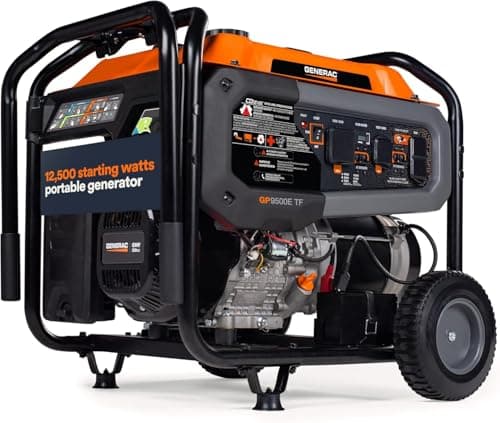 Generac 12,500W Starting Tri-Fuel The cheapest credible way to get a generator onto your home's natural gas line, which is the one fuel supply an outage usually does not interrupt. | Natural-gas hookup at the best price | 9.1/10 | $920.00 |
#ad Prices as of October 5, 2026; they may have changed since. Scores are our editorial judgment from published specifications, not test results — how we pick. How we are funded.
Which household suits which
| Your situation | Better answer | Why |
|---|---|---|
| Frequent short outages | Battery | Seamless, silent, no fuel to keep fresh |
| Rare multi-day outages | Generator | Fuel is cheap energy; capacity is not |
| Solar already installed | Battery | Recharges without the grid |
| Well pump and sump pump | Generator | Surge and sustained load |
| Nobody home during outages | Battery (or standby generator) | Automatic |
| Apartment or no outdoor space | Battery | A generator is not usable at all |
| Tight budget, needs capability | Generator | Cheapest watts available |
The pairing that beats either
A battery for the first several hours and a generator for the long tail. The battery handles the common case — a short outage, seamlessly, silently, with nobody home — and the generator handles the rare case where the outage runs for days.
Anker's F3800 is designed around exactly this, publishing compatibility with a Smart Generator for automatic start-stop runtime extension: the battery covers the outage and the generator starts itself only when the battery needs replenishing. That is the closest any product here comes to indefinite automatic backup.
If a generator is going to be part of the plan, a tri-fuel machine on natural gas is the strongest partner, because it removes refueling as well. See best tri-fuel generators.
Questions people actually ask
Is home battery backup better than a generator?
It is silent, seamless, maintenance-free and needs no fuel, and it is substantially more expensive per kilowatt-hour of backup. It suits frequent short outages, houses with solar already installed, and situations where running an engine is impractical. A generator is cheaper per watt and runs as long as it is fed.
What is the difference between a home battery and a power station?
A portable power station is a box you plug appliances into. An installed home battery is wired into your panel, often paired with solar, and takes over automatically. Only the second is a genuine alternative to a whole-house generator.
Can a battery system run my whole house?
An installed system sized for it can, including motor loads, because its inverter is sized for household surges. Portable units generally cannot — output ceilings are 1,500-2,400 watts with no 240 volt output, the exception being Anker's SOLIX F3800 which publishes both voltages.
Is a battery worth it without solar?
It still gives you silent, seamless, maintenance-free backup, which has real value. But solar is what makes a battery genuinely independent of fuel deliveries, and without it the battery holds a fixed quantity of energy that a long outage will exhaust.
Can I expand a portable power station into a whole-home system?
Partly. Jackery's HomePower 2000 Plus v2 publishes expansion to 12 kWh with Priority Routing for essential circuits, and Anker's F3800 publishes 240 volt output and modular expansion. The caveat is that each expansion battery costs about as much as a complete smaller unit.
Can a battery and a generator work together?
Yes, and it is often the best arrangement. The battery covers the common short outage seamlessly and silently; the generator handles the rare multi-day one. Anker's F3800 publishes compatibility with a Smart Generator for automatic start-stop runtime extension.
Sources
- Eugene Water & Electric Board — Generator Sizing ConsiderationsPublished appliance running and additional-starting watt figures used in the load arithmetic on this page.
- US Consumer Product Safety Commission — Portable Generator Information CenterThe placement and carbon monoxide guidance referenced wherever this page compares indoor and outdoor operation.
Read next
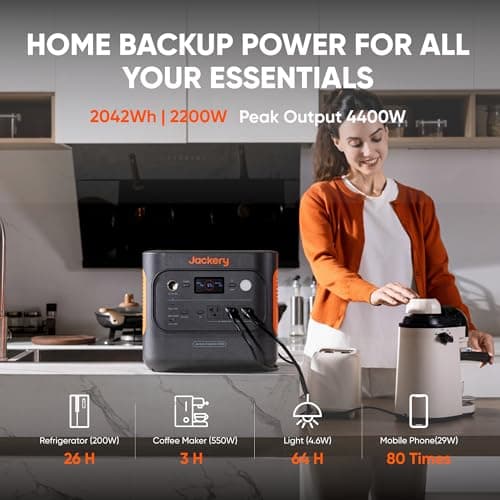
Battery vs Engine
Portable Power Station vs Generator
Battery against generator on surge capability, runtime, placement and cost, with the two facts that decide it.
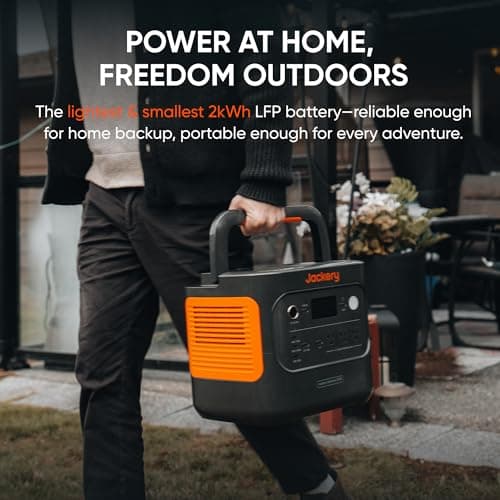
Best Overall Power Station
The Best Home Backup Power Stations
Battery power stations ranked for home backup on surge, capacity, recharge speed and cycle life.
Top pick · Jackery Explorer 2000 v2
$898.99View on Amazon10% off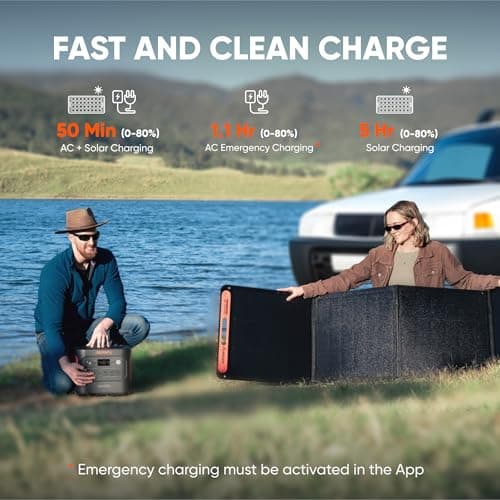
Best Solar Kit
Best Solar Generators for Home Backup
Battery-plus-panel kits ranked on solar input ceiling and capacity, with honest expectations for real-world panel output.
Top pick · Jackery Explorer 2000 v2 + 2x200W Solar
$1,329.00View on Amazon19% off
Comparison
Portable vs Standby Generator
Portable against permanently installed standby generators, and where the top of the portable range starts to overlap.
Comparison
Power Station vs Generator: Total Cost
Five-year ownership cost compared between a battery and a generator, including the connection and maintenance lines.