Outage Prep
Emergency Preparedness Gifts That Get Used
Written for the gifter, not the enthusiast. What to buy, who it suits, and what the recipient will need to add.
Written byMike M.
Published
Disclosure: we earn a commission on purchases made through links on this page, at no cost to you. It does not affect what we recommend or what we say about it — how we are funded.
The short answer
- Under $25: a battery carbon monoxide alarm. Genuinely the highest-value item here and almost nobody has a working one.
- Under $50: a spill-proof fuel can, or fuel stabilizer for someone who already owns a generator.
- Under $200: a small LiFePO4 power station — phones, lights and a CPAP for several days.
- $500-900: a 1-2 kWh power station that runs a refrigerator through an outage.
Preparedness gifts have a bad reputation because most of them are bought as a gesture and never used. The ones below are different for a specific reason: each one solves a problem the recipient already has, rather than a hypothetical one, and none of them requires them to become interested in the subject.
A note on who these suit. These are for someone whose power goes out — a new homeowner, someone who has just moved somewhere with overhead lines, a parent in a storm-prone area, someone with a well or a sump pump. If the recipient genuinely never loses power, buy them something else.
Under $25: the one nearly everyone should get
A battery-powered carbon monoxide alarm. It sounds like a boring gift and it is the most consequential item on this page.
The reason: most houses have a plug-in or hardwired CO alarm, which does not work during a power outage — exactly when someone is running a generator or a propane heater. A battery alarm works when the grid does not. It costs about twenty dollars, and if the recipient runs a generator it addresses the way generators actually kill people.
What to check: look for an electrochemical sensor (the accurate type for CO), and note that CO sensors expire — commonly after 7 to 10 years — so you are giving something with a service life, not a permanent fixture. Buying two, for different floors, is better than buying one.
Under $50: for someone who already owns a generator
If the recipient has a generator, they almost certainly have a fuel problem they have not thought about. Untreated gasoline degrades within months and a gummed carburetor is the most common reason a stored generator will not start.
Fuel stabilizer fixes that for about fourteen dollars, and STA-BIL's 32 oz bottle treats enough fuel for several seasons. It is a genuinely thoughtful gift for a generator owner because it addresses a failure they do not know is coming.
A spill-proof fuel can is the other good choice in this bracket. Refueling happens in the dark, in bad weather, near a hot engine, and a can that glugs and spills is a hazard in that moment. Scepter's SmartControl spout publishes a controllable flow rate with an integrated vent; SureCan's rotating bottom spout means never inverting a full 40 lb can at all. Either is a real upgrade on whatever they currently use.
The short answer
Under $100
| # | Product | Best for | Score | Price |
|---|---|---|---|---|
| 1 | 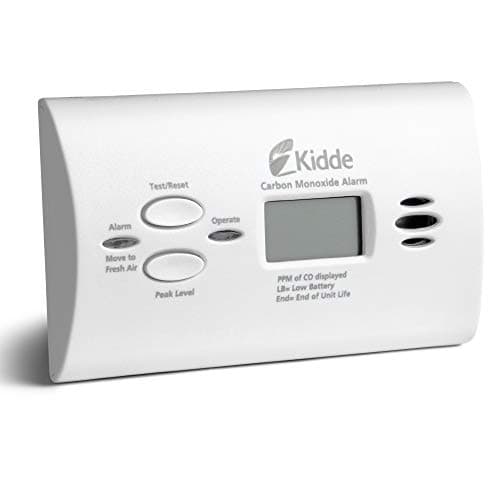 Kidde KN-COPP-B-LPM Battery CO Alarm Buy this before you buy the generator. Battery-powered CO detection is the one piece of equipment that addresses the way generators actually kill people. | The one accessory nobody should skip | 9.6/10 | $23.45 |
| 2 | 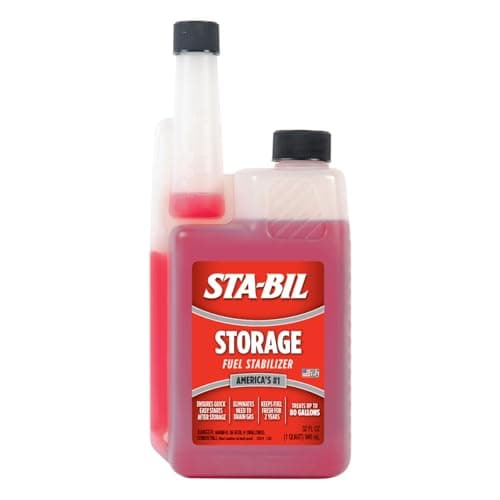 STA-BIL Storage Fuel Stabilizer, 32 oz The cheapest insurance against the most common generator failure: a machine that will not start because the fuel sat for a year. | Keeping stored gasoline usable | 9.4/10 | $13.58 |
| 3 | 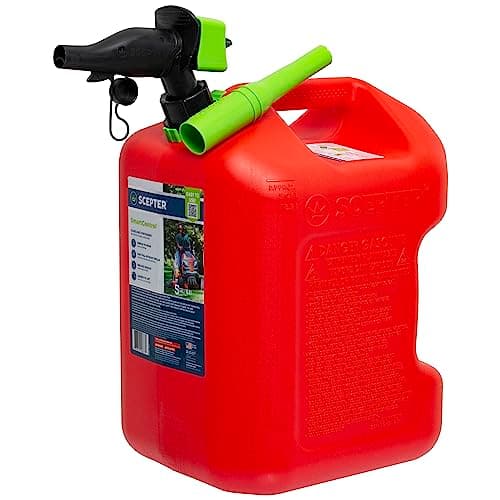 Scepter 5 Gallon Gas Can, SmartControl Spout The right fuel can: vented, controllable and fast, which matters because the dangerous part of a generator is usually refueling it. | Pouring without spilling | 9.2/10 | $41.11 |
| 4 | 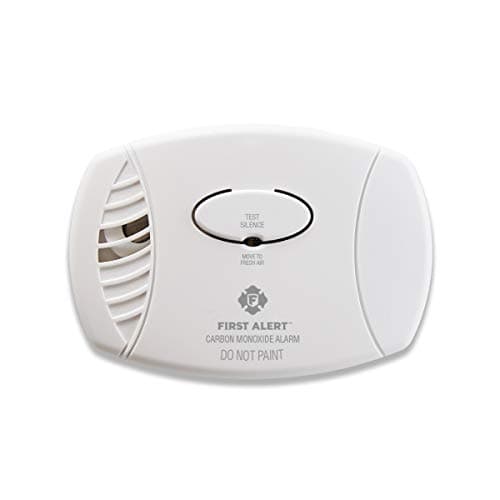 First Alert CO400 Battery CO Alarm The right second alarm: put the Kidde on the sleeping floor and this one near the room closest to where the generator sits. | A second alarm for upstairs | 9.2/10 | $21.99 |
| 5 | 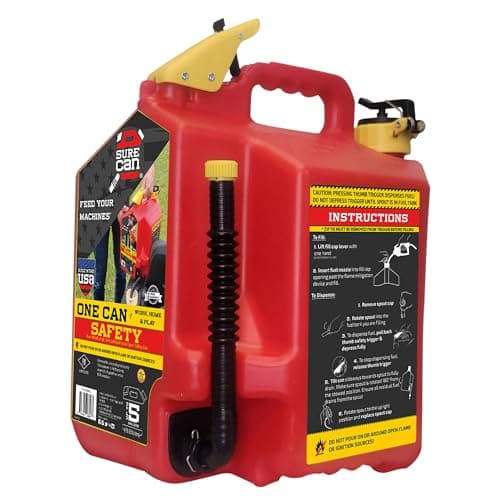 SureCan SureCan 5 Gallon, Rotating Spout Worth the premium if lifting and inverting a full can is awkward for you — the bottom-pour design removes the most dangerous moment in refueling. | Pouring without lifting and tilting | 9.0/10 | $76.50 |
#ad Prices as of October 5, 2026; they may have changed since. Scores are our editorial judgment from published specifications, not test results — how we pick. How we are funded.
Under $200: a small power station
This is the bracket where a gift starts doing something visible. A 230-300 Wh LiFePO4 power station keeps phones, a tablet, a laptop and LED lights going for days, and will run a CPAP for a night or two without its humidifier.
What to check before buying one as a gift: it will not run appliances. A 300 watt output cannot start a refrigerator, a microwave or anything with a heating element. If the recipient's actual worry is the fridge, this bracket is the wrong one and you need the next section. If their worry is phones, lights, a medical device or working from home, this is ideal and the smaller size means it actually gets used.
LiFePO4 chemistry is worth insisting on at this price. It is rated for thousands of cycles against a few hundred for older chemistries, which means the gift is still working in ten years. VTOMAN's FlashSpeed 300 has a useful detail for a gift: it recharges over ordinary 100 W USB-C, so there is no proprietary brick to lose.
$500-900: the one that runs a refrigerator
A 1-2 kWh power station is the gift that solves the problem people actually lose sleep over. A 2 kWh unit carries a refrigerator for roughly a day and a half on our arithmetic, runs indoors with no exhaust, makes no noise, and needs no fuel.
Two things to check. Surge rating: it needs about 3,000 watts of surge to start a fridge compressor, because both published wattage charts put the fridge's surge at 2,200 watts. A unit with 1,500 watts of surge will not do it regardless of capacity. And UPS switchover: units transferring in under 10 ms mean the fridge never actually stops, which is a meaningfully better experience.
Bluetti's FridgePower is worth singling out as a gift because of what it does unprompted: a published 4 watt standby draw so it can live plugged in permanently, and an app storm alert that fast-charges it when severe weather is forecast. The recipient does not have to remember anything, which is exactly what you want from a gift that has to be ready on an unpredictable day.
The short answer
$150-900
| # | Product | Best for | Score | Price |
|---|---|---|---|---|
| 1 | 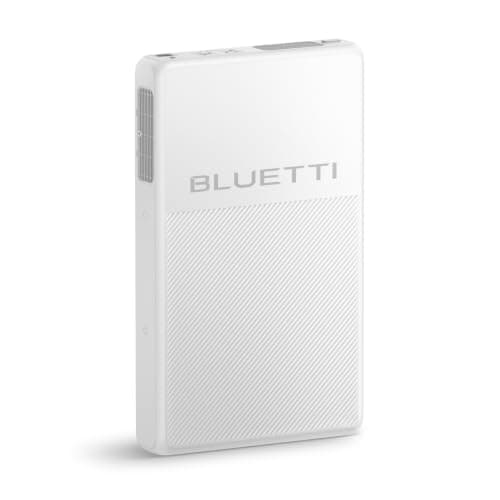 Bluetti FridgePower If the problem you are solving is specifically the refrigerator, this is the unit designed for that problem — the 4 W standby and storm auto-charge are genuine engineering answers to it. | Purpose-built refrigerator backup | 9.0/10 | $899.00 |
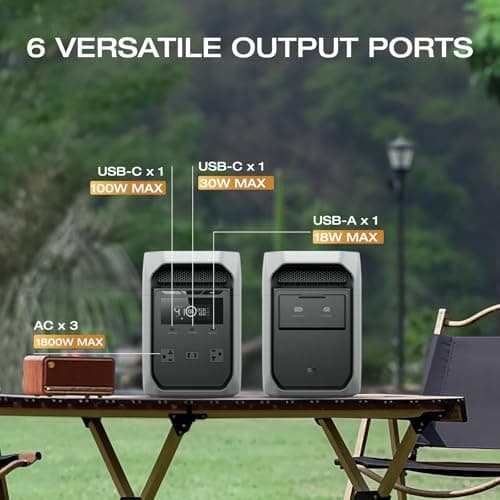
| 2 | 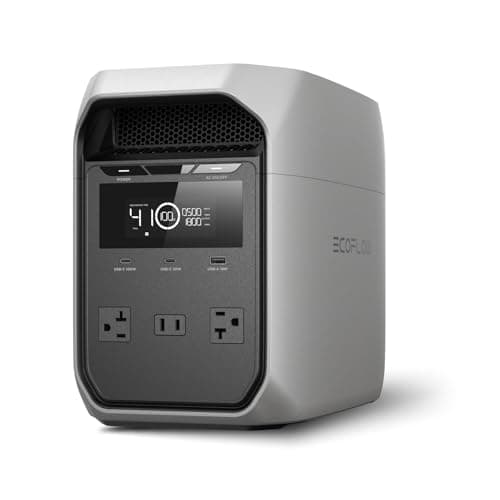 EcoFlow DELTA 3 Classic The best-value battery on the site: UPS-grade switchover, 1,800 W and a 45-minute recharge for roughly half what the 2 kWh units cost. | Best value 1 kWh with UPS | 8.6/10 | $499.00 |
| 3 | 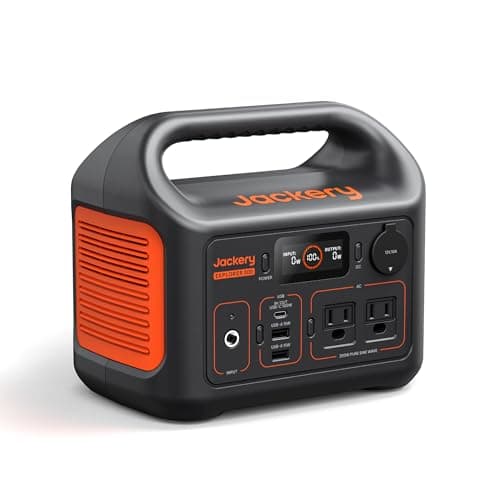 Jackery Explorer 300 Buy this for devices and medical equipment, not appliances — and at 7.5 lb and 4,000 cycles, it is the easiest preparedness purchase on the site. | Phones, laptops, a CPAP | 7.3/10 | $259.00 |
| 4 | 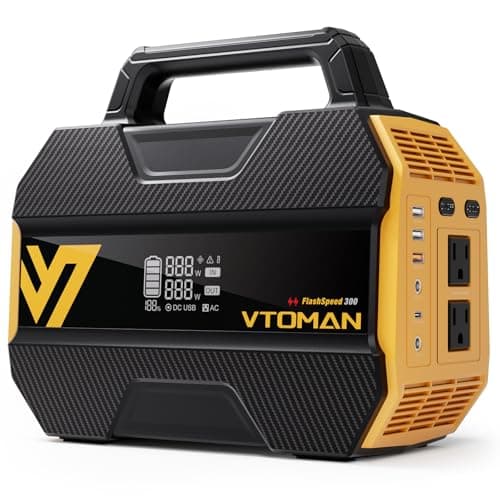 VTOMAN FlashSpeed 300 Worth choosing over similar budget units for one reason: it recharges from ordinary USB-C, which makes it genuinely useful away from a wall outlet. | USB-C recharging anywhere | 6.5/10 | $149.99 |
| 5 | 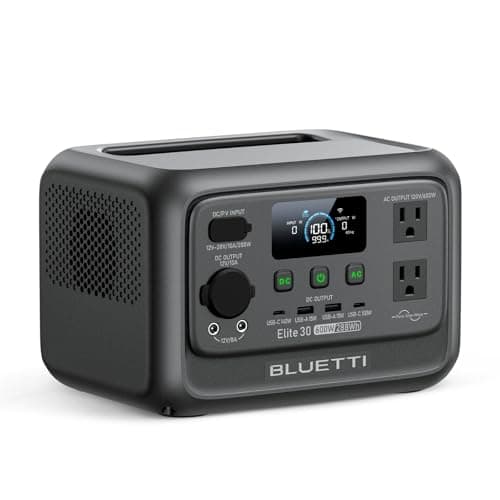 Bluetti Elite 30 V2 The small power station with genuinely useful output, as long as you understand 288 Wh means that output lasts minutes, not hours. | Highest output of the small units | 7.0/10 | $249.99 |
#ad Prices as of October 5, 2026; they may have changed since. Scores are our editorial judgment from published specifications, not test results — how we pick. How we are funded.
What not to buy as a gift
- A generator, unless you have specifically discussed it. It needs a transfer switch or interlock kit installed by an electrician to be genuinely useful, it needs fuel stored, it needs maintenance, and the recipient needs to want it. A surprise generator is a surprise project.
- A transfer switch or interlock kit. These must match the recipient's exact panel brand, amperage and breaker spacing. Buying the wrong one is nearly certain, and it is licensed installation work besides.
- A cord without knowing their generator. L14-30 and L5-30 look similar and are not interchangeable; 30 A and 50 A connectors are different again.
- Solar panels alone. They need a compatible power station, and input limits vary — Bluetti's AC180 caps at 500 W where EcoFlow's DELTA 2 Max accepts 1,000 W.
If the recipient already owns a generator, generator owner gift ideas is the more specific list.
Questions people actually ask
What is a good emergency preparedness gift under $50?
A battery-powered carbon monoxide alarm at around twenty dollars is the highest-value item — most houses only have a plug-in alarm, which is dead during the outage when it matters. For someone who already owns a generator, fuel stabilizer or a spill-proof fuel can are both genuinely useful.
Is a power station a good gift?
Yes, if you match the size to the recipient's actual worry. Under $200 buys a unit for phones, lights and a CPAP. To run a refrigerator you need 1-2 kWh and a surge rating of about 3,000 watts, which is a $500-900 purchase. A small unit bought to solve a fridge problem will disappoint.
Should I buy someone a generator as a gift?
Generally not, unless you have discussed it. A generator needs a transfer switch or interlock kit installed by an electrician to be properly useful, plus fuel storage and maintenance. It is a project rather than a present, and the recipient needs to have chosen it.
What should I look for in a power station as a gift?
LiFePO4 chemistry for long cycle life, a surge rating that matches what they want to run (about 3,000 watts for a refrigerator), and a recharge method they already have — a unit that recharges over standard USB-C has no proprietary brick to lose.
Can I buy a transfer switch or cord as a gift?
Not safely without knowing their equipment. Interlock kits must match the exact panel brand, amperage and breaker spacing; cords must match both the generator's outlet and the house inlet, and L14-30 and L5-30 connectors look similar but are not interchangeable.
Sources
- STA-BIL Storage Fuel Stabilizer — manufacturer listingThe stored-fuel shelf-life claim referenced in the under-$50 section.
- US Consumer Product Safety Commission — Portable Generator Information CenterThe placement, never-indoors and CO-alarm guidance this site repeats on every generator page.
Read next
Best Gifts for Generator Owners
Gifts for Someone Who Owns a Generator
Accessories and consumables for a generator owner, organized by what you need to know about their machine first.
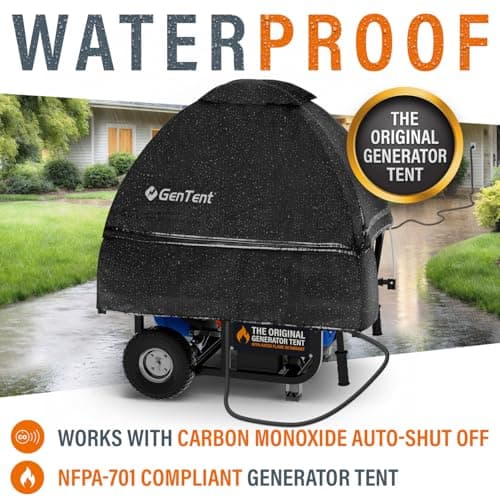
Top pick · GenTent Universal Open Frame Generator Tent
$159.99View on Amazon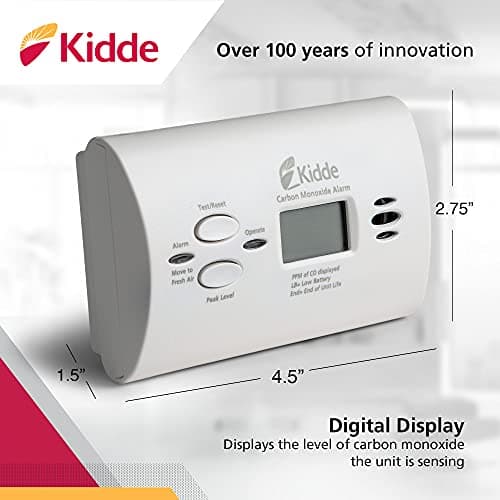
Guide
Generator Carbon Monoxide Safety
The CPSC placement rules, why a garage with the door open is still unsafe, and the battery CO alarm that should be your first purchase.
Best Budget Pick
Best Budget Power Stations
Budget power stations worth owning, with honest limits on what 300 watts of output can do.
Top pick · EcoFlow DELTA 3 Classic
$499.00View on Amazon11% off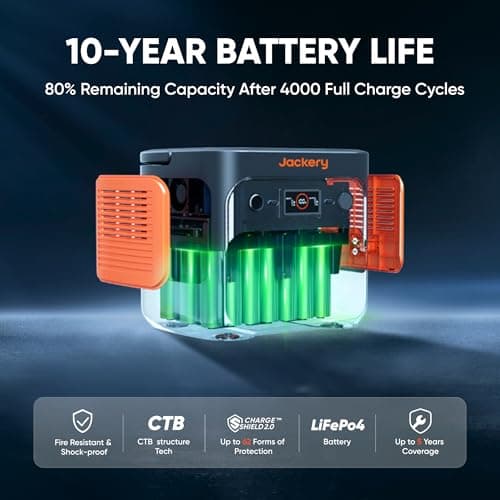
Best Overall Power Station
The Best Home Backup Power Stations
Battery power stations ranked for home backup on surge, capacity, recharge speed and cycle life.
Top pick · Jackery Explorer 2000 v2
$898.99View on Amazon10% off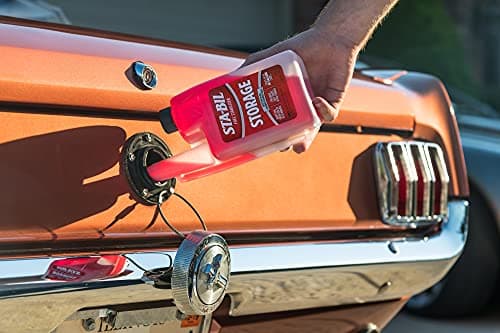
Guide
Generator Fuel Storage and Stabilizer
Fuel degradation, stabilizer shelf-life claims, safe storage quantities and containers, and the propane alternative.