Generator Sizing
Generator Size for a Refrigerator and Deep Freezer
The running load is small. The start-up surge is the whole problem, and it is why so many undersized generators trip.
Written byMike M.
Published
Disclosure: we earn a commission on purchases made through links on this page, at no cost to you. It does not affect what we recommend or what we say about it — how we are funded.
The short answer
A refrigerator and a deep freezer together need roughly 1,400 running watts and about 3,600 starting watts, using EWEB's published 700 running / 2,200 additional-starting figure for each. You add only one 2,200 watt surge, not two, because the compressors will not start in the same instant. After an 80% derating that is a generator with at least 1,750 running watts and 3,600 peak watts — or a battery power station with a 3,000 watt surge rating.
This is the most common single reason people buy backup power, and it is also the load most often oversized. The running draw is genuinely small. Compressors cycle — a modern fridge is off most of the time — so average consumption is well under the running figure. What makes it awkward is the surge.
The arithmetic, done properly
Fridge plus chest freezer
- Refrigerator, running
- 700 W
- Deep freezer, running
- 700 W
- Total running
- 1,400 W
- Largest single surge
- +2,200 W
- Starting watts needed
- 3,600 W
- Derated running minimum
- 1,750 W
EWEB lists refrigerator and freezer as one category at 700 W running and 2,200 W additional starting, so we apply it to each appliance. Champion's chart puts a refrigerator at 400 W running with the same 2,200 W surge — we use the higher running figure.
Only one surge counts. If you added both you would get 5,800 starting watts and conclude you needed a much larger machine, which is the mistake the published method exists to prevent.
Why this load favors a battery
1,750 running watts with a 3,600 watt surge requirement is squarely in battery territory, and for this specific load a battery is better in almost every way that matters:
- It runs indoors. No carbon monoxide risk, no 20-foot placement rule, no cord through a window.
- It is silent, which matters at 3am.
- No fuel. Nothing stored in the garage, nothing to go stale, nothing to refuel in a storm.
- UPS switchover. Several units transfer in under 10 ms, so the fridge never actually loses power — the compressor does not even restart, which removes the surge problem entirely.
That last point is the one people miss. A generator means the fridge stops, warms slightly, and then has to restart its compressor against a cold generator. A battery on UPS duty means the fridge never notices the outage happened.
What capacity buys you, with our arithmetic shown
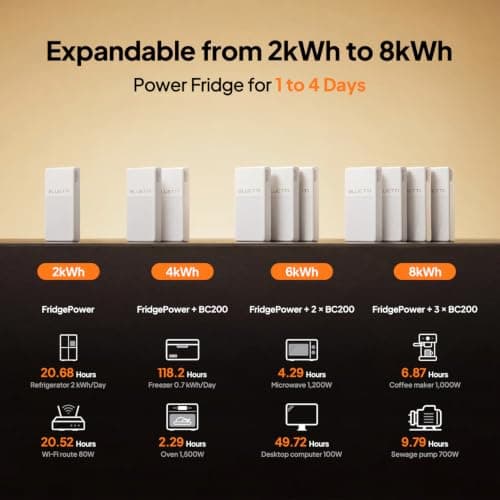
- 1,024 Wh battery
- ~15-20 h of fridge cycling
- 2,042 Wh battery
- ~30-40 h of fridge cycling
- Fridge + freezer, 2,042 Wh
- ~15-20 h
Our calculation, not a manufacturer claim: usable watt-hours divided by an average cycling draw of roughly 150 W per appliance, derated about 12% for inverter loss. A real fridge's average depends on its age, its contents and how often the door opens.
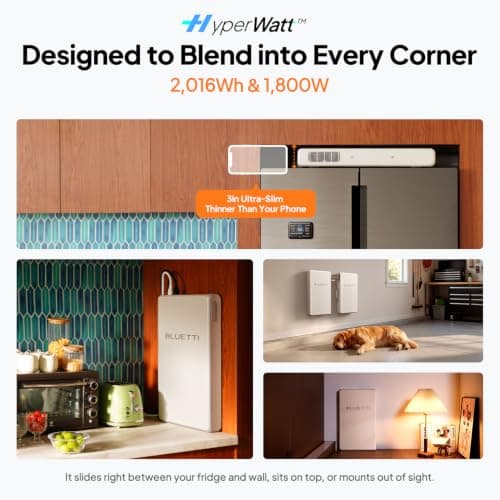
Worth noting that one manufacturer has built a unit specifically for this: Bluetti's FridgePower publishes a 4 watt standby draw, a 10 ms UPS switchover, a 75 mm slim case designed to sit behind a fridge, and a storm alert that fast-charges itself before weather arrives. For this one job that is a better-engineered answer than a general-purpose box.
The short answer
Picks for this load, battery first
| # | Product | Best for | Score | Price |
|---|---|---|---|---|
| 1 | 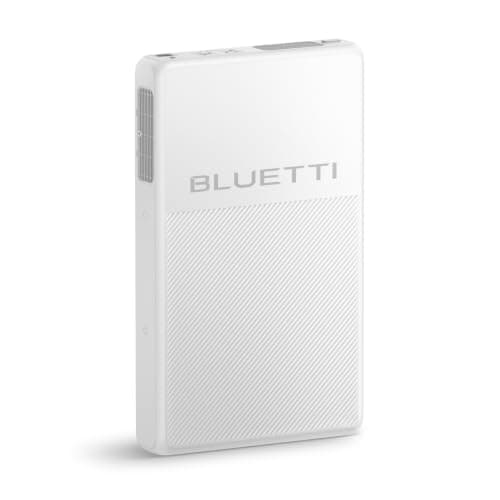 Bluetti FridgePower If the problem you are solving is specifically the refrigerator, this is the unit designed for that problem — the 4 W standby and storm auto-charge are genuine engineering answers to it. | Purpose-built refrigerator backup | 9.0/10 | $899.00 |
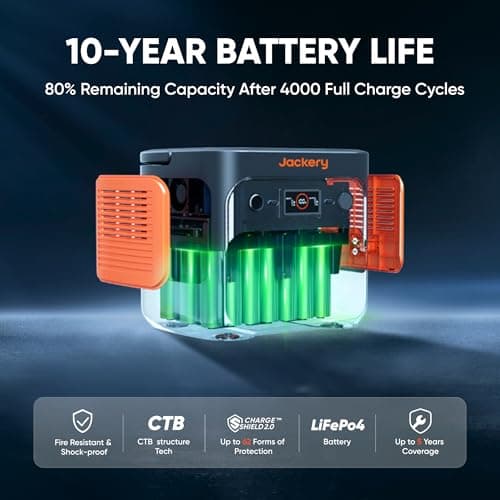
| 2 | 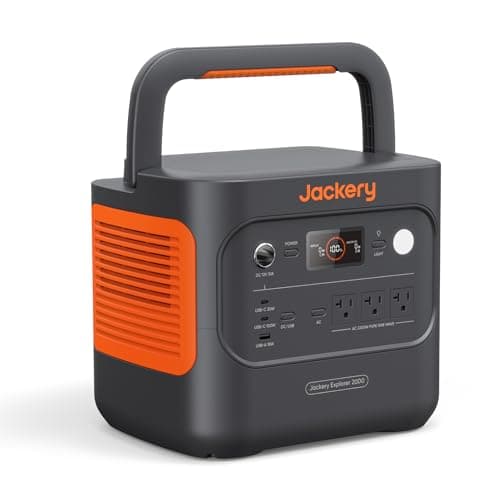 Jackery Explorer 2000 v2 The most sensible battery backup for most homes: enough capacity to carry a fridge and electronics through a typical outage, indoors, silently. | The default 2 kWh home backup battery | 8.9/10 | $898.99 |
| 3 | 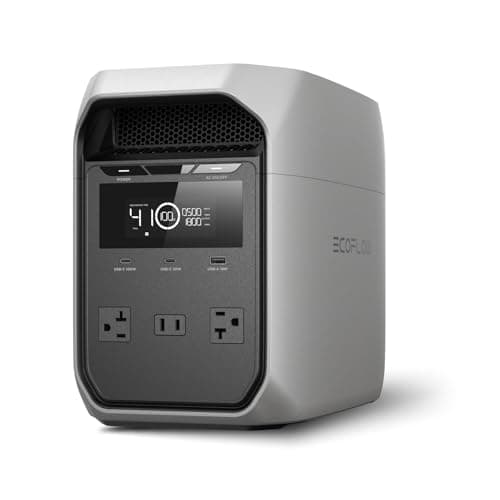 EcoFlow DELTA 3 Classic The best-value battery on the site: UPS-grade switchover, 1,800 W and a 45-minute recharge for roughly half what the 2 kWh units cost. | Best value 1 kWh with UPS | 8.6/10 | $499.00 |
| 4 | 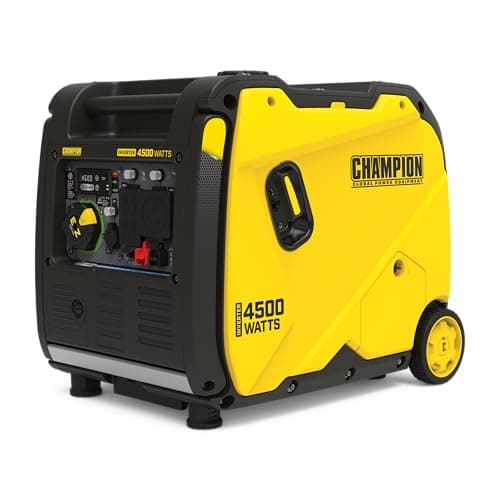 Champion 4,500W RV Ready Inverter The best balance of quiet, clean power and real output for cord-based backup: enough for the essentials, under 3% THD, half the price of the Honda equivalent. | Quiet backup at a sane price | 8.5/10 | $674.10 |
#ad Prices as of October 5, 2026; they may have changed since. Scores are our editorial judgment from published specifications, not test results — how we pick. How we are funded.
When a generator is still the right answer
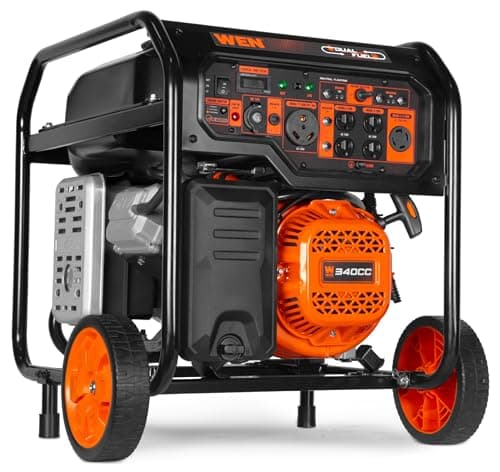
If your outages run for days rather than hours, a battery runs out and a generator does not. If you have other loads — a furnace blower, a well pump, a sump pump — you are buying a generator anyway and the fridge comes along for free. And if the budget is tight, a 3,500 running-watt inverter generator costs less than a 2 kWh battery and runs the fridge, the freezer and a good deal more.
The decision hinges on outage length and on whether there are motor loads beyond the fridge. Portable power station vs generator works it through both ways.
What to do before you buy anything
Two things, both free. First, read the nameplate on your actual fridge and freezer — the published chart figures are typical, and your appliances may be considerably lower if they are recent. Second, understand how long you have without any backup at all: FoodSafety.gov's guidance is about 4 hours for a refrigerator and about 48 hours for a full freezer, unopened. If your outages are routinely under four hours, you may not need to buy anything.
If they are longer, see how long food lasts in a power outage for what to do in the meantime, and keep your refrigerator running for the full problem-first version of this page.
Questions people actually ask
What size generator do I need for a refrigerator and a deep freezer?
About 1,750 running watts after derating, with at least 3,600 starting watts. The running load is only 1,400 watts for both; the binding constraint is the 2,200 watt compressor surge, and you count only one of them because the two will not start together.
Can a 2000 watt generator run a fridge and a freezer?
Only if its peak rating covers the 2,200 watt surge, which many 2,000 watt machines do not. Check the peak or surge figure. A machine with 2,000 running watts and 2,500 peak watts will struggle to start a compressor while already carrying another load.
Will a power station run a refrigerator and a freezer?
Yes, if its surge rating is 3,000 watts or more. A 2,042 Wh unit works out at roughly 15-20 hours for both appliances on our arithmetic. A unit with UPS switchover is better still, because the compressors never stop and never have to restart.
Do I add the starting watts for both the fridge and the freezer?
No. Add only the single largest additional surge — one 2,200 watt figure, not two. Both published charts specify this, and the reason is simply that two compressors will not begin their start cycle in the same instant.
How long will food last without any backup power?
FoodSafety.gov's guidance is about 4 hours in an unopened refrigerator and about 48 hours in a full freezer (24 hours if half full). Keeping the doors shut is the single most effective free measure, and it means short outages may need no equipment at all.
Sources
- Eugene Water & Electric Board — Generator Sizing ConsiderationsPublic-utility wattage chart: the running and additional-starting figures quoted on this page, and the add-the-single-largest-surge method.
- Champion Power Equipment — Quick Reference WattageManufacturer wattage chart: the second published figure wherever it differs from EWEB's, and the kitchen and laundry loads EWEB does not list.
- FoodSafety.gov — food safety during a power outageThe 4-hour refrigerator and 48-hour full-freezer figures quoted at the end of this page.
Read next
Guide
Keep Your Refrigerator Running Through an Outage
The free measures first, then battery and generator options for a refrigerator, with published wattage and food-safety figures.
Best for a Refrigerator
Best Power Station for a Refrigerator
Power stations that reliably start a fridge compressor, ranked on surge, idle draw and UPS switchover.
Top pick · Bluetti FridgePower
$899.00View on Amazon40% off
Guide
How Long Will a Power Station Run a Fridge?
The runtime calculation shown in full, the manufacturer claims, and why a cycling fridge lasts far longer than its running watts suggest.
Battery vs Engine
Portable Power Station vs Generator
Battery against generator on surge capability, runtime, placement and cost, with the two facts that decide it.
Reference
Appliance Wattage Chart
The site's reference wattage table, with each row's source named and both figures shown wherever the published charts disagree.