Comparisons
Portable vs Standby Generator
Automatic and permanent against cheaper and movable. At the top of the portable range the price gap narrows more than people expect.
Written byMike M.
Published
Disclosure: we earn a commission on purchases made through links on this page, at no cost to you. It does not affect what we recommend or what we say about it — how we are funded.
The short answer
A standby generator is permanently installed, plumbed to natural gas or propane, and starts itself when the power fails — nobody has to be home. A portable costs far less, can be moved and used elsewhere, and requires someone to start it, site it 20 feet from the house and manage the load. The question that decides it: does anyone need to be home for your backup power to work? If no, standby. At the very top of the portable range — a 16,000 or 28,000 watt machine — the price gap narrows enough that the comparison is worth running honestly.
The comparison
| Portable | Standby | |
|---|---|---|
| Starts itself | No | Yes |
| Needs someone home | Yes | No |
| Fuel | Gasoline, propane, or NG via tri-fuel | Plumbed NG or a large LP tank |
| Placement | 20 ft from house, every time | Permanent pad, installed once |
| Carbon monoxide risk | Depends on correct placement each use | Fixed, engineered placement |
| Noise | 52-74 dBA published | Enclosed, generally lower |
| Cost | Far lower | Far higher, installed |
| Portable use elsewhere | Yes | No |
What standby genuinely buys you
Automatic operation. This is the whole proposition. The utility fails, the generator starts, the transfer switch moves the load, and the house comes back — with nobody present. Generac's 200 amp automatic transfer switch publishes exactly that: continuous utility monitoring with automatic transfer of the entire 200 amp load.
Engineered placement. The carbon monoxide risk with a portable is a function of where you put it each time, which is a decision made in a hurry in bad weather. A standby generator's placement was decided once, by an installer, to code.
No fuel logistics. Plumbed to natural gas, it does not run out and nobody refuels it. That removes the single most hazardous routine moment in portable generator ownership.
Whole-panel coverage, removing the essential-circuit rationing entirely.
What portable buys you
Cost, overwhelmingly. A 9,500 running-watt dual fuel portable plus a transfer switch installation is a fraction of a standby system.
Flexibility. It goes to a job site, a campsite, a relative's house, or moves with you. A standby unit is part of the property.
Serviceability. An open-frame portable can be maintained in a driveway with ordinary tools. A standby unit generally means a service contract.
No major installation. A transfer switch install is a day's work; a standby installation involves a concrete pad, a gas connection and sometimes a service upgrade.
Where the gap narrows — the honest bit
At the very top of the portable range, the arithmetic changes and most comparisons do not say so.
The large portables worth comparing against standby
- DuroMax XP16000iH
- 13,000 W running, 368 lb
- Westinghouse WGen14500TFc
- 18,000 W peak, V-twin, tri-fuel
- DuroMax XP15000HX
- 15,000 W peak, 345 lb
Manufacturer published figures. At 345-368 lb these are permanently positioned in practice, which removes the portability advantage — and their prices are in standby territory while still requiring someone to start them.
A 368 lb generator is not portable in any useful sense: it gets wheeled into position once and stays there. So at that end of the range you are paying standby-adjacent money for a machine with none of standby's automation, and the honest advice is to get a standby quote before committing.
The middle path most people should consider
A tri-fuel portable on a natural gas line. It is not automatic — someone still starts it — but it takes the single biggest advantage of standby, the plumbed fuel supply that never runs out, and attaches it to a portable's price.
Champion's 12,500 W tri-fuel includes both hoses and publishes all three fuels' output. Westinghouse's WGen11500TFc publishes the best natural gas figure at 9,500 running watts. Generac's tri-fuel describes virtually unlimited runtime on a gas line and is the value option.
The house-side gas connection is licensed work and must be arranged in advance either way — so you are already doing part of what a standby installation requires, at a fraction of the cost.
The short answer
Tri-fuel portables, and the automatic switch a standby system uses
| # | Product | Best for | Score | Price |
|---|---|---|---|---|
| 1 | 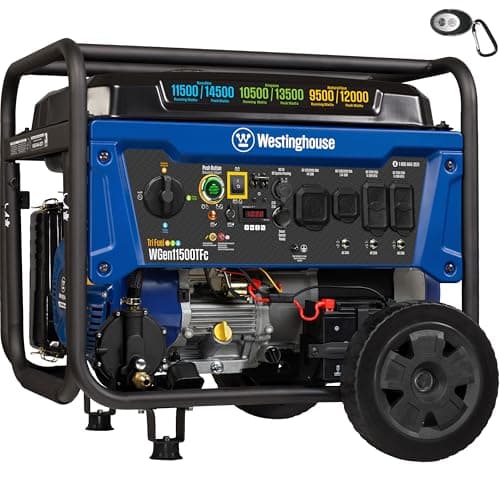 Westinghouse WGen11500TFc 14,500W Tri-Fuel Buy this when the sizing math genuinely lands above 10,000 running watts — not because bigger feels safer. | Larger homes with real 240V loads | 8.9/10 | $1,499.00 |
| 2 | 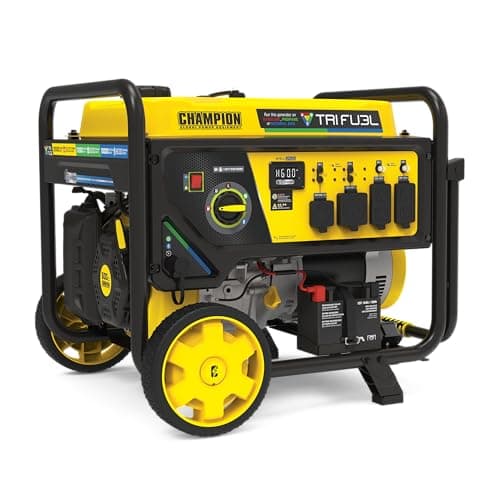 Champion 12,500W Tri-Fuel Home Backup The most complete tri-fuel package on the shelf: three fuels, both hoses, every output figure published, CO shutdown included. | Tri-fuel with both hoses in the box | 9.0/10 | $1,259.99 |
| 3 | 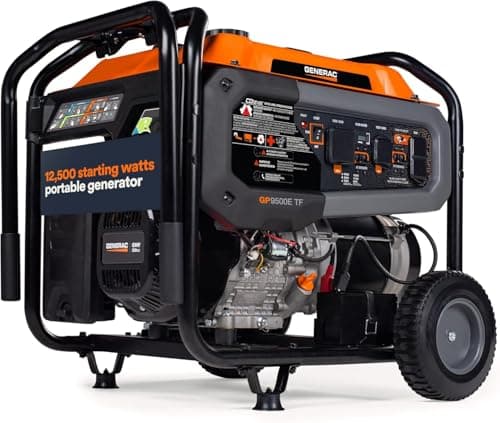 Generac 12,500W Starting Tri-Fuel The cheapest credible way to get a generator onto your home's natural gas line, which is the one fuel supply an outage usually does not interrupt. | Natural-gas hookup at the best price | 9.1/10 | $920.00 |
| 4 | 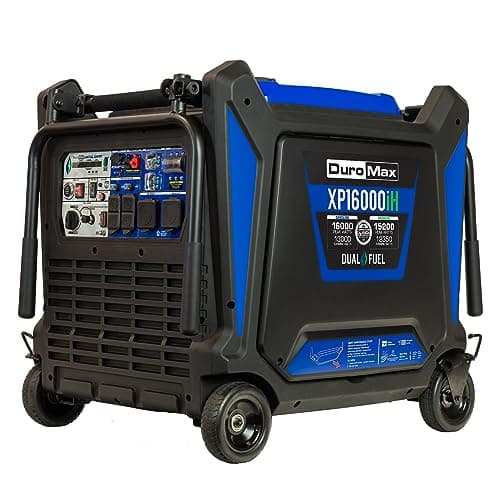 DuroMax XP16000iH 16,000W Dual Fuel Inverter At this price and weight, compare it honestly against a permanently installed automatic standby generator rather than against other portables. | Maximum inverter output | 7.6/10 | $4,866.50 |
| 5 | 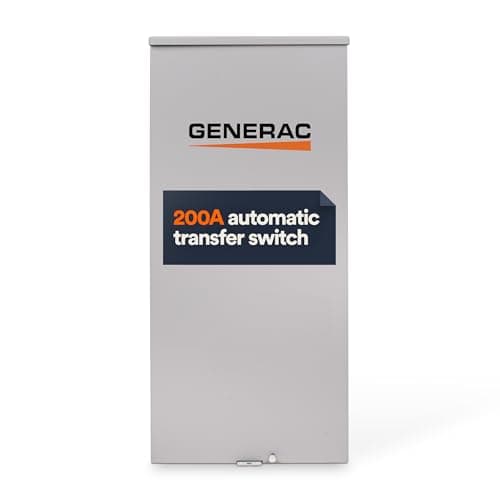 Generac 200A Next Gen Automatic Transfer Switch Listed here for completeness and comparison: this belongs to a permanently installed standby system, not a portable generator plan. | Whole-panel automatic transfer | 7.0/10 | $789.00 |
#ad Prices as of October 5, 2026; they may have changed since. Scores are our editorial judgment from published specifications, not test results — how we pick. How we are funded.
The question that decides it
Does anyone need to be home for your backup power to work?
If the answer is no — because of medical equipment, a sump pump in a storm, a property you are not always at, or simply because nobody wants to go out at 3am — then automation is the feature you are buying, and only a standby system provides it. Nothing else on this site does.
If the answer is yes, a correctly sized portable with a proper transfer switch does the same job for far less money, and a tri-fuel machine on a gas line closes most of the remaining gap.
Questions people actually ask
Is a standby generator worth it over a portable?
If nobody can be relied on to be home when an outage happens, yes — automatic operation is the feature you are buying and no portable provides it. Otherwise a correctly sized portable with a transfer switch does the same job for a fraction of the cost.
What is the main advantage of a standby generator?
It starts itself. The utility fails, the generator starts, an automatic transfer switch moves the load, and the house comes back with nobody present. It also has engineered placement, so the carbon monoxide risk is not a decision you make in a hurry each time.
Can a portable generator power a whole house?
Through a 50 amp transfer switch, a 9,500 to 11,500 running-watt machine covers every essential circuit and usually a window air conditioner. What it cannot do is start itself or run without someone siting it correctly and managing the load.
When does a portable generator stop making sense?
At the top of the range. A 345 to 368 lb machine is permanently positioned in practice, so the portability advantage is gone, and the price is in standby territory while still requiring someone to start it. Get a standby quote before committing at that level.
Is a tri-fuel portable a good alternative to standby?
It is the best middle path. A plumbed natural gas supply never runs out, which is standby's single biggest advantage, attached to a portable's price. It is still not automatic — someone starts it — and the gas connection is licensed work arranged in advance.
Can I use an automatic transfer switch with a portable generator?
You can wire one, but it defeats the purpose: the switch transfers automatically and the generator still needs starting by hand, so you pay for automation you cannot use. A manual switch is the right pairing for a portable.
Sources
- US Consumer Product Safety Commission — Portable Generator Information CenterThe placement and carbon monoxide guidance referenced wherever this page compares indoor and outdoor operation.
- Eugene Water & Electric Board — Generator Sizing ConsiderationsPublished appliance running and additional-starting watt figures used in the load arithmetic on this page.
Read next
Whole-House Option
The Best Whole House Transfer Switches
Whole-house and automatic transfer switches, what they actually do, and why a 50A manual switch is usually the right answer for a portable generator.
Top pick · Generac 200A Next Gen Automatic Transfer Switch
$789.00View on Amazon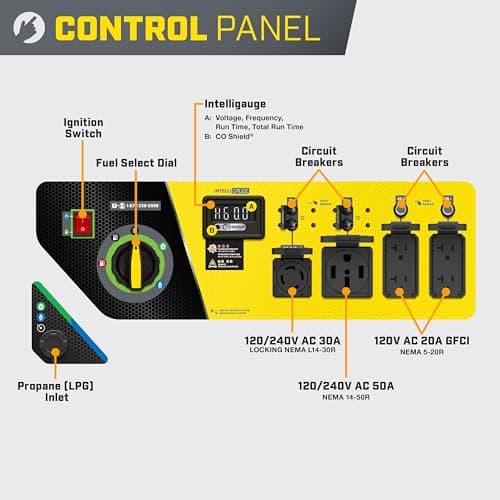
Best Tri-Fuel
Best Tri-Fuel Generators
Tri-fuel generators with all three fuels' published running watts, and the natural gas derating stated plainly.
Top pick · Champion 12,500W Tri-Fuel Home Backup
$1,259.99View on Amazon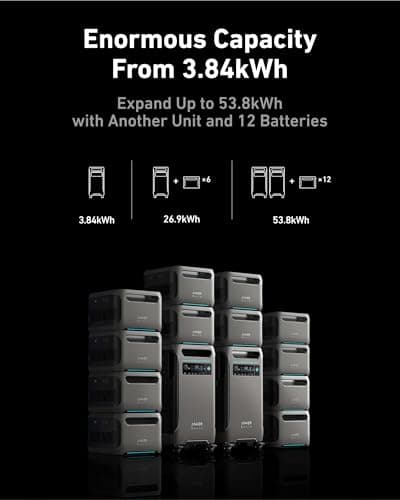
Comparison
Home Battery Backup vs Generator
Installed home battery systems against generators, and the expandable portable units that sit between them.
Best 10,000W Class
Best 10,000 Watt Portable Generators
The 10,000 watt class ranked on real running watts, with the 50 amp connection requirement explained.
Top pick · Westinghouse WGen10500DFc 13,500W Dual Fuel
$1,099.00View on Amazon
Guide
What a Home Backup Generator Costs
The variables that drive generator price, the connection cost people forget, and where the money is best spent.