Transfer Switches & Connection
Are Generator Interlock Kits Legal?
Yes, as a method. The real question is whether your inspector accepts a third-party plate on your panel.
Written byMike M.
Published
Disclosure: we earn a commission on purchases made through links on this page, at no cost to you. It does not affect what we recommend or what we say about it — how we are funded.
The short answer
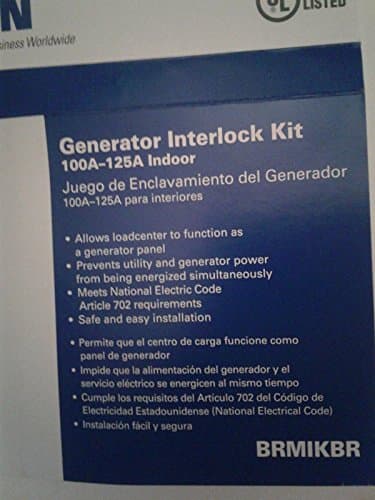
Mechanical interlocks are a recognized method of preventing a generator and the utility from energizing a panel simultaneously — Eaton's own BRMIKBR kit states that it meets National Electrical Code Article 702 requirements. What varies locally is whether your inspector accepts a third-party interlock plate or requires the panel manufacturer's listed kit. That is a question for your authority having jurisdiction, and the time to ask is before you order.
This question gets answered badly on both sides — people are told interlocks are illegal (they are not) or that any plate will pass (it may not). The accurate answer has two parts.
Part one: the method is recognized
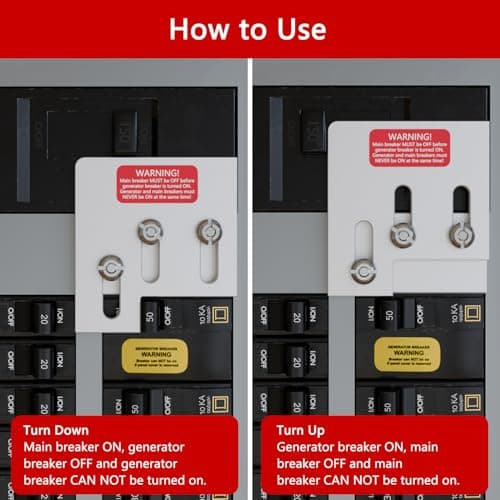
An interlock's purpose is to make it mechanically impossible for the main breaker and a generator breaker to be on at the same time, which is exactly what the code requires of an optional standby system. Eaton's BRMIKBR listing states it plainly: it allows the load center to function as a generator panel, prevents the utility and generator panel from being energized simultaneously, and meets National Electrical Code Article 702 requirements.
NEC Article 702 covers optional standby systems — the category a home generator falls into. A manufacturer stating compliance with it for its own listed accessory on its own panel is about as settled as this gets.
Part two: acceptance of third-party plates varies
Most interlock kits sold are not made by the panel manufacturer. The SPZOCE, XMK and EXCELFU plates in our registry are third-party parts designed to fit Square D, Eaton and Siemens panels.
Some inspectors accept these readily. Others take the position that an accessory altering a listed panel should itself be listed for that panel, and want the factory kit. Both positions are defensible, and which one applies to you is a local question.
How to find out, in order
- 1. Ask your electrician
- They know your inspector
- 2. Call the building department
- Ask about interlock acceptance
- 3. Check the factory kit exists
- Not every panel has one
- 4. Then order
- Not before
Step 1 answers it in most cases, free, in one phone call. Your electrician does this work locally and knows what passes.
The short answer
Quick picks
| # | Product | Best for | Score | Price |
|---|---|---|---|---|
| 1 | 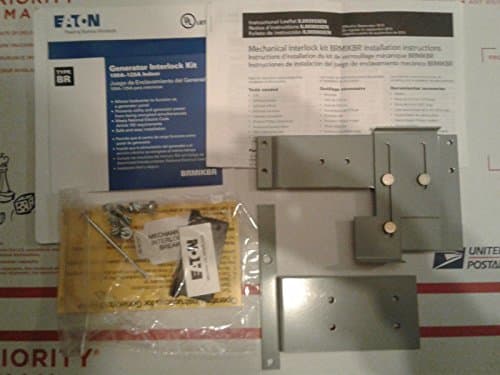 Eaton BRMIKBR Factory Interlock Kit 100-125A Pay the premium for this one: a factory interlock with a stated NEC Article 702 basis removes both the fit risk and the inspection risk. | Factory kit that satisfies inspectors | 8.9/10 | $84.00 |
| 2 | 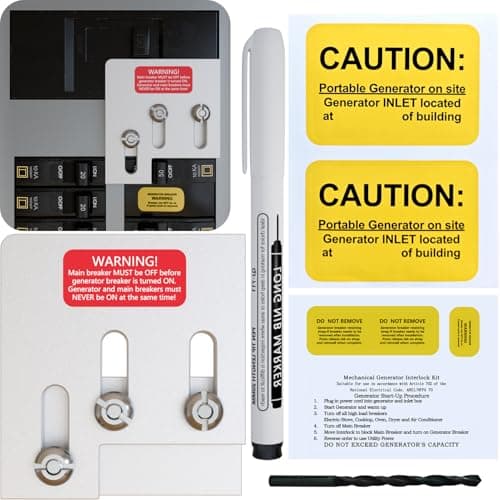 SPZOCE Interlock Kit — Square D QO/Homeline 150/200A The cheapest correct way to connect a generator to the whole panel, provided your panel is a Square D QO or Homeline with the exact spacing stated — measure first. | Square D QO and Homeline, 150-200A | 8.5/10 | $26.99 |
| 3 | 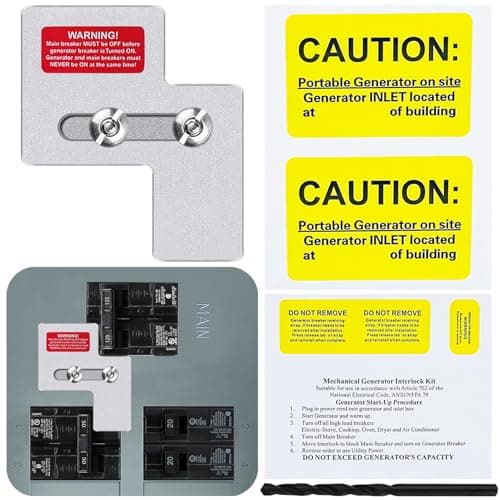 XMK Interlock Kit — Siemens/Murray 100A The best-documented interlock kit here on the question that actually matters — it tells you the spacing for both Siemens neutral variants. | 100A Siemens, both neutral types | 8.3/10 | $19.99 |
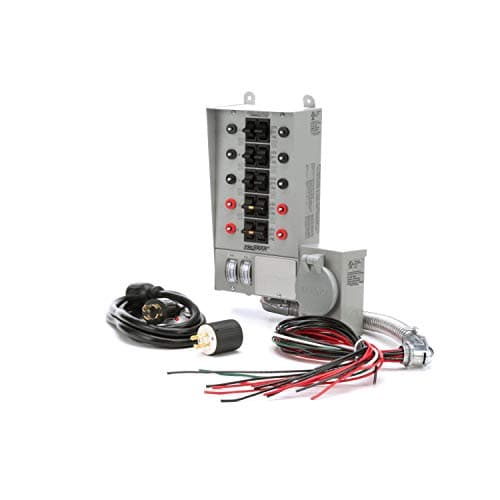
| 4 | 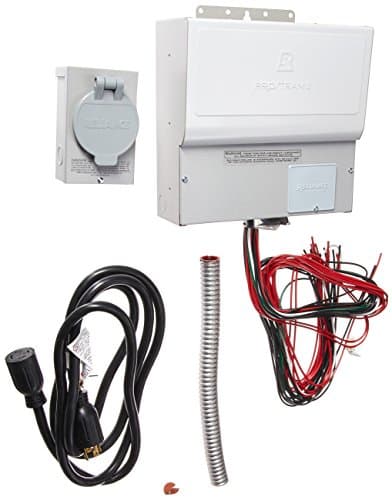 Reliance Controls 310CRK 10-Circuit 30A Kit The standard answer for connecting a portable generator properly: ten circuits, 30 A, from the brand electricians recognize. | The ten-circuit default | 8.6/10 | $474.76 |
#ad Prices as of October 5, 2026; they may have changed since. Scores are our editorial judgment from published specifications, not test results — how we pick. How we are funded.
What is unambiguously not legal
If cost is the reason someone is considering back-feeding, the interlock kit is the answer to that concern. It is the cheapest compliant connection available. More: backfeeding dangers.
What a compliant interlock installation involves
The plate is the cheap part and the visible part. The job also includes:
- 1A generator inlet breaker added to the panel, correctly sized for the generator and the feeder.
- 2An inlet box on an exterior wall, with the feeder run to the panel.
- 3The plate itself, drilled and fitted to the panel cover — which is why the kits include a 3/16-inch drill bit.
- 4A permit and an inspection, in most jurisdictions.
- 5Labeling, which is why the kits include a start-up procedure label and reusable breaker labels.
All of it is licensed electrical work. The cost saving against a transfer switch is real but it is in the hardware, not the labor — the electrician's time is similar either way.
If the answer is "factory kit only"
Two routes. If a factory interlock exists for your panel, buy it — Eaton's BRMIKBR for Type BR 100-125 A panels is the example in our registry, and it removes the fit risk as well as the inspection risk.
If no factory kit exists for your panel, a transfer switch is the route instead. It costs more in hardware and it is a product nobody argues about — Champion's 50 amp unit publishes UL 1008 certification, the standard specific to transfer switch equipment.
This page describes what manufacturers publish about code compliance and how acceptance varies. It is not legal or code advice, and your authority having jurisdiction is the only authority on your installation.
Questions people actually ask
Are generator interlock kits legal?
Mechanical interlocks are a recognized method, and Eaton's own BRMIKBR kit states that it meets National Electrical Code Article 702 requirements. What varies locally is whether your inspector accepts a third-party plate or requires the panel manufacturer's listed kit.
Will an inspector accept a third-party interlock kit?
Often, but not always. Some inspectors take the position that an accessory altering a listed panel should itself be listed for that panel. Ask your electrician, who knows your local inspector, before ordering — it is a free phone call that prevents an expensive mistake.
Do I need a permit for an interlock kit?
In most US jurisdictions, yes. The installation involves adding a generator inlet breaker to your panel and running a feeder from an exterior inlet box, which is permanent wiring on the supply side — licensed work requiring a permit and an inspection.
Is back-feeding through a dryer outlet legal?
No, and it is not a gray area. A double-male cord energizes your entire panel including the utility feed, which can kill a line worker, and leaves live exposed pins on the cord. An interlock plate costs tens of dollars and is the compliant answer to the same cost concern.
Which is more likely to pass inspection, an interlock or a transfer switch?
A transfer switch, because it is a purpose-built listed product that nobody argues about — Champion's 50 amp unit publishes UL 1008 certification, the standard specific to transfer switch equipment. An interlock is cheaper and acceptance depends on your inspector's view of third-party plates.
What does NEC Article 702 cover?
Optional standby systems, which is the category a home generator falls into. Eaton cites it directly on its interlock kit listing as the requirement the kit meets. Your authority having jurisdiction applies the code locally and is the only authority on your specific installation.
Sources
- Eaton BRMIKBR Type BR mechanical interlock kit — manufacturer listingManufacturer statement that the kit meets National Electrical Code Article 702 requirements, quoted wherever this page discusses code basis.
Read next
Best Interlock Kit
The Best Generator Interlock Kits
Interlock kits by panel brand with the published breaker-spacing figures, and the factory kit that removes fit risk.
Top pick · Eaton BRMIKBR Factory Interlock Kit 100-125A
$84.00View on Amazon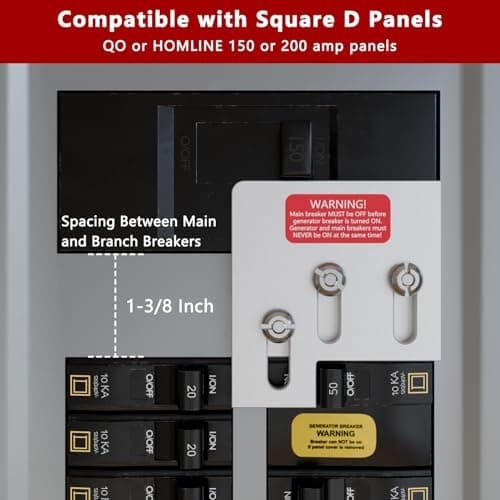
Guide
The Dangers of Back-Feeding a Generator
What back-feeding does electrically, why it is lethal to line workers, and the inexpensive compliant alternatives.
Connection Comparison
Interlock Kit vs Transfer Switch
Interlock kit against transfer switch on cost, circuit access, load management, panel fit and inspection risk.
Reference
Interlock Kit Panel Compatibility
A reference table of published interlock breaker-spacing figures by panel brand and amperage, plus how to identify your panel.
Guide
How Transfer Switch Installation Works
What a transfer switch installation involves, what drives the quote, and the decisions to make before the electrician arrives.