Power Stations
LiFePO4 vs Lithium-Ion
For backup duty this argument is over, and the published cycle figures explain why.
Written byMike M.
Published
Disclosure: we earn a commission on purchases made through links on this page, at no cost to you. It does not affect what we recommend or what we say about it — how we are funded.
The short answer
LiFePO4 (LFP) is the right chemistry for home backup and has effectively won the category. Published cycle claims on the units here run from 3,000 to 10,000 cycles against a few hundred for older lithium-ion chemistries, and LFP is more thermally stable. The trade-off is energy density: an LFP pack is heavier and larger for the same watt-hours, which matters for a phone and not for a box that sits beside your fridge.
Every power station in this site's registry uses LiFePO4, which tells you how settled this is. But the differences between LFP packs are large, and the published cycle claims vary by more than threefold, so the real question is not which chemistry but which LFP implementation.
Why LFP suits backup specifically
| Property | LiFePO4 | Older lithium-ion |
|---|---|---|
| Cycle life (published here) | 3,000-10,000 | Typically a few hundred |
| Thermal stability | Higher | Lower |
| Energy density | Lower — heavier, bigger | Higher |
| Calendar life claims | 10-16 years here | Shorter |
| Cost per Wh | Historically higher, now competitive | — |
The reason the trade favors LFP for backup is that energy density is the specification you care least about here. A backup battery sits in a utility room or beside a refrigerator. Nobody carries it far. Trading weight for a decade of cycle life is an obviously good deal in that context — and an obviously bad one in a phone, which is why phones still use the denser chemistries.
The cycle claims, which vary enormously
| Unit | Published cycle claim | Stated lifespan |
|---|---|---|
| Anker SOLIX S2000 | 10,000 cycles (314Ah LFP) | 15 years |
| Jackery HomePower 2000 Plus v2 | 6,000+ cycles | 16 years |
| Anker SOLIX C1000 Gen 2 | 4,000 cycles to 80%+ | 10 years |
| Jackery Explorer 300 | 4,000+ cycles to 70% | — |
| EcoFlow DELTA 2 Max | 3,000 cycles to 80% | 10+ years |
| Bluetti AC200PL | 3,000+ cycles | ~10 years |
Two things worth extracting from that. First, the end-of-life threshold differs: Jackery's Explorer 300 states 4,000+ cycles to 70% capacity while Anker's C1000 states 4,000 cycles to at least 80%. Those are not the same claim, and the second is the stronger one.
Second, how much cycle life you need depends entirely on use. A backup battery cycled a handful of times a year will never reach 3,000 cycles — at ten cycles a year that is three centuries. The figure only becomes the dominant cost factor if you cycle it daily, for solar self-consumption or off-grid living.
So when does the difference matter?
Cycles you will actually use
- Pure outage backup
- ~5-20 cycles/year
- Backup plus camping
- ~30-60 cycles/year
- Daily solar self-consumption
- ~365 cycles/year
- Off-grid primary
- 365+ cycles/year
Our estimate of use patterns, not a published figure. At the top two rows any LFP pack here outlives the electronics around it; at the bottom two, 10,000 cycles versus 3,000 is the difference between 27 years and 8.
If you are buying purely for outages, do not pay a premium for 10,000 cycles — spend it on surge rating, UPS switchover or a lower idle draw instead, all of which affect whether the unit does its job. If you will cycle it daily, cycle life becomes the most important number on the spec sheet.
The practical LFP characteristics worth knowing
- Cold charging. LFP cells should not be charged below freezing without a heater, and most units' battery management systems prevent it. If the unit will live in an unheated garage in winter, check whether it has low-temperature charge protection or heating.
- Storage charge level. LFP is tolerant of sitting at full charge, which is exactly what a backup unit needs. Older chemistries degrade faster held at 100%.
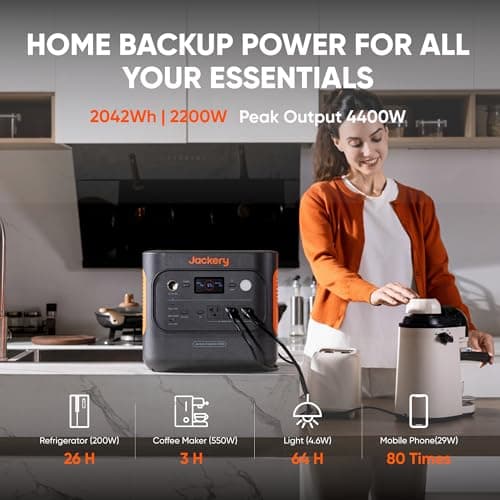
- Weight. Compare published weights per watt-hour: Jackery's Explorer 2000 v2 at 39.5 lb for 2,042 Wh against Bluetti's AC200PL at 72 lb for 2,304 Wh is a large difference between two LFP packs.
The short answer
Units with the strongest published cycle claims
| # | Product | Best for | Score | Price |
|---|---|---|---|---|
| 1 | 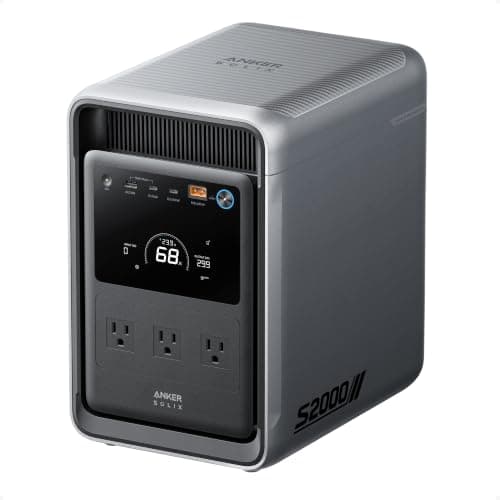 Anker SOLIX S2000 The endurance choice: the lowest idle draw and the longest cycle life here, with an output ceiling deliberately traded away to get them. | Longest fridge runtime per watt-hour | 8.7/10 | $679.99 |
| 2 | 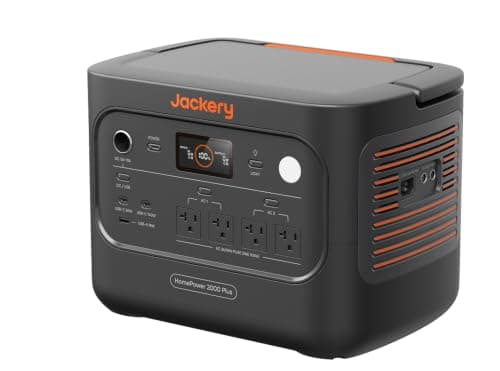 Jackery HomePower 2000 Plus v2 The right battery if you intend to grow the system: start at 2 kWh, add capacity as budget allows, and keep the same hardware. | Expandable whole-circuit backup | 8.7/10 | $1,069.00 |
| 3 | 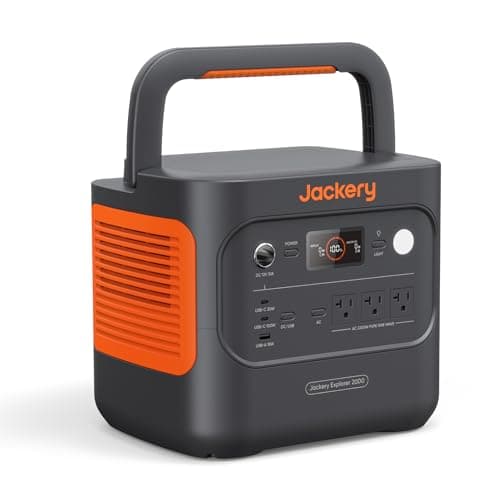 Jackery Explorer 2000 v2 The most sensible battery backup for most homes: enough capacity to carry a fridge and electronics through a typical outage, indoors, silently. | The default 2 kWh home backup battery | 8.9/10 | $898.99 |
| 4 | 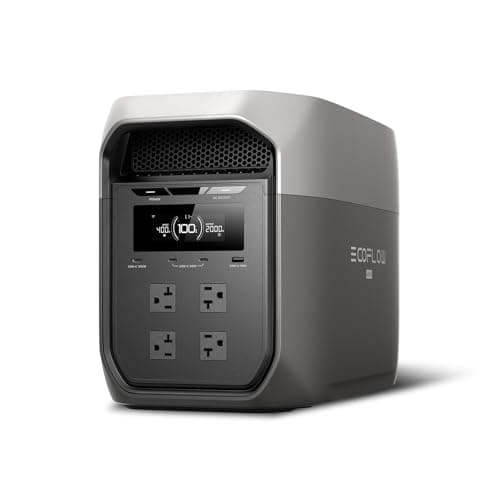 EcoFlow DELTA 3 Max The best battery here for keeping specific things running without interruption — the sub-10 ms transfer is a real functional difference, not a spec-sheet flourish. | UPS-grade switchover for a fridge | 8.8/10 | $879.00 |
| 5 | 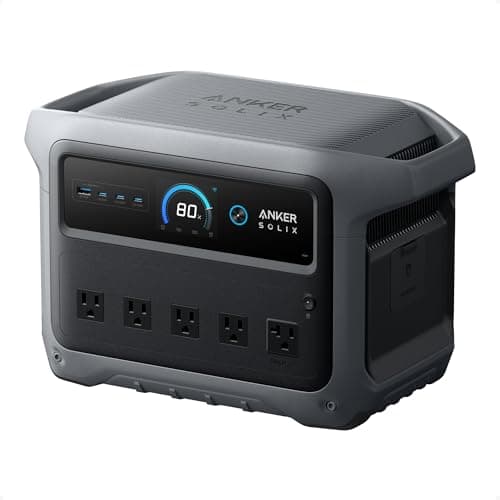 Anker SOLIX C1000 Gen 2 The right 1 kWh battery if your problem is short high-draw bursts rather than long low-draw endurance — and the fastest refill here by a wide margin. | Fastest 1 kWh recharge | 8.5/10 | $499.99 |
#ad Prices as of October 5, 2026; they may have changed since. Scores are our editorial judgment from published specifications, not test results — how we pick. How we are funded.
Questions people actually ask
Is LiFePO4 better than lithium-ion for a power station?
For backup duty, yes, decisively. Published cycle claims here run from 3,000 to 10,000 against a few hundred for the chemistries it displaced, and LFP is more thermally stable. The cost is lower energy density, meaning more weight and size for the same capacity.
How many cycles does a LiFePO4 power station last?
Published claims on the units here range from 3,000 to 10,000 cycles, with stated lifespans of 10 to 16 years. Note the end-of-life threshold differs between manufacturers — 80% remaining capacity in some claims and 70% in others.
Do I need 10,000 cycles for home backup?
No. A battery used only for outages might see 5-20 cycles a year, so even 3,000 cycles is far more than you will ever use. Spend the premium on surge rating, UPS switchover or a low idle draw instead — those decide whether the unit does its job.
Is LiFePO4 heavier than lithium-ion?
Yes, for the same capacity, because its energy density is lower. That matters for a phone and barely at all for a backup battery that sits beside a refrigerator, which is why the trade-off clearly favors LFP in this category.
Can I charge a LiFePO4 power station in freezing weather?
Not safely below freezing without heating, and most units' battery management systems prevent it. If the unit will live in an unheated garage in winter, check whether it publishes low-temperature charge protection or a heating function.
Can I leave a LiFePO4 power station at 100% charge?
Yes, and that is one of its advantages for backup duty — LFP tolerates sitting at full charge far better than older chemistries, which degrade faster held at 100%. That is what makes leave-it-plugged-in ownership sensible.
Read next
Best Overall Power Station
The Best Home Backup Power Stations
Battery power stations ranked for home backup on surge, capacity, recharge speed and cycle life.
Top pick · Jackery Explorer 2000 v2
$898.99View on Amazon10% off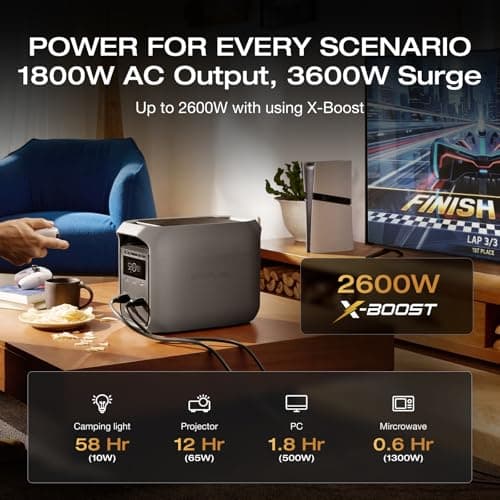
Best Budget Pick
Best Budget Power Stations
Budget power stations worth owning, with honest limits on what 300 watts of output can do.
Top pick · EcoFlow DELTA 3 Classic
$499.00View on Amazon11% off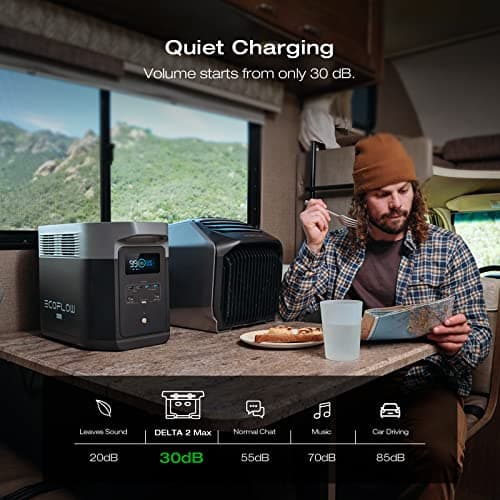
Guide
How to Recharge a Power Station in an Outage
The four recharge routes during an outage, with published charge speeds and the realistic limits of each.
Comparison
Home Battery Backup vs Generator
Installed home battery systems against generators, and the expandable portable units that sit between them.
Best Solar Kit
Best Solar Generators for Home Backup
Battery-plus-panel kits ranked on solar input ceiling and capacity, with honest expectations for real-world panel output.
Top pick · Jackery Explorer 2000 v2 + 2x200W Solar
$1,329.00View on Amazon19% off