Guide
Keep Your Refrigerator Running Through an Outage
The free measures first, then battery and generator options for a refrigerator, with published wattage and food-safety figures.
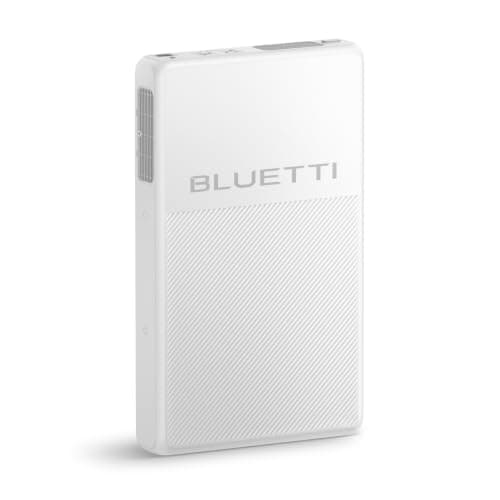
Top pick · Bluetti FridgePower
$899.00View on Amazon40% offHub
Most people do not arrive here wanting a generator. They arrive wanting the fridge to stop dying every winter. These pages start with the problem and end with the smallest thing that solves it.
Disclosure: we earn a commission on purchases made through links on this page, at no cost to you. It does not affect what we recommend or what we say about it — how we are funded.
There is a version of outage preparation that involves spending two thousand dollars and a weekend installing hardware. There is also a version that involves buying a thirty-dollar carbon monoxide alarm and a battery, and it solves most of the problem for most households. This hub exists to help you tell which one you need.
Ranked by how often it turns into real money or real danger:
Notice how few of those need a big generator. The first and the fifth are battery problems. The second needs about 700 watts. Only the sump pump and the well pump bring real surge demands, and both are addressed in detail in the sizing hub.
What each tier actually buys you
Most households stop at tier 2 and are genuinely well covered. Tier 3 earns its cost when you have a well pump, a sump pump, or outages measured in days rather than hours.
Tier 1 is not a joke entry. A battery CO alarm, a few frozen gallon jugs in the freezer, a decision in advance about what you will and will not open, and the phone numbers you need — that is a genuinely useful plan and it costs less than a tank of gas.
Tier 2 is where most people should land. A 2 kWh battery power station carries a refrigerator through a typical outage, runs indoors with no exhaust, makes no noise, and needs no fuel stored in the garage. If the outage is six hours, this is simply the better machine.
Tier 3 is a generator properly connected through a transfer switch or interlock kit, and it is the only tier that runs indefinitely and handles motor loads. It is also the tier with real safety obligations attached, which is why the carbon monoxide guide below is linked from every generator page on this site.
A generator with an eight-hour tank needs refueling at 3am, in the weather, in the dark, next to a hot engine. That is the single most dangerous routine moment in generator ownership, and it is why runtime and fuel choice matter more than most spec comparisons. Propane changes the calculation — it stores indefinitely and a tank swap is cleaner than a jerry can — and natural gas changes it completely, because a plumbed line does not run out.
Work through the problem guides below in whatever order matches your situation. Each one ends at the smallest thing that genuinely solves it, which is sometimes a generator and often is not.
Picks
Each tile carries the top pick from that page with a live price, so you can act from here rather than having to read a review first.
Guide
The free measures first, then battery and generator options for a refrigerator, with published wattage and food-safety figures.
Top pick · Bluetti FridgePower
$899.00View on Amazon40% off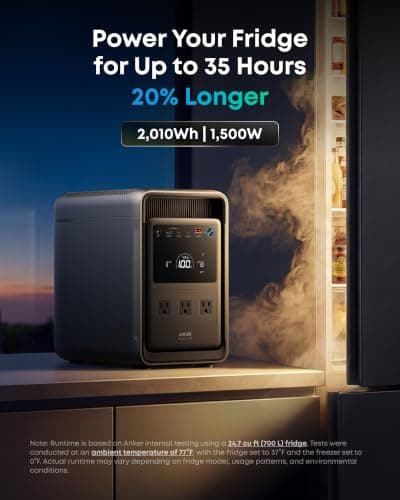
Reference
The published fridge and freezer timings, the 40 F safe threshold, and what to discard or refreeze after power returns.
Top pick · Anker SOLIX S2000
$679.99View on Amazon43% off
Guide
The CPSC placement rules, why a garage with the door open is still unsafe, and the battery CO alarm that should be your first purchase.
Top pick · Kidde KN-COPP-B-LPM Battery CO Alarm
$23.45View on Amazon22% off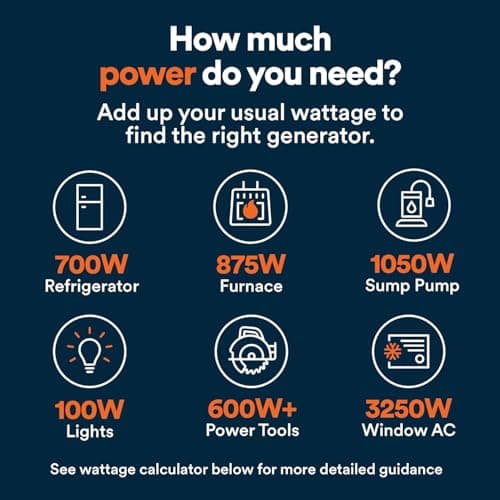
Guide
Published runtime figures across fuels and loads, and why fuel choice matters more than tank size.
Top pick · Generac 12,500W Starting Tri-Fuel
$920.00View on Amazon21% off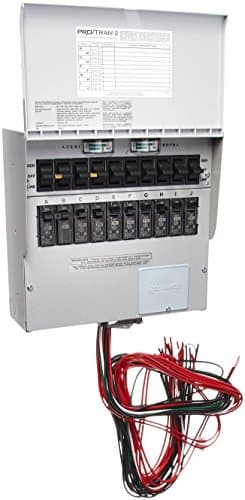
Guide
Connection options ranked, the correct start-up sequence, load management, and the back-feeding practice to never attempt.
Top pick · Reliance Controls 310CRK 10-Circuit 30A Kit
$474.76View on Amazon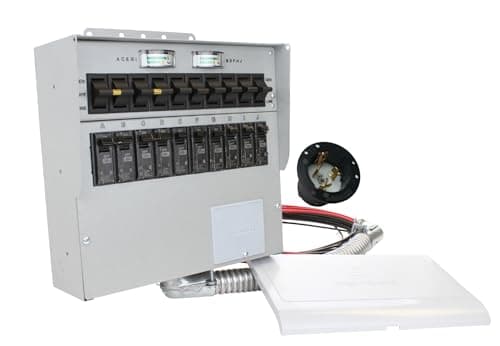
Guide
What a well pump needs from a generator and from the connection, including the 240V requirement and the soft-starter route.
Top pick · Reliance Controls A510A Pro/Tran2 10-Circuit 50A
$524.00View on Amazon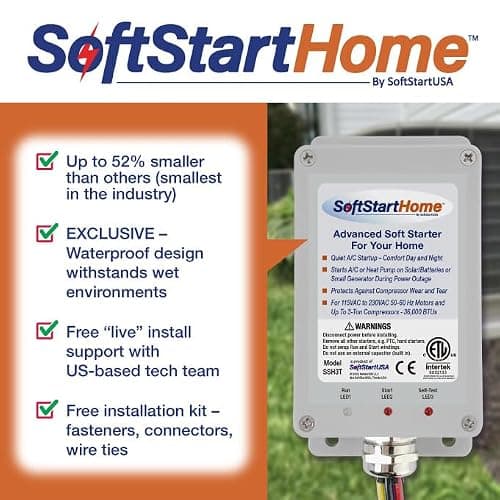
Guide
The practical side of running AC on generator power: sequencing, soft starters, and backing up one room instead of the house.
Top pick · SoftStartRV SoftStart Home AC Soft Starter
$355.00View on Amazon5% off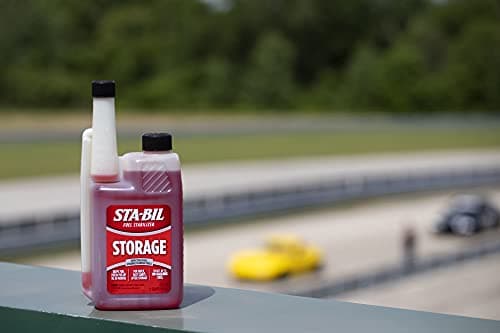
Guide
Fuel degradation, stabilizer shelf-life claims, safe storage quantities and containers, and the propane alternative.
Top pick · STA-BIL Storage Fuel Stabilizer, 32 oz
$13.58View on Amazon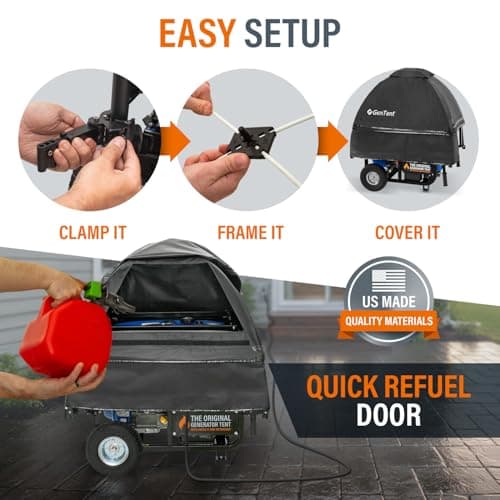
Guide
How to run a generator safely in wet weather, what running covers actually do, and the enclosures that are never acceptable.
Top pick · GenTent Universal Open Frame Generator Tent
$159.99View on Amazon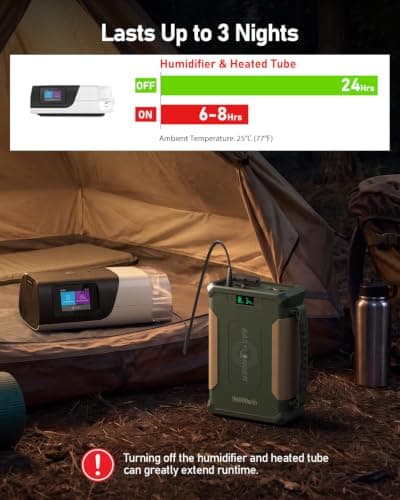
Guide
Backup power for CPAP machines and other medical equipment, including why a DC battery outlasts a general power station.
Top pick · EASYLONGER ES960 CPAP Battery
$269.99View on Amazon10% off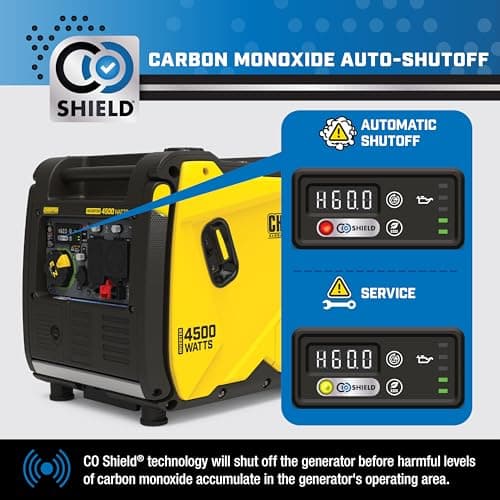
Guide
Before-the-storm and during-the-storm checklists for a winter outage, with the pipe-freeze risk front and center.
Top pick · Champion 4,500W RV Ready Inverter
$674.10View on Amazon10% off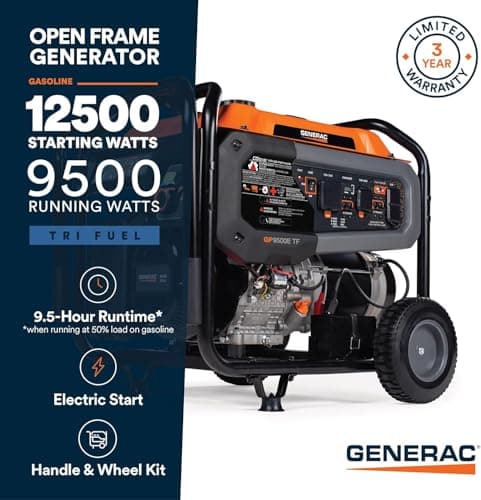
Guide
Preparing for long outages: the fuel logistics problem, why natural gas or propane wins, and a week-before checklist.
Top pick · Generac 12,500W Starting Tri-Fuel
$920.00View on Amazon21% off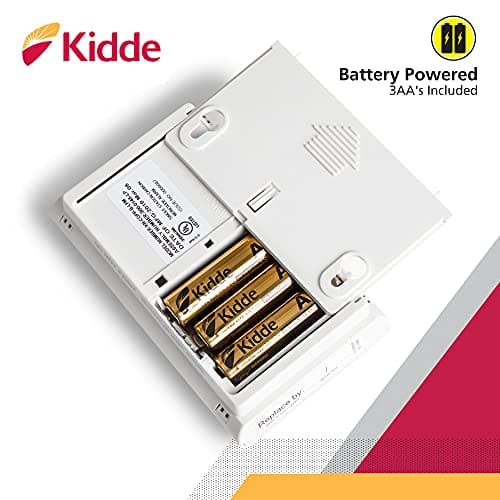
Best Preparedness Gifts
Outage preparedness gifts by budget, with what to check before buying and what each recipient will still need.
Top pick · Kidde KN-COPP-B-LPM Battery CO Alarm
$23.45View on Amazon22% offBest Gifts for Generator Owners
Accessories and consumables for a generator owner, organized by what you need to know about their machine first.
Top pick · GenTent Universal Open Frame Generator Tent
$159.99View on AmazonThe US Food and Drug Administration's guidance is that a refrigerator keeps food safe for about 4 hours unopened, and a full freezer for about 48 hours (24 hours if half full). Keeping the doors shut is the single most effective thing you can do, and an appliance thermometer removes the guesswork afterwards.
If your essential load is a fridge, lights, a modem and phones, and your outages last hours rather than days, a 1-2 kWh battery power station is the better buy: it runs indoors, makes no noise, needs no fuel and has nothing to maintain. A generator wins when you have motor loads like a well pump or sump pump, or when outages run for days.
No. The CPSC's guidance is explicit that a portable generator must never be run in a garage, basement, crawlspace or any partly enclosed space, even with doors and windows open — carbon monoxide accumulates faster than an open door clears it. Outside, at least 20 feet from the house, with the exhaust pointed away from openings.
A battery-powered carbon monoxide alarm, before any power equipment. It costs about twenty dollars, it works during the outage when a plug-in alarm does not, and it addresses the way generators actually kill people. Everything else on this site is a second purchase.
A gas furnace needs only its blower, igniter and controls powered — the EWEB chart puts a 1/3 HP blower at 700 running watts with a 1,400 watt start-up surge. That is well within a mid-sized inverter generator or a 2 kWh battery. An electric furnace or heat pump is a completely different problem and needs far more capacity.
Mechanically, most portable generators are designed for continuous operation as long as they have fuel and oil, but they need to be stopped for oil checks and cannot be refueled while hot or running. In practice that means stopping every tank. Published tank runtimes on the machines we cover range from about 8 to 19 hours depending on load.