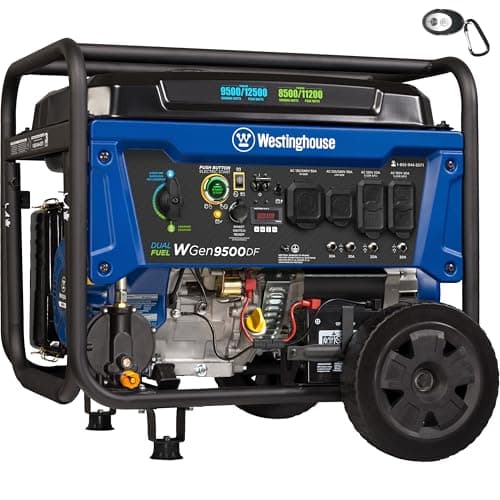
The argument for dual fuel is not really about generators. It is about what happens to gasoline. Modern pump gasoline contains ethanol, it draws moisture, and it begins degrading within a few months. The failure it causes is specific and extremely common: a gummed carburetor on a generator that sat in a shed for a year, discovered at the exact moment the power goes out.
Propane does not do that. A 20 lb tank in the garage is as good in five years as it was the day you bought it. That single property is why dual fuel is the sensible default for a machine that spends most of its life not running.
What each fuel costs you in output
Published output by fuel — Champion 12,500W tri-fuel
- Gasoline
- 10,000 W running / 12,500 W starting
- Propane
- 9,000 W running / 11,250 W starting
- Natural gas
- 8,000 W running / 10,000 W starting
Manufacturer figures. The pattern holds across the category: propane costs roughly 10% of the gasoline rating, natural gas roughly 20%. Size from the fuel you actually plan to use, not from the gasoline headline.
That table is the single most important thing on this page. A generator advertised at 12,500 watts delivers 8,000 running watts on natural gas — and if natural gas is your plan because it never runs out, 8,000 is your real number. Several manufacturers publish all three figures clearly. Champion and WEN do. Some do not, and where that is the case our product entries say so and we recommend sizing conservatively.
Dual fuel or tri-fuel
Dual fuel means gasoline and propane. Tri-fuel adds natural gas, and natural gas is a genuinely different proposition from the other two: it arrives by pipe, so runtime stops being a planning problem entirely. No refueling at 3am, no jerry cans, no tank swaps.
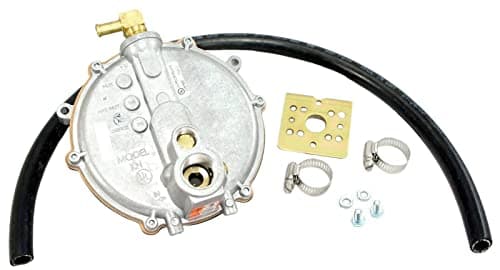
The catch is the house side. A natural gas quick-connect on your supply is licensed gas work in essentially every jurisdiction, it needs doing properly, and it needs budgeting for. There is also a cheaper route: a conversion kit can add natural gas capability to a dual fuel machine for a fraction of the price difference, reversibly, though the output derating is often unpublished.
What to check before you buy
- Is the propane hose included? Several machines do not include it and you find out on delivery day. Champion's 12,500 W tri-fuel includes both the propane and the natural gas hose, which is unusual and worth money.
- Which running-watt figures are published? If only the gasoline figure is given, you are sizing blind for the fuel you intend to use.
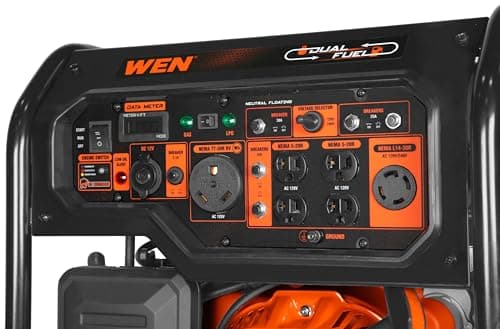
- Which outlets are transfer-switch ready? An L14-30R and a 14-50R give you both a 30 A and a 50 A path. A 120V-only L5-30R, which some budget machines carry instead, gives you neither.
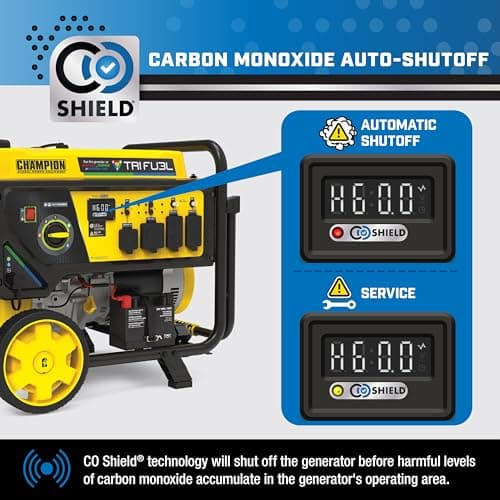
- Is there a CO shutdown? Still not universal in this class.
Start with the dual fuel roundup for the mainstream picks, or the tri-fuel roundup if a gas line is realistic for you. Is a dual fuel generator worth it is the honest cost argument, including the case for buying gasoline-only and a bottle of stabilizer instead.