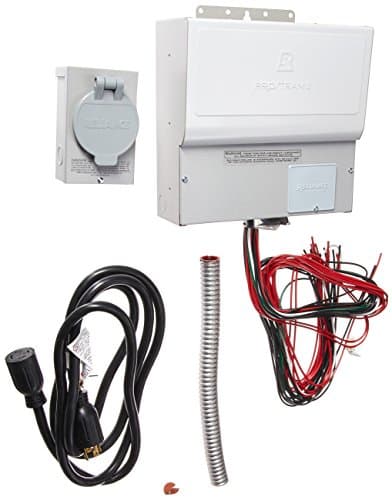
Best Transfer Switch
The Best Generator Transfer Switches
Transfer switches ranked on circuit count, amp rating and kit completeness, from 6-circuit 30A to 10-circuit 50A.
Top pick · Reliance Controls 310CRK 10-Circuit 30A Kit
$474.76View on AmazonHub
A generator with no proper connection cannot reach the furnace, the well pump or the sump pump — the three loads you most wanted it for.
Disclosure: we earn a commission on purchases made through links on this page, at no cost to you. It does not affect what we recommend or what we say about it — how we are funded.
This is the part of a backup power setup that people underestimate, get wrong, or skip entirely. It is also the part where the mistakes are dangerous rather than merely expensive.
The problem is simple to state. Your furnace, well pump and sump pump are hard-wired — there is no plug to run a cord to. To power them from a generator, the generator has to feed your panel. And a generator feeding a panel that is still connected to the utility sends power back down the service drop, where it can kill a line worker. Everything in this category exists to make that impossible.
Transfer switch vs interlock kit
Both are legitimate, both need a licensed electrician and in most places a permit and an inspection. The honest difference is less about safety than about who manages the load — the switch, or you.
A transfer switch is a sub-panel with a set number of circuits that can be fed from either the utility or the generator, never both. You pick which circuits at installation — typically fridge, furnace, well pump, sump pump and some lighting — and the device makes the dangerous configuration mechanically impossible.
An interlock kit is a steel plate that bolts to your existing panel cover and physically prevents the main breaker and a new generator breaker from being on at the same time. It costs a fraction as much and gives you access to every circuit in the panel. The catch: nothing stops you turning on more than the generator can carry, so load management is manual. Compared properly in interlock kit vs transfer switch.
An interlock plate is specific to a panel brand, a panel amperage, and the exact spacing between the main breaker and the branch breakers. Get any of those wrong and the plate simply will not install. The listings publish it: 3/4 to 7/8 inch for a 100 A Square D, 1 1/4 to 1 7/16 inch for an Eaton BR 150/200 A, and Siemens panels differ between their plug-on-neutral and non-plug-on-neutral variants.
So before ordering: open the panel cover, read the brand and the main breaker rating, and measure the spacing. Our panel compatibility guide lays out what is published for Square D QO and Homeline, Eaton BR, and Siemens and Murray panels. If you want fit certainty rather than a measurement, the manufacturers' own kits — Eaton's BRMIKBR, for instance, which cites NEC Article 702 — cost several times more and remove the risk entirely.
A 30 A transfer switch passes about 7,200 watts at 240 V. That is the ceiling regardless of the generator: a 9,500 running-watt machine on a 30 A switch wastes over 2,000 watts you paid for. If your sizing lands above roughly 7,500 running watts, you need a 50 A switch — and with it a 50 A cord and a 50 A inlet, both appreciably more expensive. Covered in the amp rating guide.
Three things go wrong here routinely. First, connector type: a 50 A generator with a 14-50P needs a cord ending in SS2-50R if the house inlet is SS2-50P, and a 14-50R inlet needs a different cord entirely. Second, conductor gauge: 10 AWG is correct for 30 A, and anything thinner at that current is a fire risk rather than a bargain. Third, length, which is a safety issue — a 25-foot cord is the practical minimum to get the generator the 20 feet from the house that CPSC guidance calls for.
The simplest way to avoid all three is a matched kit: a cord and inlet box sold together cannot be mismatched. Our cord roundup and cord gauge guide cover the detail, and can you use a regular extension cord answers the question people actually search for.
Picks
Each tile carries the top pick from that page with a live price, so you can act from here rather than having to read a review first.
Best Transfer Switch
Transfer switches ranked on circuit count, amp rating and kit completeness, from 6-circuit 30A to 10-circuit 50A.
Top pick · Reliance Controls 310CRK 10-Circuit 30A Kit
$474.76View on Amazon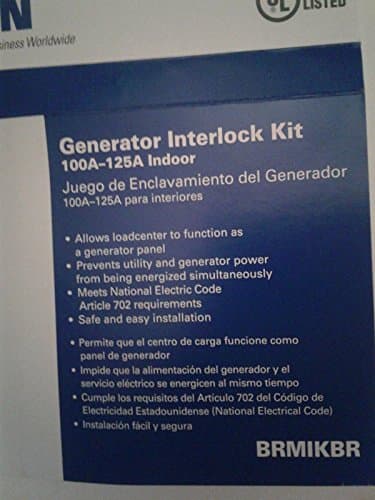
Best Interlock Kit
Interlock kits by panel brand with the published breaker-spacing figures, and the factory kit that removes fit risk.
Top pick · Eaton BRMIKBR Factory Interlock Kit 100-125A
$84.00View on Amazon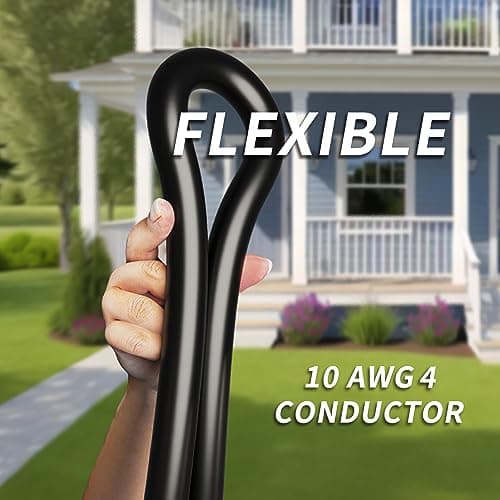
Best Generator Cord
Generator cords by gauge, length and connector type, with the certification and connector-match checks that matter.
Top pick · PlugSaf 25 ft 30A L14-30 Cord, 10 AWG
$58.99View on Amazon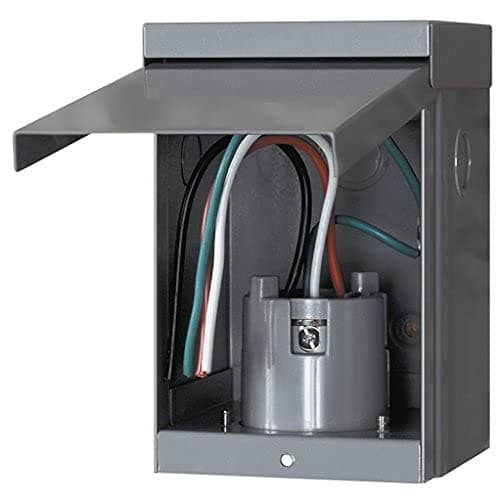
Best Inlet Box
Power inlet boxes ranked on enclosure rating, wiring room and connector match, for 30A and 50A installations.
Top pick · Connecticut Electric EGSPI50 50A Power Inlet Box
$62.95View on Amazon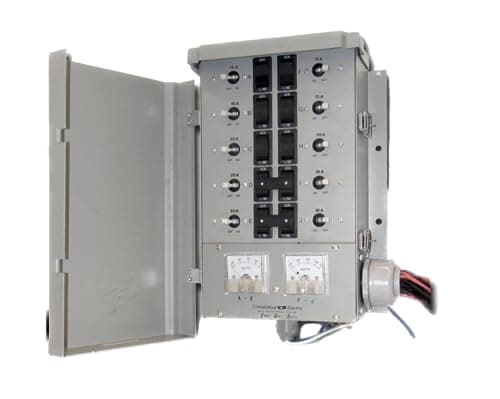
Best 50A Switch
50 amp transfer switches, which generators need one, and the whole-chain cost of the 50 amp upgrade.
Top pick · Connecticut Electric EmerGen EGS1012KG2 50A 10-Circuit
$379.99View on Amazon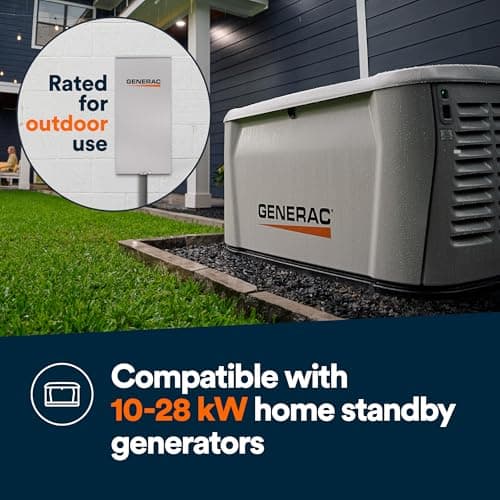
Whole-House Option
Whole-house and automatic transfer switches, what they actually do, and why a 50A manual switch is usually the right answer for a portable generator.
Top pick · Generac 200A Next Gen Automatic Transfer Switch
$789.00View on Amazon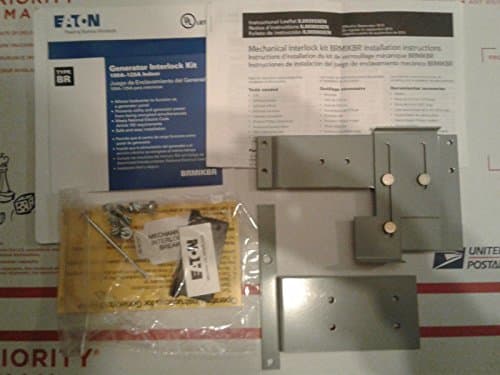
Reference
The code basis for mechanical interlocks, why acceptance varies locally, and how to find out before you buy.
Top pick · Eaton BRMIKBR Factory Interlock Kit 100-125A
$84.00View on Amazon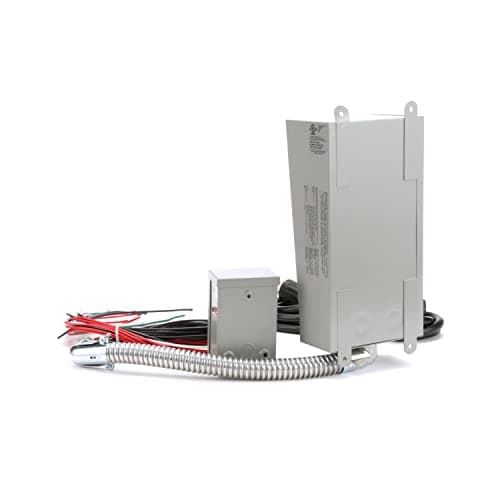
Guide
What a transfer switch installation involves, what drives the quote, and the decisions to make before the electrician arrives.
Top pick · Reliance Controls 31410CRK Pro/Tran 10-Circuit 30A
$462.11View on Amazon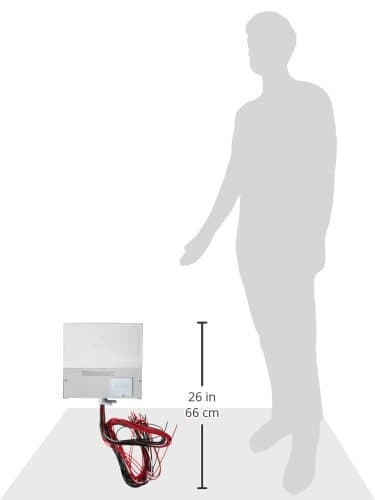
Guide
Matching transfer switch amp rating to generator output, with the arithmetic and the whole-chain cost implications.
Top pick · Reliance Controls 310CRK 10-Circuit 30A Kit
$474.76View on AmazonReference
A reference table of published interlock breaker-spacing figures by panel brand and amperage, plus how to identify your panel.
Top pick · Eaton BRMIKBR Factory Interlock Kit 100-125A
$84.00View on Amazon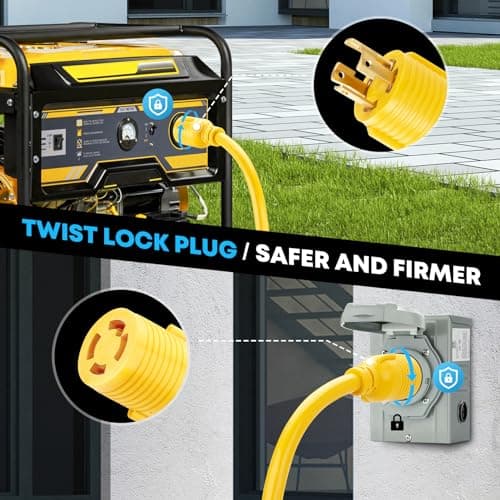
Reference
Conductor gauge requirements by amperage, the copper-versus-copper-clad question, and how length affects voltage drop.
Top pick · Kohree 40 ft 30A L14-30 Cord, ETL Listed
$79.99View on Amazon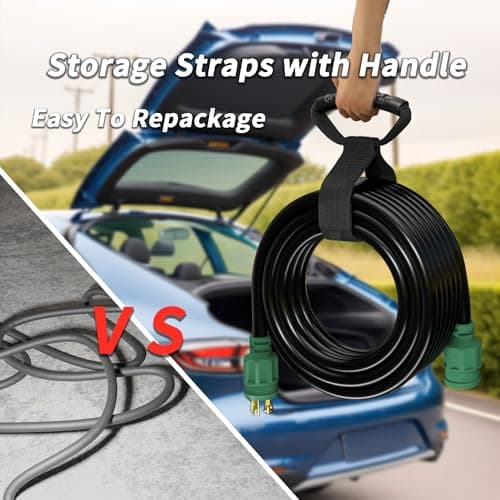
Reference
When a household extension cord is acceptable with a generator and when it is not, with the gauge and voltage reasons.
Top pick · PlugSaf 25 ft 30A L14-30 Cord, 10 AWG
$58.99View on Amazon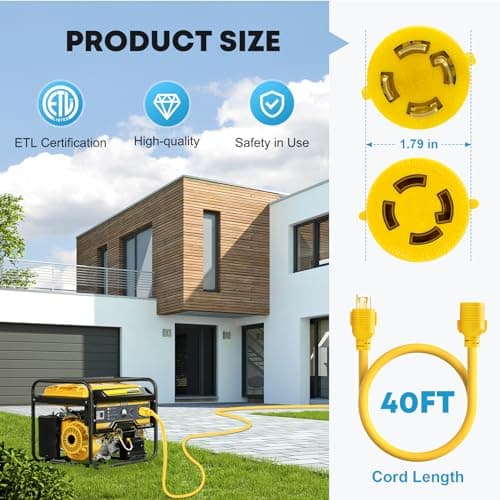
Comparison
The four construction differences between a generator cord and a household extension cord, and when each is correct.
Top pick · Kohree 40 ft 30A L14-30 Cord, ETL Listed
$79.99View on Amazon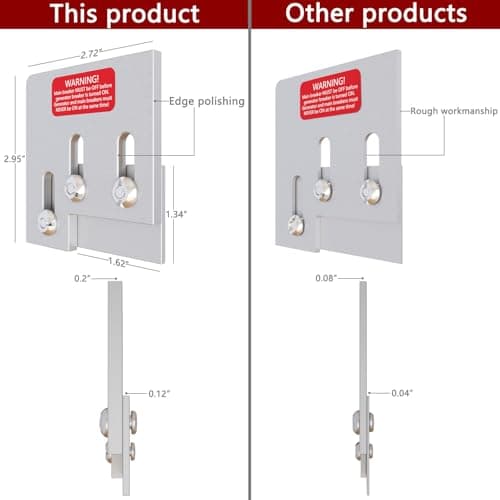
Guide
What back-feeding does electrically, why it is lethal to line workers, and the inexpensive compliant alternatives.
Top pick · SPZOCE Interlock Kit — Square D QO/Homeline 150/200A
$26.99View on AmazonYou need one — or an interlock kit — if you want to power hard-wired loads like a furnace, well pump or sump pump, because there is no plug to run a cord to. For powering individual appliances on cords you do not. Back-feeding through a dryer or range outlet is never an acceptable alternative.
Much cheaper for the part itself — tens of dollars against several hundred — and it gives access to every circuit in the panel rather than a pre-chosen six or ten. The installation still needs a licensed electrician and a generator inlet breaker, and you take on load management yourself, since nothing stops you overloading the generator.
Mechanical interlocks are a recognized method; Eaton's own kit states that it meets National Electrical Code Article 702 requirements. What varies is local enforcement: some inspectors accept third-party plates, others want the panel manufacturer's listed kit. Check with your authority having jurisdiction before buying a third-party plate.
Six covers a fridge, furnace, well pump, sump pump and two lighting circuits — the genuine essential set, with nothing spare. Ten lets you add kitchen outlets, a bathroom and a couple of spares for later. Ten circuits is the common choice and it costs more to install than to buy.
For a 30 A connection, 10 AWG four-conductor with L14-30 twist-lock ends. For 50 A, substantially heavier conductors — one kit here publishes 6/3 plus 8/1 AWG. Length should be at least 25 feet so the generator can sit the 20 feet from the house that CPSC guidance calls for, and voltage drop becomes a real consideration past about 50 feet.
A transfer switch, interlock kit and inlet box are permanent wiring on the supply side of your panel. In most jurisdictions that is licensed work requiring a permit and an inspection, and doing it wrong creates exactly the back-feed hazard the equipment exists to prevent. This site covers what to buy, not how to install it.