Outage Prep
Backup Power for Medical Devices
Different rules apply here. Start with your supplier and your utility, not with a product page.
Written byMike M.
Published
Disclosure: we earn a commission on purchases made through links on this page, at no cost to you. It does not affect what we recommend or what we say about it — how we are funded.
The short answer
- 1Call your equipment supplier — many provide or recommend a specific battery backup for your exact device, and some supply one.
- 2Register with your utility's medical priority list, which exists in most service areas and affects restoration order.
- 3For a CPAP, prefer a DC battery over an AC power station — running on DC avoids inverter losses and can roughly double runtime.
- 4Run without the humidifier and heated tube on battery. They are the largest loads by far.
Do these two things before buying anything
Call your equipment supplier. Medical device suppliers deal with this constantly. Many sell or recommend a battery matched to your exact machine, with the right DC cable, and some provide one as part of the service. That conversation is more valuable than anything we can tell you, because they know your device's real consumption.
Register with your utility. Most US utilities maintain a medical priority or life-support registry. Being on it can affect restoration order and means the utility knows to contact you about planned outages. It is free, it takes one call, and a surprising number of people who qualify have never done it.
The CPAP case, where the electrical detail actually matters
A CPAP is a modest load — tens of watts — which makes it an excellent battery candidate. But there is a specific technical point that makes a large difference, and most general advice misses it.
Most CPAP machines run on DC internally and accept a DC input. If you power one from a general AC power station, the battery's inverter converts DC to AC, and the CPAP's own supply converts it back to DC — two conversions, each losing energy. Run it from a DC battery with the correct cable and you skip both.
The size of the difference shows in the published claims. A purpose-built CPAP battery at 297.6 Wh claims 2+ nights of use; a general-purpose 292 Wh power station is a similar capacity but spends part of it on conversion. The purpose-built unit's advantage is real and it comes from this.
What drives CPAP battery runtime
- Machine alone, DC powered
- Lowest draw, longest runtime
- Machine alone, via AC inverter
- Conversion losses both ends
- Add heated humidifier
- Much higher draw
- Add heated tube
- Higher again
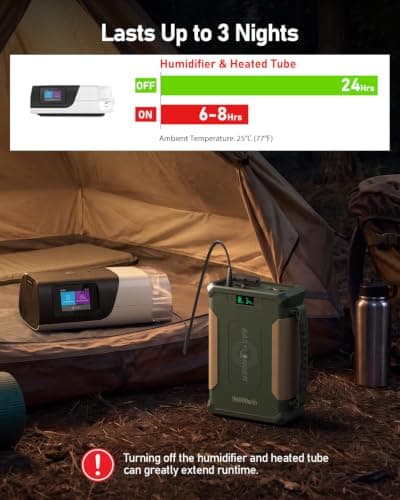
The humidifier and heated tube are resistive heating elements and dominate consumption. EASYLONGER's 2+ night claim for its 297.6 Wh pack is explicitly stated as being without humidifier or heated tube.
So the practical advice is straightforward: on battery power, turn the humidifier and the heated tube off. It is less comfortable and it roughly doubles or triples how many nights you get. Confirm with your supplier that running without them is appropriate for you.
Check compatibility carefully. EASYLONGER's listing names ResMed S9, AirSense 10/11, AirCurve 10/11 and AirMini, Philips DreamStation, and also Sefam S.Box, Resvent iBreeze, Apex iCH and Löwenstein Prisma. Find your machine on the list, or ask your supplier, before ordering.
The short answer
Picks for a CPAP
| # | Product | Best for | Score | Price |
|---|---|---|---|---|
| 1 | 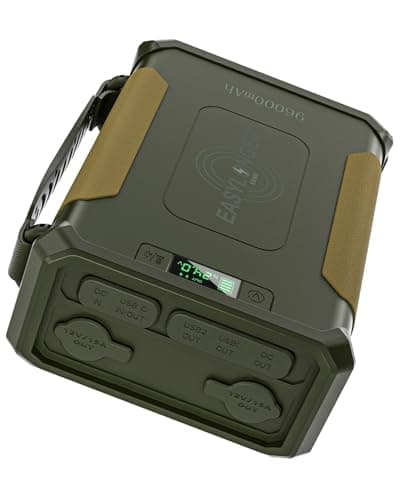 EASYLONGER ES960 CPAP Battery If the backup power question is specifically about a CPAP, a purpose-built DC battery outlasts a general power station of the same capacity — buy this rather than a bigger box. | CPAP specifically | 7.5/10 | $269.99 |
| 2 | 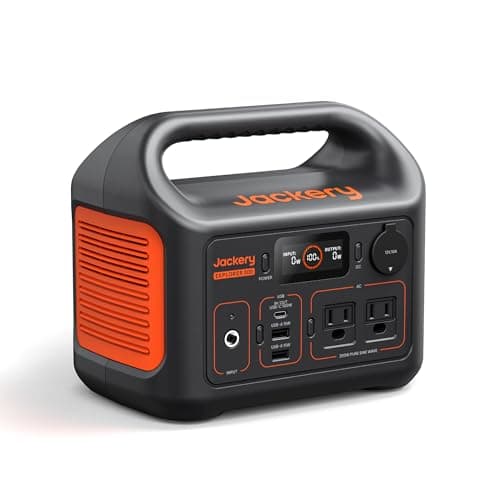 Jackery Explorer 300 Buy this for devices and medical equipment, not appliances — and at 7.5 lb and 4,000 cycles, it is the easiest preparedness purchase on the site. | Phones, laptops, a CPAP | 7.3/10 | $259.00 |
| 3 | 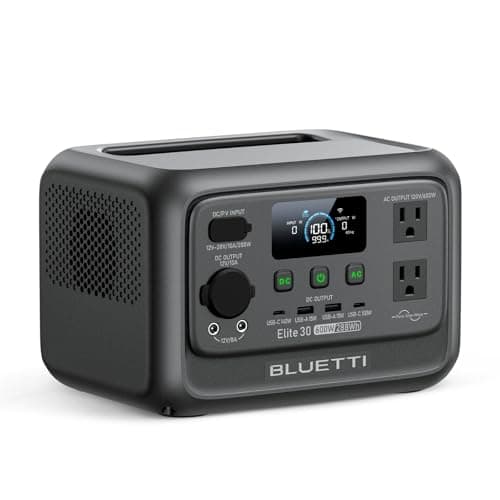 Bluetti Elite 30 V2 The small power station with genuinely useful output, as long as you understand 288 Wh means that output lasts minutes, not hours. | Highest output of the small units | 7.0/10 | $249.99 |
#ad Prices as of October 5, 2026; they may have changed since. Scores are our editorial judgment from published specifications, not test results — how we pick. How we are funded.
Refrigerated medication
Insulin and other refrigerated medications are a small, steady cooling load — which is to say, the same problem as a refrigerator but smaller. The published refrigerator figures are 400-700 running watts with a 2,200 watt surge, and a dedicated small fridge is less.
A 1-2 kWh battery with a 3,000 watt surge rating covers a refrigerator for a day or more on our arithmetic. Units with UPS switchover under 10 ms are particularly suited here, because the compressor never stops and the temperature never rises at all. Several of the power stations we list publish that specification.
Ask your pharmacist about your specific medication's temperature tolerance — some have more latitude than people assume, and knowing the real limit changes how much backup you need.
Oxygen concentrators and higher-draw equipment
A home oxygen concentrator is a substantially larger load than a CPAP, and a portable concentrator is different again from a stationary one. We are not going to publish a wattage figure, because we have no cited source for one and this is equipment people depend on.
What to do: read the nameplate on your unit for volts and amps, multiply for running watts, and take that figure to your supplier and to the load calculator as a custom load. Then size a battery from watt-hours divided by that draw, with 10-15% taken off for inverter losses — and size generously, because this is not a load where running out is acceptable.
For equipment at this level, a generator is often the right answer rather than a battery, precisely because it runs as long as it has fuel. If so, read carbon monoxide safety carefully — the stakes of getting placement wrong are higher in a household with someone already medically vulnerable.
For larger or longer-duration needs
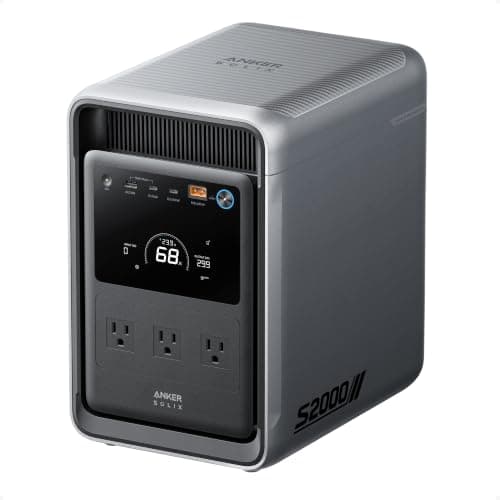
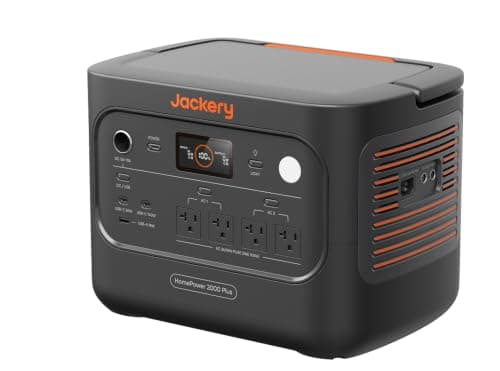
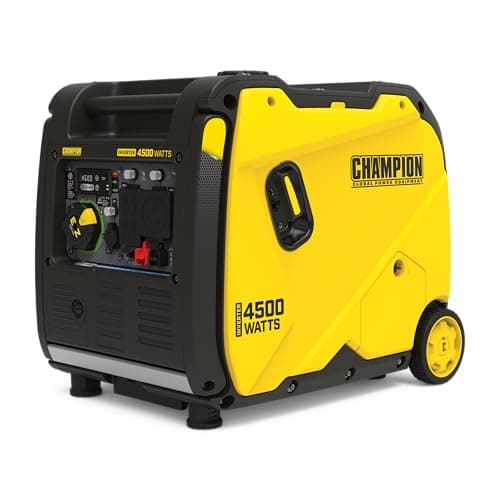
Two low-idle-draw batteries suitable for staying plugged in permanently, and a quiet inverter generator for when the duration exceeds any battery.
Questions people actually ask
What battery do I need to run a CPAP during a power outage?
A purpose-built CPAP battery with the correct DC cable for your machine is more efficient than a general AC power station of the same capacity, because it avoids two conversion steps. One 297.6 Wh unit claims 2+ nights without the humidifier or heated tube. Confirm compatibility with your machine, and ask your supplier first.
Can I run my CPAP from a portable power station?
Yes, and many people do. The caveat is efficiency: powering it through the station's AC inverter and then the CPAP's own power supply loses energy twice. If your machine accepts DC input, using it directly can substantially extend runtime from the same capacity.
Should I use the humidifier on battery power?
Generally no. The heated humidifier and heated tube are resistive heating elements and are by far the largest loads — manufacturers' multi-night runtime claims are explicitly stated as being without them. Confirm with your supplier that running without them is appropriate for you.
How do I keep insulin cold in a power outage?
It is a small steady cooling load, so a 1-2 kWh battery with a 3,000 watt surge rating covers a refrigerator for a day or more. A unit with UPS switchover under 10 milliseconds is ideal because the compressor never stops. Ask your pharmacist about your medication's actual temperature tolerance.
Should I tell my utility about medical equipment?
Yes. Most US utilities maintain a medical priority or life-support registry that can affect restoration order and means they will notify you of planned outages. It is free and takes one call, and many people who qualify have never registered.
How much power does an oxygen concentrator use?
We do not publish a figure because we have no cited source and this is equipment people depend on. Read the nameplate on your unit for volts and amps and multiply for running watts, then confirm with your supplier. Size generously, and consider a generator rather than a battery for the duration.
Sources
- EASYLONGER ES960 CPAP battery — manufacturer listingThe 297.6 Wh capacity, the 2+ nights-without-humidifier runtime claim, and the published CPAP compatibility list.
- Ready.gov — Power OutagesFederal preparedness guidance on outage planning referenced in the checklist sections.
Read next
Best for CPAP
Best Power Station for a CPAP
CPAP backup power options, with the DC-versus-AC efficiency point and the compatibility checks that matter.
Top pick · EASYLONGER ES960 CPAP Battery
$269.99View on Amazon10% off
Best Budget Pick
Best Budget Power Stations
Budget power stations worth owning, with honest limits on what 300 watts of output can do.
Top pick · EcoFlow DELTA 3 Classic
$499.00View on Amazon11% off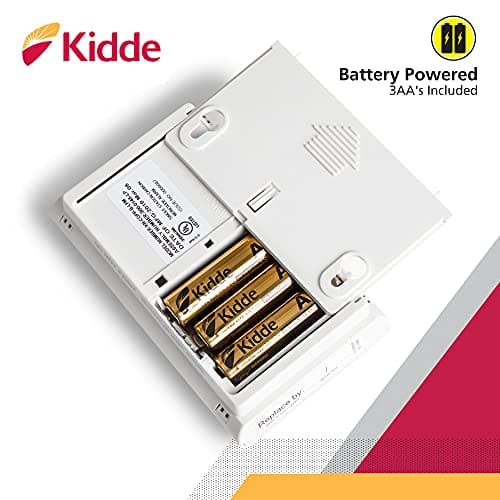
Guide
Generator Carbon Monoxide Safety
The CPSC placement rules, why a garage with the door open is still unsafe, and the battery CO alarm that should be your first purchase.
Guide
Keep Your Refrigerator Running Through an Outage
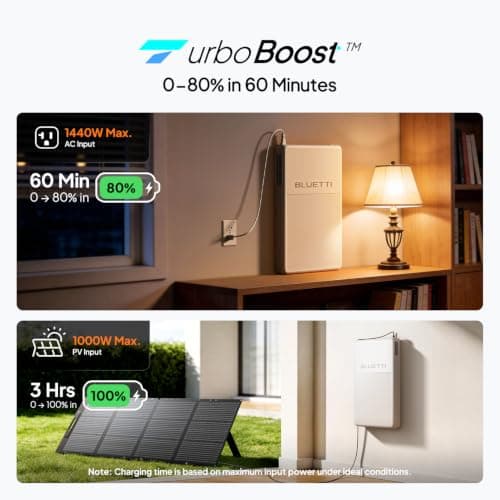
The free measures first, then battery and generator options for a refrigerator, with published wattage and food-safety figures.
Best Overall Power Station
The Best Home Backup Power Stations
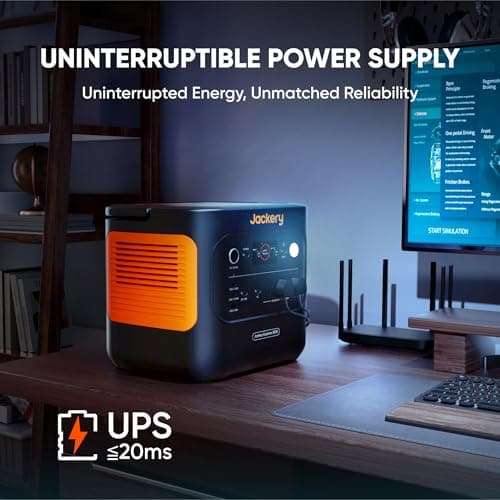
Battery power stations ranked for home backup on surge, capacity, recharge speed and cycle life.
Top pick · Jackery Explorer 2000 v2
$898.99View on Amazon10% off