Transfer Switches & Connection
The Dangers of Back-Feeding a Generator
This is the one practice on this site we will not describe neutrally. Here is exactly what goes wrong and why.
Written byMike M.
Published
Disclosure: we earn a commission on purchases made through links on this page, at no cost to you. It does not affect what we recommend or what we say about it — how we are funded.
The short answer
Back-feeding means energizing your panel from a generator through an appliance outlet, usually with a double-male cord. It sends power back out through your service drop, where the utility transformer steps it UP to distribution voltage, energizing lines that line workers reasonably believe are dead. It also leaves live exposed pins on one end of the cord and bypasses every overcurrent protection in your panel. An interlock kit costs tens of dollars and does the job legally.
What happens electrically
Four things, each independently serious.
1. Your generator energizes the utility lines
The transformer on the pole or pad outside your house is a step-down transformer: it takes distribution voltage down to the 120/240 volts your house uses. Transformers work in both directions. Feed 240 volts into its secondary and it steps that up on its primary side, energizing the distribution line at thousands of volts.
A crew working to restore power has isolated and tested that line. Your generator makes it live again, from a direction they have no way to anticipate.
2. The cord has live exposed pins
A double-male cord has a plug at each end. When one end is in the generator and the generator is running, the other end's pins are energized and exposed. There is no version of that which is safe to handle, and it is lying on the ground in the dark in the rain.
3. Overcurrent protection is bypassed
Feeding a panel backwards through a branch circuit means the generator's output passes through a breaker in the wrong direction and energizes the bus. Circuits are no longer protected the way the panel was designed to protect them, and the appliance outlet's own breaker is now carrying the entire house load rather than that one circuit.
4. Nothing prevents simultaneous connection
If utility power returns while your generator is connected, the two sources are joined. A generator is not synchronized to the grid and cannot be — the result is damage to the generator at best.
What the compliant alternatives cost
This is the practical heart of the page, because cost is what drives people to back-feed.
The three compliant routes
- Cords to plug-in appliances
- A cord. No electrician.
- Interlock kit
- Tens of dollars for the plate
- Transfer switch
- Several hundred for the switch
The interlock plate is genuinely inexpensive. The installation — a generator inlet breaker, an inlet box, a feeder, a permit — is the real cost, and it is similar whichever of the latter two you choose.
And the first row deserves emphasis, because it is free of installation cost entirely. Running cords to plug-in appliances is completely legitimate. A refrigerator, a plug-in space heater, lamps, a modem, a sump pump that plugs into a receptacle in the pit — all reachable with a cord, no electrician, no permit.
What a cord cannot reach is anything hard-wired. If the honest answer is that you cannot currently afford the panel connection, cords to the plug-in loads is the correct interim plan, not back-feeding.
How an interlock prevents all of this
A steel plate on your panel cover that makes it mechanically impossible for the main breaker and a generator breaker to be on at the same time. Mechanically — not by procedure, not by a label, not by remembering.
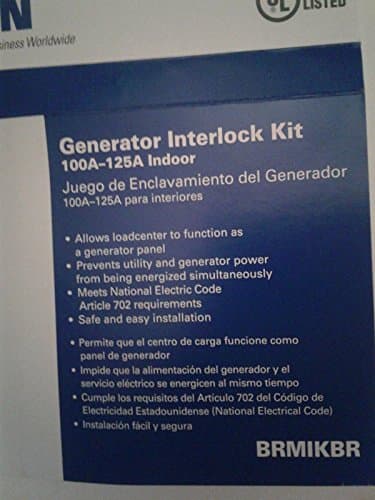
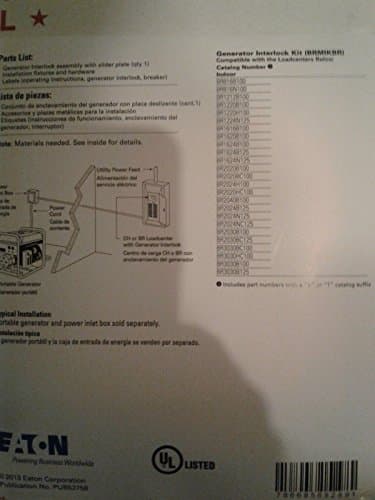
Eaton's own kit states what that achieves: it prevents the utility and generator panel from being energized simultaneously, allows the load center to function as a generator panel, and meets National Electrical Code Article 702 requirements.
The kits also include a generator start-up procedure label for the panel door, because with an interlock the sequence matters — main breaker off first, always, then the generator breaker.
The short answer
Quick picks
| # | Product | Best for | Score | Price |
|---|---|---|---|---|
| 1 | 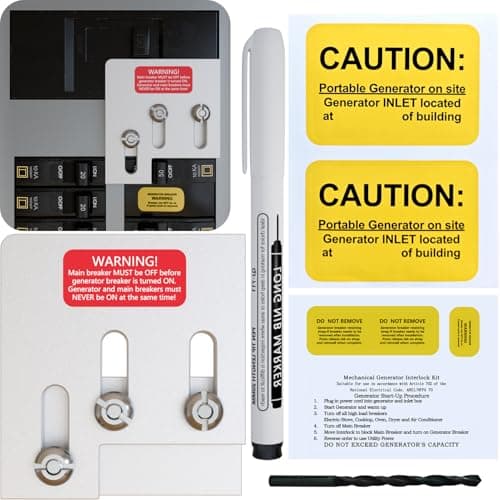 SPZOCE Interlock Kit — Square D QO/Homeline 150/200A The cheapest correct way to connect a generator to the whole panel, provided your panel is a Square D QO or Homeline with the exact spacing stated — measure first. | Square D QO and Homeline, 150-200A | 8.5/10 | $26.99 |
| 2 | 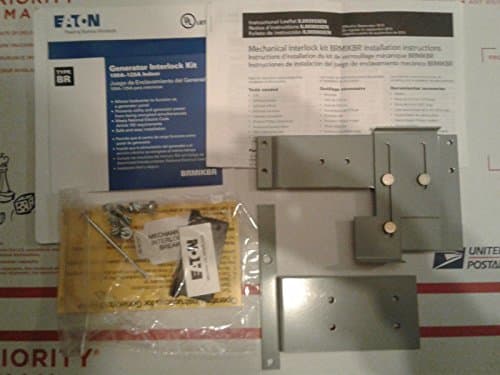 Eaton BRMIKBR Factory Interlock Kit 100-125A Pay the premium for this one: a factory interlock with a stated NEC Article 702 basis removes both the fit risk and the inspection risk. | Factory kit that satisfies inspectors | 8.9/10 | $84.00 |
| 3 | 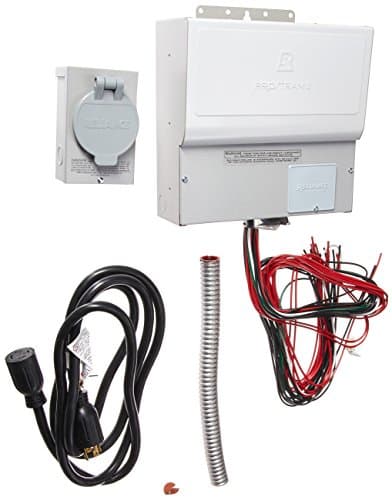 Reliance Controls 310CRK 10-Circuit 30A Kit The standard answer for connecting a portable generator properly: ten circuits, 30 A, from the brand electricians recognize. | The ten-circuit default | 8.6/10 | $474.76 |
| 4 | 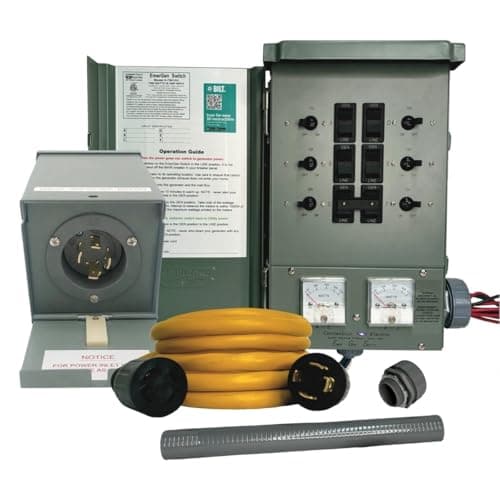 Connecticut Electric EmerGen EGS67501G2 30A 6-Circuit Kit A well-built six-circuit kit whose double-throw switching is the right answer to the backfeeding problem that makes DIY generator connection dangerous. | Double-throw backfeed protection | 7.9/10 | $298.99 |
#ad Prices as of October 5, 2026; they may have changed since. Scores are our editorial judgment from published specifications, not test results — how we pick. How we are funded.
How a transfer switch prevents it
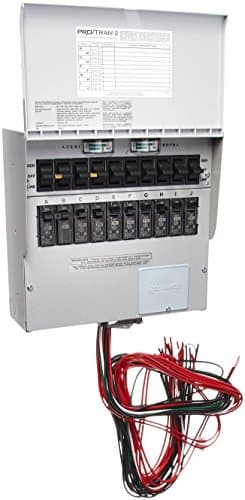
Double-throw switching per circuit. Connecticut Electric describes it directly: the double-throw rocker switches eliminate the risk of back-feeding. Each circuit is connected either to the utility or to the generator, and the switch's construction makes both simultaneously impossible.
That is the design that also manages your load, since the circuits were chosen at installation to total less than the generator can carry — which an interlock does not do.
The thing to take away
Everything in this category exists to make one specific configuration impossible: your generator and the utility connected at the same time. Back-feeding is not a cheaper way to the same outcome — it is the thing all of this hardware was invented to prevent.
Next: are interlock kits legal for the code and inspection side, or how to run your house on a generator for the operational sequence.
This page describes what manufacturers publish about their equipment and the generally understood electrical consequences of back-feeding. It is not code or legal advice, and your authority having jurisdiction governs your installation.
Questions people actually ask
What is back-feeding a generator?
Energizing your electrical panel from a generator through an appliance outlet, usually with a double-male cord, instead of through a transfer switch or interlock kit. It is the practice all of that hardware exists to prevent.
Why is back-feeding dangerous?
Four reasons: it energizes utility lines through the pole transformer, which steps the voltage up and endangers line workers; the cord has live exposed pins at one end; it bypasses your panel's overcurrent protection; and nothing prevents the generator and returning utility power being connected simultaneously.
Can back-feeding kill a utility worker?
Yes, and that is the central reason it is prohibited. Crews isolate and test a line before working on it. A back-fed house makes that test wrong, energizing the distribution line at thousands of volts from a direction they cannot anticipate.
What is the cheapest legal way to connect a generator?
Running cords to plug-in appliances, which needs no electrician and no permit at all. For hard-wired loads, an interlock kit — the plate costs tens of dollars, though the installation of a generator inlet breaker, inlet box and feeder is licensed work.
How does an interlock kit stop back-feeding?
Mechanically. The steel plate makes it physically impossible for the main breaker and the generator breaker to be on at the same time. Eaton's kit states that it prevents the utility and generator panel being energized simultaneously and meets NEC Article 702 requirements.
What if I cannot afford a transfer switch?
Run cords to your plug-in appliances — a refrigerator, lamps, a modem, a plug-in heater, a sump pump on a receptacle. That covers a great deal for the cost of a cord, and it is the correct interim plan. An interlock plate is the next step up and is genuinely inexpensive.
Sources
- Eaton BRMIKBR Type BR mechanical interlock kit — manufacturer listingManufacturer statement that the kit meets National Electrical Code Article 702 requirements, quoted wherever this page discusses code basis.
- US Consumer Product Safety Commission — Portable Generator Information CenterThe 20-foot placement guidance that sets the minimum practical cord length referenced on this page.
Read next
Reference
Are Generator Interlock Kits Legal?
The code basis for mechanical interlocks, why acceptance varies locally, and how to find out before you buy.
Best Interlock Kit
The Best Generator Interlock Kits
Interlock kits by panel brand with the published breaker-spacing figures, and the factory kit that removes fit risk.
Top pick · Eaton BRMIKBR Factory Interlock Kit 100-125A
$84.00View on AmazonGuide
How to Run Your House on a Generator
Connection options ranked, the correct start-up sequence, load management, and the back-feeding practice to never attempt.
Best Transfer Switch
The Best Generator Transfer Switches
Transfer switches ranked on circuit count, amp rating and kit completeness, from 6-circuit 30A to 10-circuit 50A.
Top pick · Reliance Controls 310CRK 10-Circuit 30A Kit
$474.76View on Amazon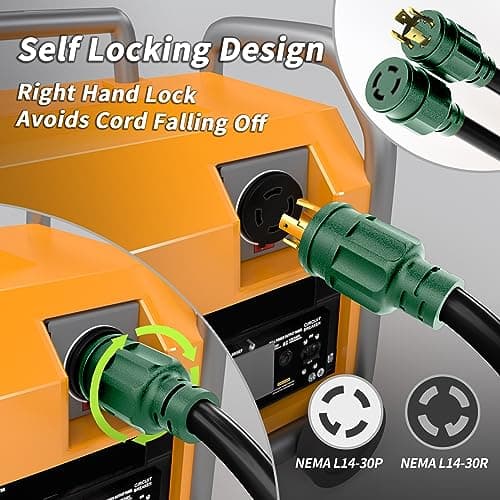
Reference
Can You Use a Regular Extension Cord With a Generator?
When a household extension cord is acceptable with a generator and when it is not, with the gauge and voltage reasons.