Generators
The Best Generators With Remote Start
The feature that sounds like a luxury until the first ice storm. Ranked on what each manufacturer actually publishes about its remote.
Written byMike M.
Published
Disclosure: we earn a commission on purchases made through links on this page, at no cost to you. It does not affect what we recommend or what we say about it — how we are funded.
The short answer
The best generator with remote start is the Champion 11,000 W inverter: it is the only machine in this registry that publishes a remote range — wireless start from up to 80 feet — alongside 9,000 running watts, 64 dBA at 23 feet and Cold Start Technology. If you want dual fuel with the same convenience, the Westinghouse WGen10500DFc publishes 10,500 running watts on gasoline and 9,500 on propane with a remote key fob and CO shutdown.
Remote start reads like a convenience feature on a spec sheet. In practice it is the difference between pulling on boots, finding a flashlight and standing in freezing rain yanking a recoil cord, and pressing a button in the kitchen. The outages that need a generator are the outages with weather in them, and that is the whole argument for this feature.
What remote start is — and the three things it is not
Being precise here saves people real money, because the phrase gets confused with two more expensive capabilities.
- It is not automatic start. A portable generator with remote start waits for you to press the fob. A permanently installed standby generator senses the outage and starts itself. If you want the machine to act without you, you are shopping for a standby system, not a portable.
- It does not connect the generator. The cord still has to be plugged in and the transfer switch or interlock still has to be thrown by hand. Remote start saves you the pull cord, not the trip outside — unless you leave the machine plugged in and staged, which is how most owners use it.
- It does not warm the engine. Cold is hard on a small engine, and a fob does not change that. Champion publishes Cold Start Technology for exactly this reason; most machines publish nothing about cold behavior.
What it genuinely gives you is this: a generator that is already positioned, already connected and already fueled becomes a one-button device. That is worth a lot at 2 a.m., and it is worth nothing if the machine is in the shed under a tarp.
The selection criteria
- 1A published remote or key-fob start on the listing. Not inferred from "electric start", which is a button on the machine itself.
- 2Running watts that match a real household plan, from 5,300 up. A remote on a machine too small for your load is a feature on the wrong product.
- 3A published remote range, where it exists. Exactly one machine here states one. The rest publish the fob and not its working distance, and the table says so.
- 4A maintained starting battery. Remote start depends entirely on a battery. Two picks publish a battery tender, which is the feature that keeps the fob working after eleven months of standing still.
- 5CO shutdown and fuel flexibility, weighed as on every roundup here.
The short answer
Quick picks
| # | Product | Best for | Score | Price |
|---|---|---|---|---|
| 1 | 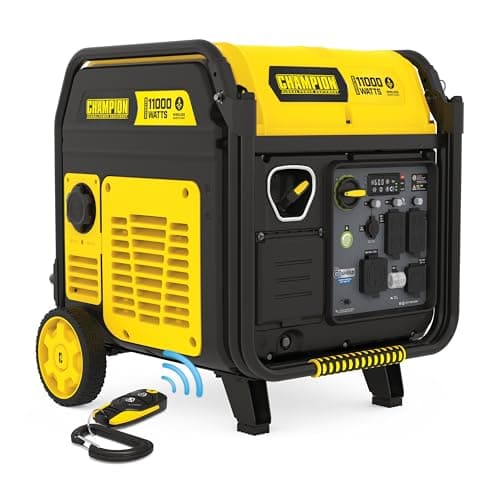 Champion 11,000W Remote Start Inverter A quiet, well-documented 9,000-running-watt inverter whose Cold Start Technology is more useful than the spec sheet suggests — but it only runs on gasoline. | Quiet whole-house, gasoline | 9.0/10 | $1,899.00 |
| 2 | 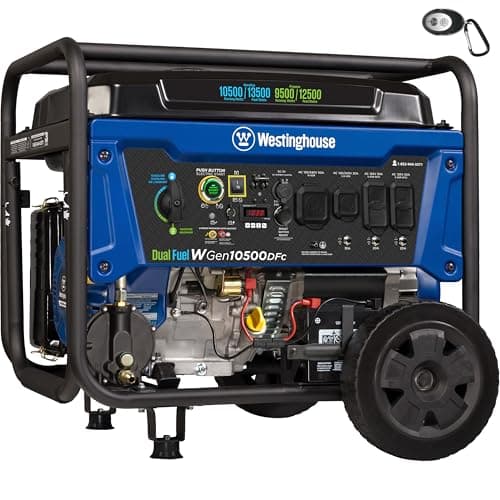 Westinghouse WGen10500DFc 13,500W Dual Fuel The WGen9500DF with the two things it is missing fixed: more running watts and a CO shutdown, at a higher price. | Same layout, with CO shutdown | 9.5/10 | $1,099.00 |
| 3 | 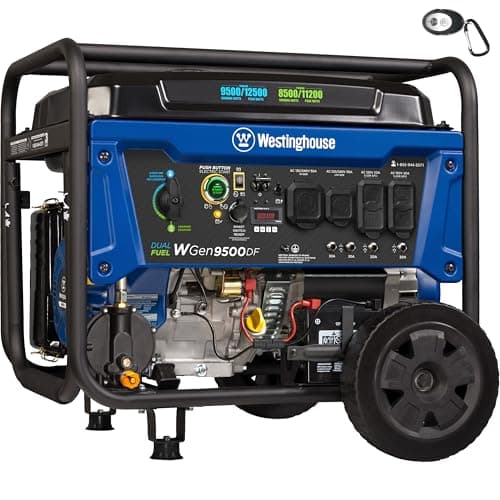 Westinghouse WGen9500DF 12,500W Dual Fuel The most broadly sensible home backup generator on the market: enough running watts for a whole essential-circuit panel, both transfer-switch outlets, and dual fuel — with the caveat that it has no CO shutoff. | The default whole-house pick | 9.4/10 | $999.00 |
| 4 | 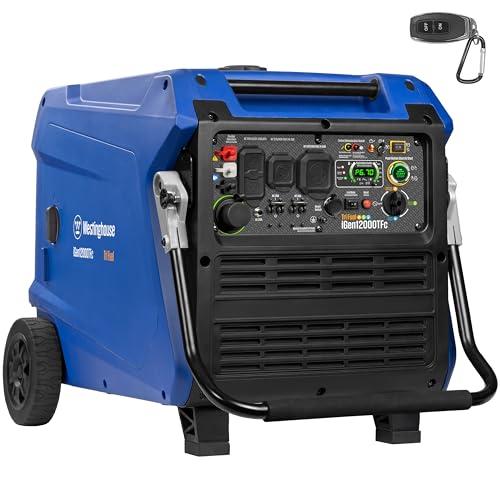 Westinghouse iGen12000TFc 12,000W Tri-Fuel Inverter The tri-fuel to buy when power quality matters as much as fuel flexibility — and unlike most of this class it states what it makes on every fuel, natural gas included. | Tri-fuel with inverter-clean power | 9.2/10 | $1,949.00 |
| 5 | 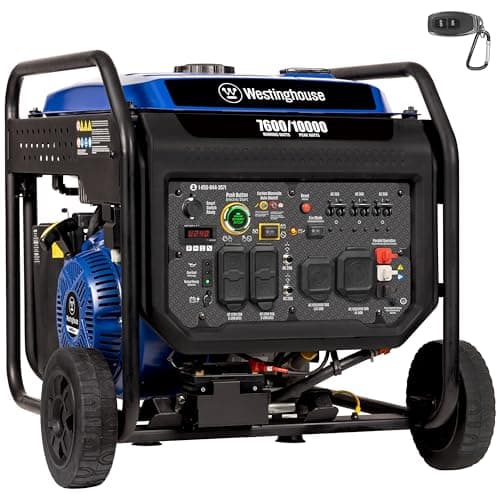 Westinghouse ecoGen10000 10,000W Open-Frame Inverter The value route to inverter-clean power at whole-essential-circuit output, at the cost of the acoustic enclosure and the propane option. | Clean power at 7,600 running watts | 9.1/10 | $1,149.00 |
| 6 | 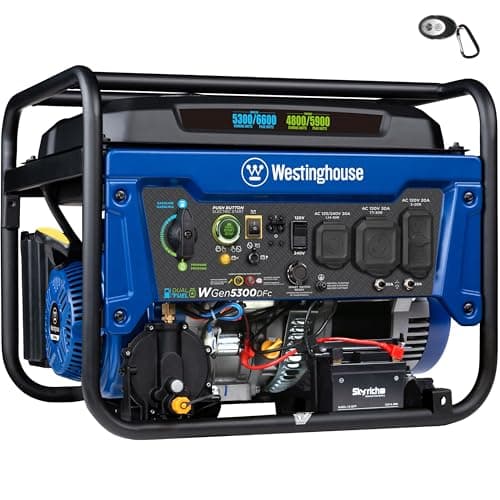 Westinghouse WGen5300DFc 6,600W Dual Fuel The right generator for a house without a well pump or central air: light enough to actually move, with CO shutoff and remote start included. | Light essential circuits, easy to move | 9.0/10 | $649.00 |
| 7 | 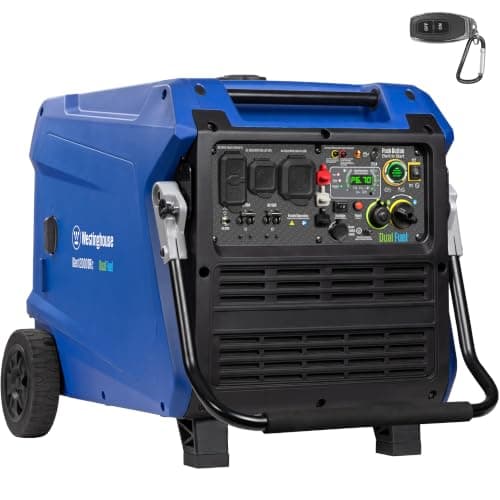 Westinghouse iGen12000DFc 12,000W Dual Fuel Inverter The best technical answer for whole-house backup if the budget allows: transfer-switch-ready output, inverter-clean power, and far less noise than the conventional alternative. | Whole-house backup with clean power | 9.5/10 | $1,899.00 |
#ad Amazon prices as of November 19, 2026; they may have changed since. Scores are our editorial judgment from published specifications, not test results — how we pick. How we are funded.
What each manufacturer publishes about its remote
| Machine | Remote type | Published range | Running watts | Fuel | Battery tender |
|---|---|---|---|---|---|
| Champion 11,000 W Inverter | Wireless remote | Up to 80 ft | 9,000 W | Gasoline | Not stated |
| Westinghouse WGen10500DFc | Key fob | Not published | 10,500 W / 9,500 LP | Gas + propane | Not stated |
| Westinghouse WGen9500DF | Key fob | Not published | 9,500 W / 8,500 LP | Gas + propane | Not stated |
| Westinghouse iGen12000TFc | Key fob | Not published | 9,000 W / 8,100 LP / 7,200 NG | Gas + LP + NG | 12V charger included |
| Westinghouse ecoGen10000 | Key fob, auto choke | Not published | 7,600 W | Gasoline | Not stated |
| Westinghouse WGen5300DFc | Key fob | Not published | 5,300 W / 4,800 LP | Gas + propane | Not stated |
| Westinghouse iGen12000DFc | Remote electric | Not published | Not published | Gas + propane | Not stated |
| DuroMax XP9500iH | Remote start | Not published | 7,600 W | Gas + propane | Yes |
The pattern in that table is the reason the Champion tops it. Eight machines publish a remote; one publishes how far it works. Eighty feet is a real specification you can plan around — it is the difference between "from the kitchen" and "from the back door", and nobody else will tell you which you are buying.
Why the top pick is an inverter
The Champion 11,000 W inverter publishes 11,000 starting and 9,000 running watts from a 459cc engine, 64 dBA measured at 23 feet, up to 15 hours on a full tank, CO Shield auto shutoff, electric start with the battery included, Cold Start Technology, and the 80-foot wireless remote. Its outlets are two 120 V 20 A GFCI duplexes, a 120/240 V 30 A locking outlet and an unusual 120/240 V 37.5 A outlet.
Two honest costs. It runs on gasoline only, at a price where dual fuel exists — which matters because gasoline is the fuel that goes stale in a machine that sits unused. And the 37.5 A outlet is an odd rating: check your inlet and cord against it before you buy, because it is not the 14-50R or L14-30R most installations are built around.
The starting battery is the part that fails
Every remote start on this page depends on a small lead-acid battery, and a lead-acid battery left to sit for a year at partial charge sulfates and dies. The most common complaint about remote-start generators is not that the remote is bad — it is that the battery was flat when it mattered, so the fob did nothing and the recoil cord saved the day.
Keeping the remote working
- Exercise the machine
- Monthly, 20-30 minutes under load
- Check the battery
- Each exercise run, before storm season
- Trickle charge
- Where no battery tender is published
- Fob batteries
- Replace annually; keep spares taped inside the panel
Intervals drawn from this site's maintenance guidance for stored generators, not from a single manufacturer's schedule — follow your own manual where it is stricter. DuroMax's XP9500iH is the only machine here publishing a built-in battery tender, which removes this chore rather than reminding you of it; the iGen12000TFc ships a separate 12V charger you have to remember to use.
The generator maintenance schedule has the full routine, and how to store a generator covers the eleven months when nothing is happening. If the machine will not start at all, generator won't start works through it in order.
- Running watts
- 9,000 W
- Noise
- 64 dBA at 23 ft (mfr)
- Runtime
- Up to 15 h (mfr)
#1 · Quiet whole-house, gasoline
Champion 11,000W Remote Start Inverter
A quiet, well-documented 9,000-running-watt inverter whose Cold Start Technology is more useful than the spec sheet suggests — but it only runs on gasoline.
#ad Price as of November 19, 2026; it may have changed since. How we are funded.
Why we picked it
- Champion publishes the dBA figure and the measurement distance, which most of its rivals do not
- Cold Start Technology matters — a winter outage is exactly when a generator refuses to start
- 9,000 running watts of inverter power with 15-hour runtime
Good to know
- 200 lb
Published specification & our scoring
- 11,000 starting / 9,000 running watts (manufacturer)
- 64 dBA from 23 feet; up to 15 hours on a full tank (manufacturer)
- 459cc Champion engine with Cold Start Technology, electric start, battery included
- Wireless remote start from up to 80 feet
- CO Shield auto shutoff
- Two 120V 20A GFCI duplex, one 120/240V 30A locking, one 120/240V 37.5A, one 12V
- Published weight 200 lb
- Output headroom
- 9
- Power quality
- 9
- Noise
- 9
- Runtime
- 9
- Fuel flexibility
- 4
- Value
- 6
Specification figures are the manufacturer’s published values. Scores are our editorial judgment from those figures and are never published as structured review data — how we pick.
- Running watts
- 10,500 W gas / 9,500 W LP
- Starting watts
- 13,500 W gas
- CO shutdown
- Yes
#2 · Same layout, with CO shutdown
Westinghouse WGen10500DFc 13,500W Dual Fuel
The WGen9500DF with the two things it is missing fixed: more running watts and a CO shutdown, at a higher price.
#ad Price as of November 19, 2026; it may have changed since. How we are funded.
Why we picked it
- A thousand running watts more than the WGen9500DF, and it adds the CO shutdown that model lacks
- Propane output of 9,500 running watts is higher than many units manage on gasoline
- Same twin transfer-switch outlets, so the connection plan does not change
Good to know
- 230 lb and open-frame — this is not getting carried anywhere
Published specification & our scoring
- 10,500 running / 13,500 peak watts on gasoline (manufacturer)
- 9,500 running / 12,500 peak watts on propane (manufacturer)
- 500cc Westinghouse 4-stroke OHV engine, cast-iron sleeve
- Automatic low-oil AND carbon monoxide (CO) shutdown
- Two 120V 5-20R GFCI, one L14-30R 30A, one 14-50R 50A
- Remote key-fob start plus electric and recoil start
- Published weight 230 lb
- Output headroom
- 10
- Fuel flexibility
- 9
- Transfer-switch fit
- 10
- Runtime
- 8
- Safety features
- 9
- Value
- 8
Specification figures are the manufacturer’s published values. Scores are our editorial judgment from those figures and are never published as structured review data — how we pick.
- Running watts
- 9,000 W gas / 7,200 W NG
- Peak watts
- 12,000 W gas
- Fuels
- Gas / LP / natural gas
#3 · Tri-fuel with inverter-clean power
Westinghouse iGen12000TFc 12,000W Tri-Fuel Inverter
The tri-fuel to buy when power quality matters as much as fuel flexibility — and unlike most of this class it states what it makes on every fuel, natural gas included.
#ad Price as of November 19, 2026; it may have changed since. How we are funded.
Why we picked it
- The only tri-fuel machine in this registry with inverter-clean output — and it still publishes running watts on all three fuels, including the natural gas figure most brands leave blank
- Remote start key fob plus a 50 amp outlet, so it connects straight to a transfer switch and starts from indoors
- 64 dBA and 19 hours at 25% load are both published, which is unusual at this output and is the whole reason to pay an inverter premium
Good to know
- 7,200 running watts on natural gas is a 20% haircut off the gasoline rating — if the gas line is the plan, that is your sizing figure
- Only one 120V household duplex outlet, so cord-based use off the panel connection needs a power strip
Published specification & our scoring
- Gasoline: 12,000 peak / 9,000 running watts (manufacturer)
- Propane: 11,000 peak / 8,100 running watts (manufacturer)
- Natural gas: 9,800 peak / 7,200 running watts (manufacturer)
- Inverter output at 3% THD or less — manufacturer states it is safe for sensitive electronics
- 457cc Westinghouse 4-stroke OHV engine, up to 19 hours at 25% load on the 7.9-gallon tank (manufacturer)
- Eco Mode with a published noise figure as low as 64 dBA (manufacturer)
- One 120/240V 14-50R 50A outlet and one 120/240V L14-30R 30A twist-lock, both transfer-switch or interlock ready, plus one GFCI 120V 5-20R duplex
- CO sensor and low-oil shutdown; remote start key fob, battery, 12V battery charger and propane regulator kit included (manufacturer)
- Published weight 191 lb; parallel capable to double the output
- Output headroom
- 9
- Fuel flexibility
- 10
- Transfer-switch fit
- 10
- Power quality
- 10
- Safety features
- 9
- Value
- 8
Specification figures are the manufacturer’s published values. Scores are our editorial judgment from those figures and are never published as structured review data — how we pick.
- Running watts
- 7,600 W
- THD
- Under 3% (mfr)
- Outlets
- L14-30R + 14-50R
#4 · Clean power at 7,600 running watts
Westinghouse ecoGen10000 10,000W Open-Frame Inverter
The value route to inverter-clean power at whole-essential-circuit output, at the cost of the acoustic enclosure and the propane option.
#ad Price as of November 19, 2026; it may have changed since. How we are funded.
Why we picked it
- 7,600 running watts of sub-3% THD power for noticeably less than the enclosed iGen12000DFc
- 147 lb is 40 lb lighter than the enclosed inverter machines of similar output
- Open frame means home servicing is straightforward
Good to know
- Gasoline only
Published specification & our scoring
- 7,600 running / 10,000 peak watts on gasoline at under 3% THD (manufacturer)
- 420cc Westinghouse 4-stroke OHV engine with cast-iron sleeve
- Four GFCI 120V 5-20R, one L14-30R, one 14-50R — both 240V outlets transfer-switch ready
- Remote key-fob start with auto choke, plus push-button and recoil
- Automatic low-oil shutdown and digital hour meter
- Published weight 147.7 lb
- Output headroom
- 8
- Power quality
- 10
- Transfer-switch fit
- 10
- Portability
- 7
- Fuel flexibility
- 4
- Value
- 9
Specification figures are the manufacturer’s published values. Scores are our editorial judgment from those figures and are never published as structured review data — how we pick.
- Running watts
- 5,300 W gas / 4,800 W LP
- Starting watts
- 6,600 W gas
- Weight
- 136 lb
#5 · Light essential circuits, easy to move
Westinghouse WGen5300DFc 6,600W Dual Fuel
The right generator for a house without a well pump or central air: light enough to actually move, with CO shutoff and remote start included.
#ad Price as of November 19, 2026; it may have changed since. How we are funded.
Why we picked it
- 136 lb is genuinely one-person movable on a flat driveway, which changes how practical a generator is
- CO shutdown, remote start and a propane hose all included at the bottom of the dual-fuel range
- 5,300 running watts covers a fridge, furnace blower, sump pump and lighting with headroom
Good to know
- Good to know: sized for an essential-circuit load — run the sizing math before counting on a well pump, a furnace and a fridge together
Published specification & our scoring
- Gasoline: 6,600 peak / 5,300 running watts (manufacturer)
- Propane: 5,900 peak / 4,800 running watts (manufacturer)
- 274cc Westinghouse 4-stroke OHV engine, cast-iron sleeve
- Automatic low-oil AND carbon monoxide shutdown
- Push-button electric start with remote key fob
- 4.7-gallon tank; one 5-20R duplex, one TT-30R RV, one L14-30R transfer-switch ready
- Propane hose included; published weight 135.6 lb
- Output headroom
- 6
- Fuel flexibility
- 9
- Transfer-switch fit
- 8
- Portability
- 9
- Safety features
- 9
- Value
- 9
Specification figures are the manufacturer’s published values. Scores are our editorial judgment from those figures and are never published as structured review data — how we pick.
Who each one is for
- Champion 11,000 W Inverter — you want the published remote range, clean inverter power and a documented 64 dBA. Gasoline-only is the trade.
- Westinghouse WGen10500DFc — the best all-round remote-start backup machine: 10,500 running watts, dual fuel, CO shutdown, both 240 V outlets.
- Westinghouse WGen9500DF — the same idea for less, at 9,500 running watts, with no CO shutdown. Buy alarms for indoors.
- Westinghouse iGen12000TFc — a key fob plus tri-fuel and inverter-clean output, which is the most genuinely useful combination here if you have a gas line, with running watts published on all three fuels.
- Westinghouse ecoGen10000 — remote key fob with auto choke, 7,600 running watts at under 3% THD, 147.7 lb. Gasoline only, no CO shutdown listed.
- Westinghouse WGen5300DFc — the light one at 135.6 lb, with CO shutdown, dual fuel and a fob. Right for essential circuits only.
Stage it so the remote is actually useful
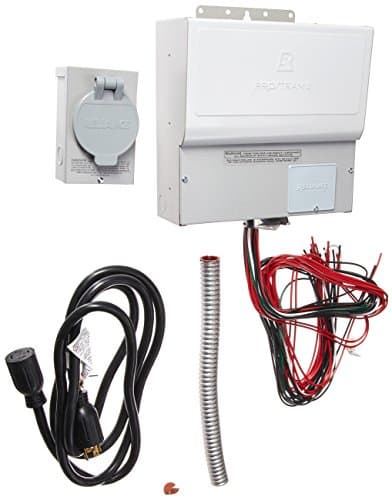
The ten-circuit default
Reliance Controls 310CRK 10-Circuit 30A Kit
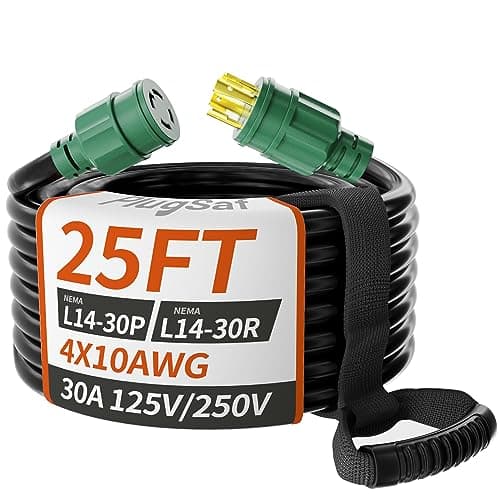
The default generator cord
PlugSaf 25 ft 30A L14-30 Cord, 10 AWG
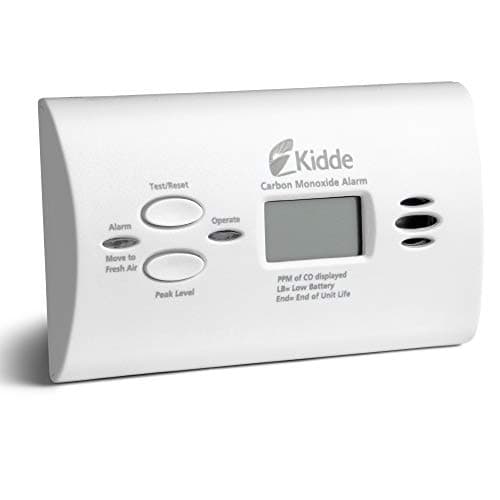
The one accessory nobody should skip
Kidde KN-COPP-B-LPM Battery CO Alarm
A 10-circuit 30 A transfer switch, a 25 ft 10 AWG L14-30 cord and a battery CO alarm. A remote start earns its keep only on a machine that is already positioned, connected and fueled — which means the connection hardware is part of the same purchase.
In short
Our recommendation
Best Remote Start
9.0/10Champion 11,000W Remote Start Inverter
A quiet, well-documented 9,000-running-watt inverter whose Cold Start Technology is more useful than the spec sheet suggests — but it only runs on gasoline.
Runner-up
9.5/10Westinghouse WGen10500DFc 13,500W Dual Fuel
The WGen9500DF with the two things it is missing fixed: more running watts and a CO shutdown, at a higher price.
#ad Price as of November 19, 2026; it may have changed since. How we are funded.
Brands: want your product tested? For Brands.
Questions people actually ask
What is the best generator with remote start?
The Champion 11,000 W inverter, because it is the only machine here that publishes its remote range — wireless start from up to 80 feet — alongside 9,000 running watts, 64 dBA at 23 feet and Cold Start Technology. For dual fuel with a key fob, the Westinghouse WGen10500DFc at 10,500 running watts is the better backup machine.
How far away does a generator remote start work?
Champion publishes up to 80 feet for its wireless remote. Every other machine in this registry states that a key fob or remote is included without publishing a working distance, so plan for line-of-sight from a door rather than from an upstairs room unless the manufacturer says otherwise.
Is remote start the same as automatic start?
No. Remote start means you press a fob; the generator still waits for you. Automatic start means the generator senses the outage and runs without you, which is a feature of permanently installed standby systems with an automatic transfer switch, not of portable generators.
Do I still have to go outside with a remote start generator?
To connect the cord and throw the transfer switch, yes — unless the machine is left staged and plugged in, which is how most owners run it. What the remote removes is the recoil cord and the fumbling in the dark, which is the part people actually dread.
Why won't my generator's remote start work?
Almost always the starting battery. A small lead-acid battery left at partial charge for a year sulfates and will not turn the engine, even though the fob is transmitting. Exercise the machine monthly, keep the battery on a tender or trickle charger, and change the fob's own battery annually.
Is remote start worth paying extra for?
On a machine you intend to leave staged and connected for storm season, yes — it converts a cold, wet, two-handed job into a button press at the moment you least want to be outside. On a generator stored in a shed under a tarp, you are paying for a feature the situation will not let you use.
Sources
- Eugene Water & Electric Board — Generator Sizing ConsiderationsPublished appliance running and additional-starting watt figures used in the sizing arithmetic on this page.
- US Consumer Product Safety Commission — Portable Generator Information CenterThe placement and carbon monoxide guidance every generator page on this site links to.
Read next
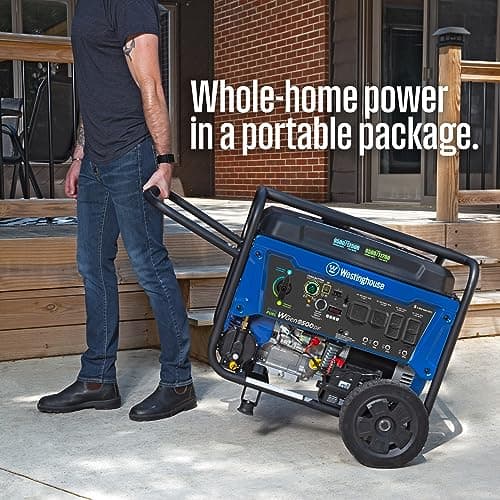
Best Overall Home Backup
The Best Home Backup Generators
Nine conventional-frame generators ranked for whole-house backup, with per-fuel running watts and transfer-switch fit.
Top pick · Westinghouse WGen9500DF 12,500W Dual Fuel
$999.00See the WGen9500DF 12,500W Dual Fuel on Amazon
Guide
Generator Maintenance Schedule
A maintenance schedule built around the real failure mode of a standby-duty generator: fuel, battery and the quarterly test run.
Guide
Winter Storm Power Outage Checklist
Before-the-storm and during-the-storm checklists for a winter outage, with the pipe-freeze risk front and center.
Comparison
Portable vs Standby Generator
Portable against permanently installed standby generators, and where the top of the portable range starts to overlap.
Guide
Generator Won't Start: What to Check
A generator that will not start, diagnosed in order: the switches, the fuel, the oil shutdown, the battery and the carburetor.