Outage Prep
Generator Won't Start: What to Check
Nine times out of ten the machine is fine and the fuel is not. Work through it in this order.
Written byMike M.
Published
Disclosure: we earn a commission on purchases made through links on this page, at no cost to you. It does not affect what we recommend or what we say about it — how we are funded.
The short answer
- 1Check the three switches. Fuel valve open, engine switch on, choke closed for a cold start. This is the most common cause and the least satisfying.
- 2Check the oil level. Low-oil shutdown stops the engine before it will start, and a generator on a slope reads low.
- 3Suspect the fuel. If it has sat for a year, the gasoline is the problem — drain it and try fresh.
- 4Check the battery, on electric-start machines, then try the recoil pull start if it has one.
- 5If it fires and dies, or will not fire on fresh fuel, the carburetor is varnished. That is a service job, not a driveway fix.
The defining fact about a backup generator is that it sits. It might accumulate ten hours in a year and spend the rest of it switched off in a shed, which means almost every no-start has the same root cause: something degraded while nothing was happening. Work the list in order — it is sorted by how often each cause turns out to be the answer, not by how plausible it feels at the time.
1. The switches, which is genuinely most of it
A portable generator typically has three controls that all have to be in the right position, and because you touch them once a year, muscle memory never forms.
The three positions
- Fuel valve
- Open
- Engine / ignition switch
- On, or Run
- Choke
- Closed for a cold engine
- Fuel selector, on dual fuel
- Matching the fuel you connected
Generic positions — your machine's labeling and sequence are in its manual. On dual fuel machines the selector is the one that catches people: it is a third position to get wrong, and a propane hose on a machine set to gasoline does nothing.
On dual fuel machines there is usually a starting sequence too — often starting on gasoline and switching, or opening the tank valve before cranking. If your machine ran on propane last time and you have since connected a gasoline can, the selector is the first thing to look at.
2. The oil level and the shutdown that enforces it
Almost every portable generator has an automatic low-oil shutdown, and its job is to prevent the engine from running — including from starting — when the level is below the threshold. That makes a low oil level present as a dead machine rather than as a warning.
Two things make this more common than it sounds. Oil is consumed slowly over running hours, so a machine that ran through a three-day outage last winter may genuinely be low now. And the sensor reads the level where the engine is sitting, so a generator parked on a sloped driveway can read low while being fine on level ground. Check it on the level, engine off, after a minute for the oil to drain back.
3. The fuel, which is the real answer most of the time
If the machine has been sitting for a year with gasoline in it, stop diagnosing and start there. Ethanol-blended gasoline draws moisture from the air, oxidizes and deposits gums and varnish in the carburetor's very small passages. Twelve months is enough. The engine is not damaged — the fuel path is obstructed and the fuel itself has lost its volatility.
| Symptom | Likely cause | What to try |
|---|---|---|
| Cranks, never fires | No fuel reaching the carburetor, or dead stale fuel | Fresh fuel, check the valve and any inline filter |
| Fires and dies immediately | Varnished carburetor, or choke released too early | Hold the choke longer; then suspect the carburetor |
| Runs rough, will not hold load | Partially clogged jets | Carburetor service |
| Starts on propane, not gasoline | Confirms the fuel path, not the engine | The gasoline side needs cleaning |
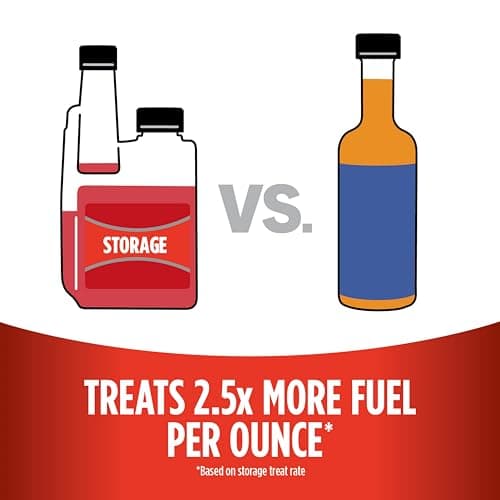
Drain the old gasoline into a proper container, put in fresh, and try again. If it then starts and runs, you have both diagnosed and fixed it — and the lesson is to stabilize the fuel next time. STA-BIL's storage product states it keeps gasoline fresh for up to 24 months and ensures quick starts for stored equipment, which is the specific failure this whole section describes.
4. The battery, then the pull cord
On an electric-start machine, a slow lazy crank or a click and nothing is a battery, not an engine. Lead-acid batteries self-discharge in storage and lose capacity in cold, so a battery that was adequate in October is often dead in January — this is the second most common no-start after fuel.
The useful move here is the one people forget: most electric-start portable generators also have a recoil pull start as a backup. Westinghouse publishes remote key-fob start, electric start and recoil backup together on the WGen9500DF for exactly this reason. If it pulls over and runs, your problem is a battery and your power is back on while you deal with it.
5. Spark, compression and the carburetor
If it cranks healthily on fresh fuel with the switches right and still will not fire, you are into the three mechanical possibilities: no spark, no compression, or a fuel path that is blocked rather than merely stale.
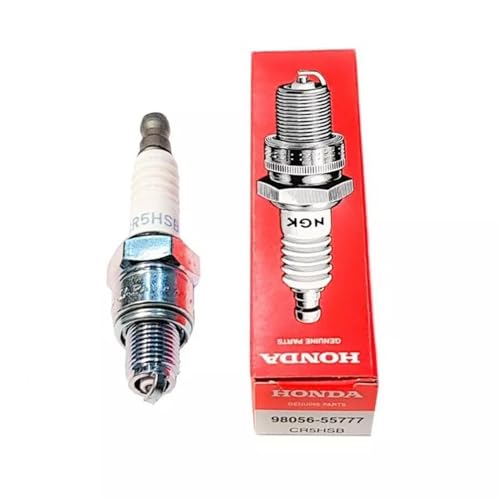
A fouled or worn spark plug is cheap and easy and worth replacing on principle at this point — a model-specific tune-up kit bundles the plug with the air filter so you are not sourcing parts individually. Honda's EU2200i kit, for instance, publishes the Honda part numbers for both filters along with the plug and a bottle of oil.
A varnished carburetor is where the driveway diagnosis ends. Cleaning one means removing it, disassembling it, cleaning the jets and the bowl and reassembling it with a gasket set. It is a legitimate home job if you are comfortable with small engines and a bad idea to attempt for the first time during an outage. Which is the practical argument for the whole of this page: the fix is maintenance you do in advance, not repair you do in the dark.
What prevents the no-start you just had
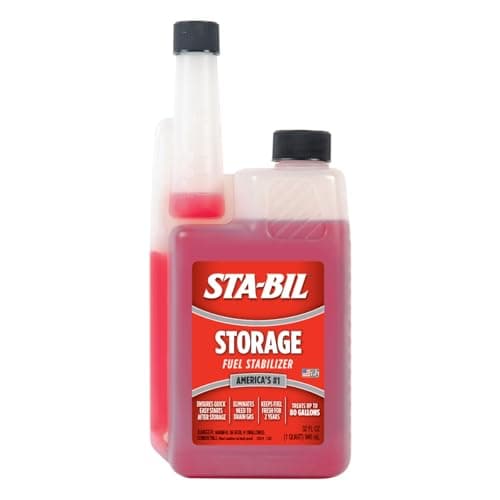
Keeping stored gasoline usable
STA-BIL Storage Fuel Stabilizer, 32 oz
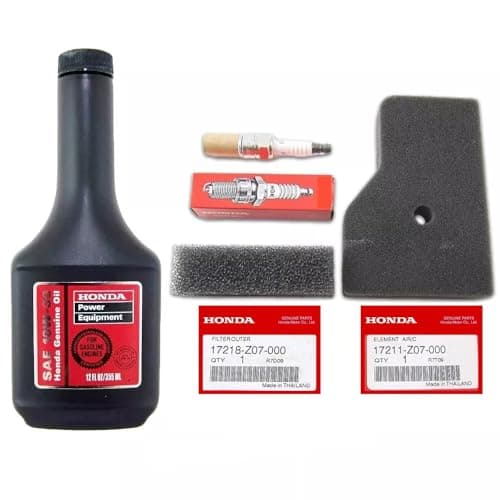
Honda EU2000i / EU2200i servicing
Honda EU2200i Tune-Up Kit
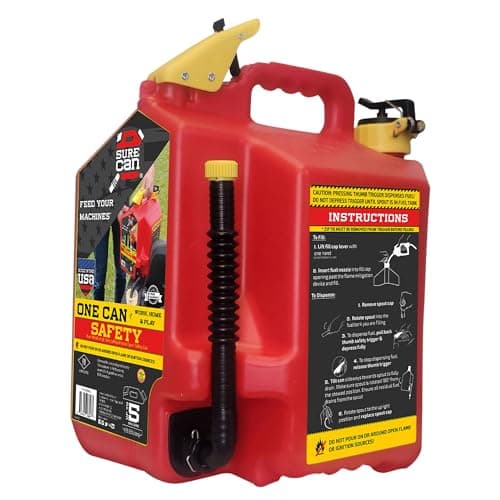
Pouring without lifting and tilting
SureCan SureCan 5 Gallon, Rotating Spout
Stabilizer in every fill, a model-specific tune-up kit so the plug and filters are already on the shelf, and a self-venting can so rotating stored fuel annually is not a chore you skip.
The version of this problem that does not exist
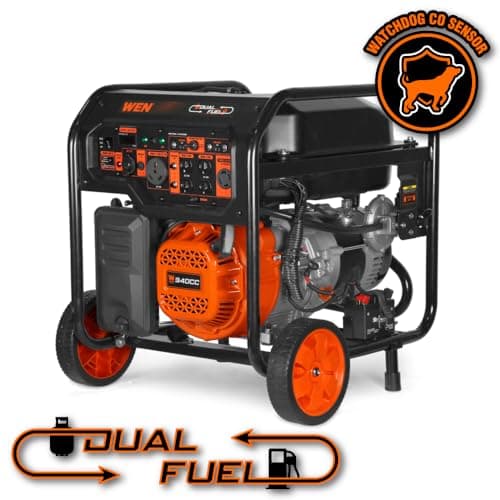
Everything above is downstream of gasoline. A dual fuel generator run and stored on propane has no stale-fuel failure mode: propane does not oxidize, absorb moisture or leave varnish. For a machine that sits unused eleven months a year, that is the single strongest practical argument for dual fuel, and it is why so many no-start stories end with somebody discovering their machine runs fine on the propane side.
If you take one thing from this page, take the habit rather than the diagnosis: run the machine under load for half an hour every few months. It circulates fresh fuel, charges the battery, and converts this entire troubleshooting exercise into something you do on a convenient afternoon instead of during an outage.
Most of the causes on this page are storage failures rather than faults: how long do portable generators last ranks them in order of how often they end a machine, and how to break in a new generator covers getting a new one right from the first hour.
One symptom on this page is not actually on it. If the engine starts and runs normally but the outlets are dead, that is a different fault with a different list — generator runs but no power works through it in order, and the first five checks are free.
Questions people actually ask
Why won't my generator start after sitting?
Almost always stale fuel. Ethanol-blended gasoline draws in moisture, oxidizes and leaves gums and varnish in the carburetor's small passages, and about twelve months is enough to do it. Before assuming that, check the fuel valve, the engine switch, the choke and the oil level — those account for a surprising share of no-starts.
My generator cranks but won't start. What should I check?
In order: fuel valve open, engine switch on, choke closed, correct fuel selector on a dual fuel machine, oil level checked on level ground, then the fuel itself. If it cranks healthily on fresh fuel with everything set correctly and still will not fire, you are looking at spark or a blocked carburetor.
Why does my generator start and then die?
Classically a varnished carburetor — enough fuel in the bowl to fire once, not enough flow to keep running. The other common cause is releasing the choke too early on a cold engine. Try holding the choke longer first, because it costs nothing, then suspect the carburetor.
Can old gas stop a generator from starting?
Yes, and it is the leading cause. Gasoline loses volatility and deposits varnish in the fuel path as it ages, and ethanol blends can separate and hold water. Drain it, put in fresh fuel, and stabilize it next time — STA-BIL states its storage product keeps gasoline fresh up to 24 months.
My generator won't start with electric start. What now?
Try the recoil pull start — most electric-start portable generators have one as a backup, and Westinghouse publishes electric start with recoil backup on the WGen9500DF. If it pulls over and runs, your problem is the starting battery, which self-discharges in storage and loses capacity in cold weather.
How do I stop my generator from failing to start next time?
Run it under load for about half an hour every few months, add stabilizer to every fill of gasoline, and either run the carburetor dry or store it full and treated. On a dual fuel machine, running and storing it on propane removes the stale-fuel failure mode entirely.
Sources
- US Consumer Product Safety Commission — Portable Generator Information CenterThe placement, never-indoors and CO-alarm guidance this site repeats on every generator page.
- Ready.gov — Power OutagesFederal preparedness guidance on outage planning referenced in the checklist sections.
Read next
Guide
Generator Runs But There Is No Power
The engine runs and the outlets are dead: the checks in order, from the breaker and GFCI to eco mode, the cord and finally the alternator.
Guide
Generator Maintenance Schedule
A maintenance schedule built around the real failure mode of a standby-duty generator: fuel, battery and the quarterly test run.

Guide
Generator Fuel Storage and Stabilizer
Fuel degradation, stabilizer shelf-life claims, safe storage quantities and containers, and the propane alternative.
Guide
How to Store a Generator When Not in Use
Storing a generator so it starts: the fuel decision, the battery, the cover, and the long-term versus between-storms distinction.
Guide
What Oil Does a Generator Take?
Generator oil by viscosity and temperature from published small-engine guidance, plus why a standby machine's interval runs on the calendar.
Guide
Is a Dual Fuel Generator Worth It?
The real argument for dual fuel — fuel storage, not running cost — plus the honest case against it.