Outage Prep
Do I Need to Ground My Generator?
Plugging appliances into the generator and feeding your house through a transfer switch have different answers. That is the whole confusion.
Written byMike M.
Published
Disclosure: we earn a commission on purchases made through links on this page, at no cost to you. It does not affect what we recommend or what we say about it — how we are funded.
The short answer
If you are only plugging cord-connected equipment into the generator's own receptacles, OSHA's published guidance is that the generator frame need not be grounded and may serve as the grounding electrode — provided the engine, fuel tank and housing are bonded to the frame and the receptacles' equipment grounding terminals are bonded to it too, which is how portable generators are manufactured. If the generator feeds a building through a transfer switch, OSHA states it must be connected to a grounding electrode system such as a driven ground rod.
Almost every argument about generator grounding happens because two different people are describing two different installations. One is running a cord to a refrigerator. The other is feeding a house panel. Those genuinely have different requirements, and once you separate them the subject stops being confusing.
Case one: cords plugged into the generator
This is how most people use a portable generator most of the time — a cord from the generator's receptacle to an appliance, or to a power strip. OSHA's published guidance covers it directly: under these conditions the frame of a portable generator need not be grounded and may serve as the grounding electrode for the system the generator supplies.
The conditions OSHA states for the frame to suffice
- Load type
- Equipment on the generator, or cord-and-plug through its own receptacles
- Engine and tank
- Bonded to the frame
- Generator housing
- Bonded to the frame
- Receptacle ground terminals
- Bonded to the frame
OSHA's published conditions, linked in full below. Every portable generator sold in the US is manufactured this way, which is why no ground rod is required for cord-connected use.
In other words: the frame is the ground. The generator is a self-contained electrical island, nothing is referenced to earth, and a fault inside a plugged-in appliance returns through the cord's ground conductor to the frame where the fault protection can act on it. Driving a rod into the lawn adds nothing to that path.
If your manual says otherwise, follow the manual. Manufacturers occasionally specify a ground connection for their own reasons and that instruction is binding on the warranty regardless of what the general case allows.
Case two: feeding the house through a transfer switch
This is where the answer changes, and OSHA is explicit about it: if the portable generator is providing electric power to a structure by connection via a transfer switch to a structure — a home, office, shop, trailer or similar — it must be connected to a grounding electrode system, such as a driven ground rod. OSHA also states that where the generator is used as the power source in a separately derived system, bonding the neutral conductor to the generator frame is not optional.
| How you are using it | Grounding electrode required? | Who decides the details |
|---|---|---|
| Cords into the generator's receptacles | No, per OSHA conditions above | Your manual, if it says otherwise |
| Feeding a structure via a transfer switch | Yes, per OSHA | Your electrician and local inspector |
| Separately derived system | Neutral bonded to frame, not optional | Your electrician |
The practical consequence is reassuring rather than daunting. If you are having a transfer switch or an interlock kit installed — which in most US jurisdictions you are required to, because it is permanent wiring on the supply side of your panel — the grounding and bonding arrangement is part of that installation, and the electrician doing it handles it against your local code. It is not a separate project you have to research and execute.
Bonded neutral and floating neutral, briefly
You will run into these two terms, and they are the reason the transfer switch case has details at all. A bonded-neutral generator has its neutral tied to the frame internally. A floating-neutral generator does not. Which one you have affects how the neutral is handled where the generator connects to the house, because a system can only have the neutral bonded to ground at one point — bonding it in two places creates parallel return paths and can defeat fault protection.
WEN publishes a bonded-neutral configuration for the DF680iX, for example, and states it provides low-power Level 2 EV charging — a specification that exists precisely because the neutral arrangement matters for what you can connect it to. Your generator's manual states which type it is, and your electrician needs to know before wiring the switch. That is the entire extent to which you need to care about it.
The connection hardware this applies to
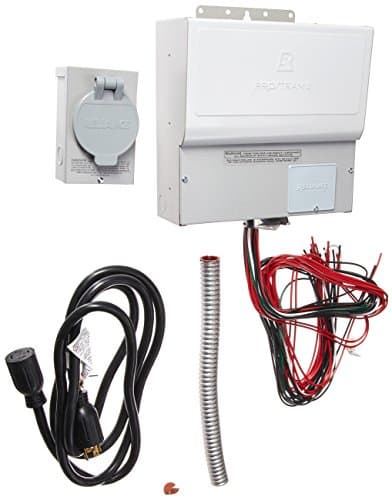
The ten-circuit default
Reliance Controls 310CRK 10-Circuit 30A Kit
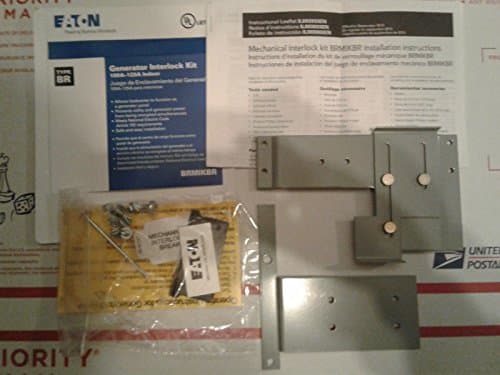
Factory kit that satisfies inspectors
Eaton BRMIKBR Factory Interlock Kit 100-125A
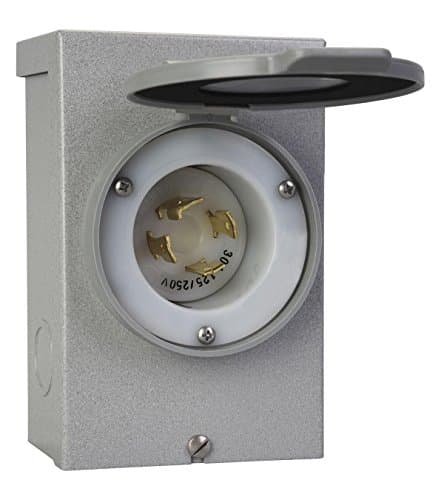
The standard 30A inlet
Reliance Controls PB30 30A Power Inlet Box
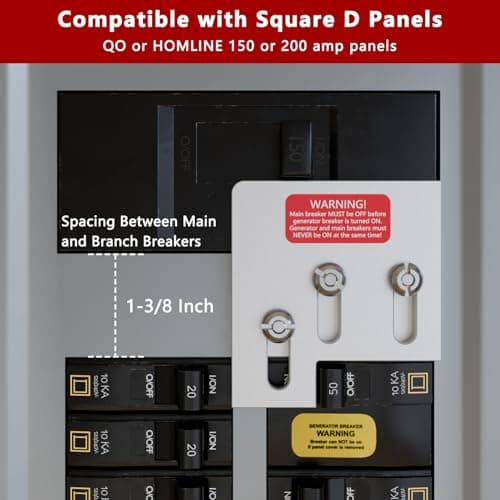
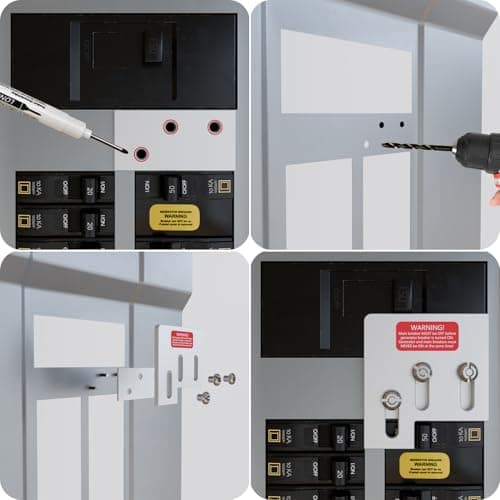
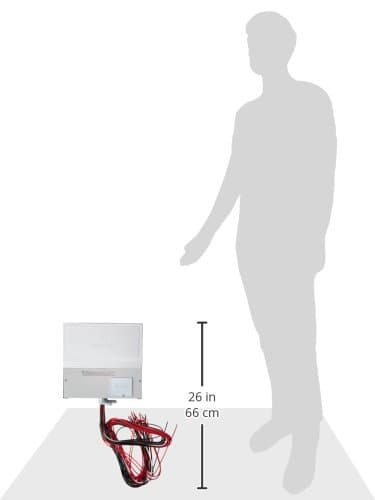
A manual transfer switch, a factory interlock kit the manufacturer states meets NEC Article 702, and a NEMA 3R power inlet box. In every case the grounding arrangement is part of the installation your electrician performs.
What a ground rod does not do
Two beliefs about ground rods are worth retiring, because they lead people to skip things that actually matter.
- A ground rod is not shock protection for the person using the generator. The ground conductor in the cord and the receptacle's fault protection do that job. Earth is a poor conductor and a rod is not a safety net for a human in a fault path.
- A ground rod does nothing about back-feeding. The hazard of energizing the utility feed from your generator is solved by a transfer switch or an interlock kit, which make it physically impossible for both supplies to be connected at once — not by a connection to earth. The dangers of back-feeding covers that in full.
And one thing a rod is genuinely bad at: being driven into frozen ground at night during a storm. If your installation needs a grounding electrode, it gets installed when the switch does, in daylight, by the person pulling the permit.
Questions people actually ask
Do I need to ground my portable generator?
Not for cord-connected use. OSHA's published guidance is that the frame need not be grounded and may serve as the grounding electrode when the generator supplies only equipment mounted on it or cord-and-plug equipment through its own receptacles, with the engine, tank, housing and receptacle ground terminals bonded to the frame — which is how portable generators are built.
Do I need to ground my generator when using a transfer switch?
Yes. OSHA states that a portable generator providing power to a structure through a transfer switch must be connected to a grounding electrode system, such as a driven ground rod. In practice this is handled by the electrician installing the switch, against your local adopted code.
How do you ground a generator without a ground rod?
For cord-connected use you do not need one — the frame serves as the grounding electrode under OSHA's stated conditions. If your installation does require a grounding electrode, substituting something else is not a homeowner decision; it is specified by your local code and the electrician performing the work.
What is the difference between bonded neutral and floating neutral?
A bonded-neutral generator has its neutral tied to the frame internally; a floating-neutral generator does not. It matters because a system should have the neutral bonded to ground at only one point, so which type you have affects how the neutral is handled where the generator connects to the house. Your manual states which it is.
Does grounding a generator prevent back-feeding?
No. Back-feeding — energizing the utility feed from your generator and endangering line workers — is prevented by a transfer switch or an interlock kit that makes both supplies physically impossible to connect at once. A connection to earth does nothing about it.
Does a ground rod protect me from shock?
Not meaningfully. The equipment grounding conductor in the cord and the receptacle's fault protection are what act on a fault. Earth is a poor conductor, and a rod is not a safety net for a person in a fault path.
Sources
- OSHA — Grounding Requirements for Portable GeneratorsThe published conditions under which a generator frame may serve as the grounding electrode, the transfer-switch grounding-electrode requirement, and the neutral-bonding statement quoted on this page.
- US Consumer Product Safety Commission — Portable Generator Information CenterThe placement, never-indoors and CO-alarm guidance this site repeats on every generator page.
Read next
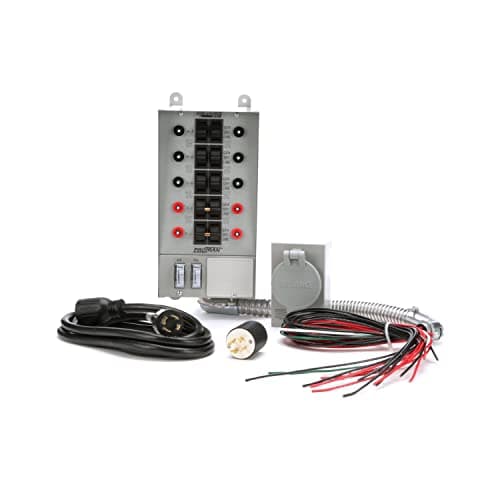
Guide
How Transfer Switch Installation Works
What a transfer switch installation involves, what drives the quote, and the decisions to make before the electrician arrives.
Guide
The Dangers of Back-Feeding a Generator
What back-feeding does electrically, why it is lethal to line workers, and the inexpensive compliant alternatives.
Guide
How to Run Your House on a Generator
Connection options ranked, the correct start-up sequence, load management, and the back-feeding practice to never attempt.
Guide
What Size Breaker for a Generator?
Generator breaker sizing from the connection rather than the engine, with published inlet ratings and the wire-gauge relationship.
Best Transfer Switch
The Best Generator Transfer Switches
Transfer switches ranked on circuit count, amp rating and kit completeness, from 6-circuit 30A to 10-circuit 50A.
Top pick · Reliance Controls 310CRK 10-Circuit 30A Kit
$474.86See the 310CRK 10-Circuit 30A Kit on Amazon