Transfer Switches & Connection
Do I Need a Transfer Switch for a Generator?
Only if you want to power anything that is wired into the house. For extension cords to a fridge, no — and that is a legitimate plan.
Written byMike M.
Published
Disclosure: we earn a commission on purchases made through links on this page, at no cost to you. It does not affect what we recommend or what we say about it — how we are funded.
The short answer
You need a transfer switch — or an interlock kit, which does the same job differently — for anything wired into the house: a furnace, a well pump, a sump pump, ceiling lights, wall outlets. You do not need one to run extension cords from the generator to individual appliances, which is a perfectly legitimate way to keep a refrigerator and some lamps alive. What is never acceptable is back-feeding a dryer or range outlet with a double-ended cord: that energizes your house wiring with no isolation from the utility feed and can kill a line worker restoring your power.
The question gets muddled because "do I need" has two readings — is it legally required, and is it necessary to get what I want. Both answers are below, and they point the same way.
What a transfer switch actually does
One job: it makes it physically impossible for your generator and the utility to feed the same wires at the same time. That matters in both directions.
- Outward. Without isolation, your generator pushes power back through your service drop and up the utility's transformer, which steps it up to thousands of volts on the line a crew is working on. They have de-energized that line and have no reason to expect it to be live.
- Inward. When the utility comes back on while your generator is still running, the two sources collide. The result is a destroyed generator at best and a fire at worst.
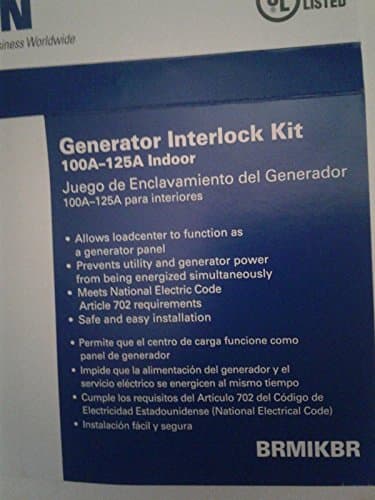
- Legally. Permanent wiring on the supply side of a panel is licensed work in most US jurisdictions, and the code basis for connecting an optional standby source is National Electrical Code Article 702 — which Eaton cites directly in the published listing for its own interlock kit.
The dangers of back-feeding sets out the hazard in full. It is the single most important page on this site.
The three legal ways to connect a generator to a house
| Method | What it powers | Relative cost | Who installs it |
|---|---|---|---|
| Manual transfer switch | A selected set of circuits — typically 6 or 10 | Highest hardware cost | Electrician, permit, inspection |
| Interlock kit | The whole panel, with you managing the load | Lowest hardware cost | Electrician, permit, inspection |
| Inlet box + switch or interlock | The connection point for either method above | Added to either | Electrician |
| Extension cords | Individual appliances only — nothing hard-wired | Cord only | You |
The two real choices are therefore the switch and the interlock, and they differ in philosophy rather than safety. A transfer switch chooses the circuits for you at install time — those ten breakers, and nothing else, with the generator's capacity divided among them. An interlock kit energizes the whole panel and leaves you to decide which breakers to switch on, which is cheaper and asks more of you. Interlock kit versus transfer switch compares them properly, and manual versus automatic transfer switch covers the next question up.
When you genuinely do not need one
If your outage plan is a refrigerator, a chest freezer, a few lamps, the router and some device charging, extension cords from the generator do all of that, cost nothing beyond the cords, and need no electrician. This is the right answer for a lot of households and nobody selling transfer switches will tell you so.
What cords cannot do is reach anything that has no plug. That list is short and it is the list that matters in a long outage: the furnace or boiler, the well pump, the sump pump, the water heater, lighting circuits and wall outlets. If your must-run list contains any of those, you need a switch or an interlock.
Which side of the line are you on?
- Fridge, freezer, lamps, devices
- Cords are enough
- Furnace or boiler blower
- Switch or interlock
- Well pump or sump pump
- Switch or interlock
- Lighting and wall circuits
- Switch or interlock
- Anything 240 V
- Switch or interlock
A cord plugs into a receptacle. Everything in the lower four rows is wired into the panel and has no plug to use, which is the whole distinction — it is about how the appliance is connected, not how much power it draws.
What the connection needs besides the switch
Three parts, and people routinely budget for one. The switch or interlock itself, an inlet box on an exterior wall so the cord does not run through a window, and a cord of the right gauge and connector. A 30 amp connection wants 10 AWG conductors; generator cord gauge guide has the table, and can you use a regular extension cord answers the question people ask next.
The two routes, with the hardware each needs
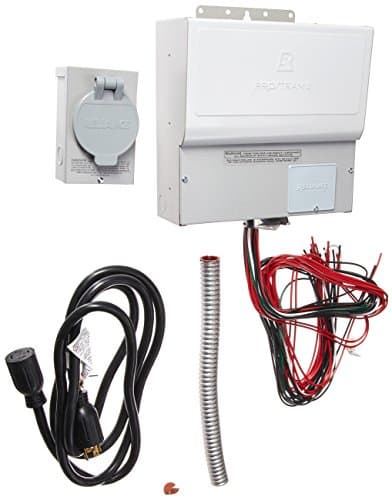
The ten-circuit default
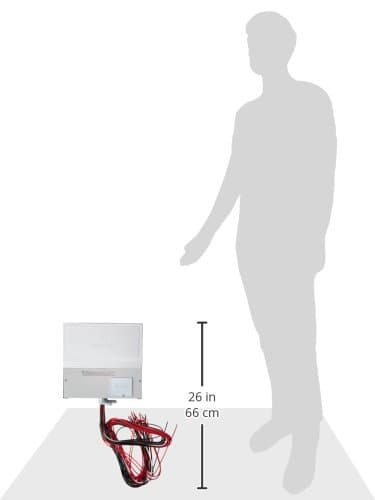
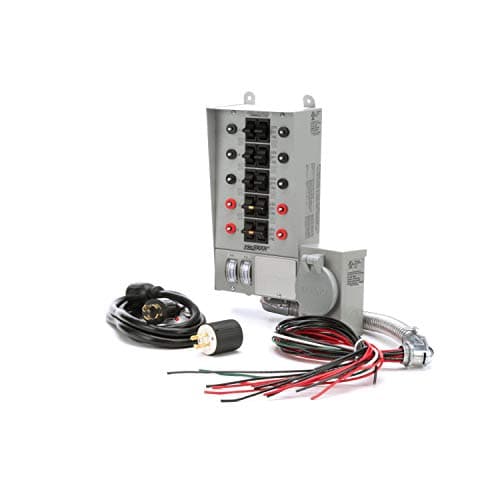
Reliance Controls 310CRK 10-Circuit 30A Kit
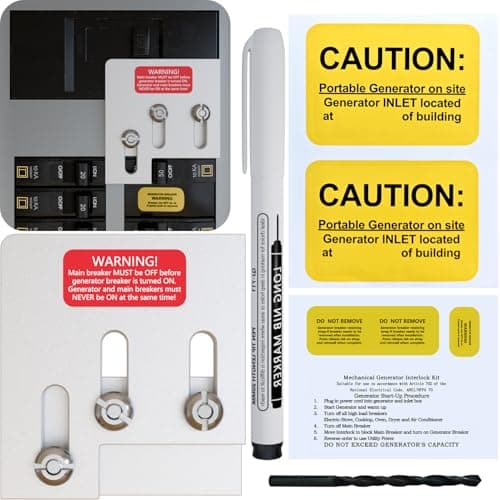
Square D QO and Homeline, 150-200A
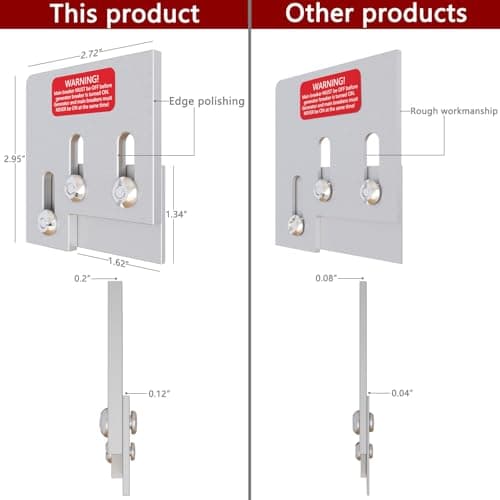
SPZOCE Interlock Kit — Square D QO/Homeline 150/200A
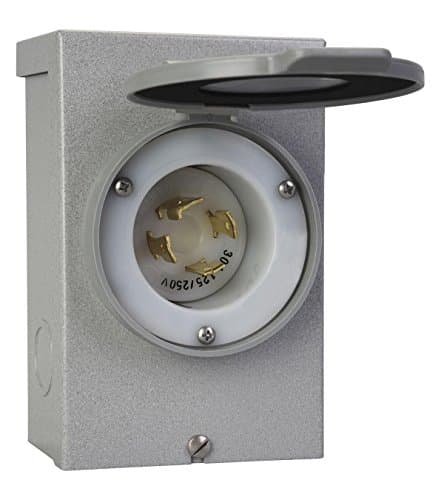
The standard 30A inlet
Reliance Controls PB30 30A Power Inlet Box
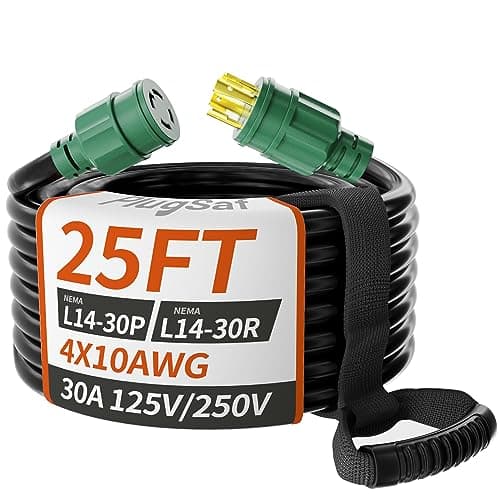
The default generator cord
PlugSaf 25 ft 30A L14-30 Cord, 10 AWG
A 10-circuit 30 A manual transfer switch kit, or an interlock plate for Square D QO and Homeline 150-200 A panels — measure your breaker spacing before ordering, because fit is decided by millimeters. Both routes need an inlet box, published NEMA 3R for generators up to 7,500 running watts, and a 25 ft 10 AWG L14-30 cord.
The best generator transfer switches and the best generator interlock kits rank both routes, panel compatibility guide is the page that tells you whether an interlock exists for your panel at all, and transfer switch installation cost covers what the electrician's half comes to.
Permits, inspections and your insurance
In most US jurisdictions this work needs a permit and an inspection, and there are two reasons to want both rather than resent them. The inspector catches the mistakes that recreate the back-feed hazard — a bonded neutral where a floating one belongs, an interlock plate that does not actually prevent both breakers being on. And an unpermitted alteration to your service equipment is the kind of thing an insurer looks for after a fire.
Are interlock kits legal covers the code question for the cheaper route, including why some inspectors insist on the panel manufacturer's own kit rather than a third-party plate.
Questions people actually ask
Do I need a transfer switch for a portable generator?
For anything hard-wired into the house — furnace, well pump, sump pump, lighting circuits, wall outlets — yes, either a transfer switch or an interlock kit. For extension cords running to individual appliances, no. The distinction is how the appliance is connected, not how much power it uses.
Can I connect a generator to my house without a transfer switch?
Only with extension cords to individual appliances. Back-feeding a dryer or range outlet with a double-ended cord is not an alternative: it energizes your house wiring with no isolation from the utility, endangers line workers, bypasses fault protection and leaves live pins exposed.
Is an interlock kit as good as a transfer switch?
It is as safe, when correctly installed and matched to your panel, and it is cheaper. The difference is behavior: an interlock energizes the whole panel and leaves you to manage the load by switching breakers, while a transfer switch pre-selects a set of circuits. Panel fit decides whether an interlock is even an option for you.
Does a transfer switch need a permit?
In most US jurisdictions, yes — it is permanent wiring on the supply side of your panel, which is licensed work needing a permit and an inspection. Beyond the legal position, the inspection is what catches the errors that recreate the hazard the equipment exists to prevent.
How many circuits do I need on a transfer switch?
Count the hard-wired loads you must run: furnace, well pump, sump pump, refrigerator circuit, a lighting circuit or two. Most households land between six and ten, which is why those are the common kit sizes. The generator's capacity, not the switch's circuit count, limits how many you can run at once.
Can I install a transfer switch myself?
We do not publish wiring instructions for it, because in most places it is licensed work on the supply side of your panel and because doing it wrong recreates the back-feed hazard. This site covers what to buy; your electrician installs it and the inspector signs it off.
Sources
- Eaton BRMIKBR Type BR mechanical interlock kit — manufacturer listingManufacturer statement that the kit meets National Electrical Code Article 702 requirements, quoted wherever this page discusses code basis.
- US Consumer Product Safety Commission — Portable Generator Information CenterThe 20-foot placement guidance that sets the minimum practical cord length referenced on this page.
- Eugene Water & Electric Board — Generator Sizing ConsiderationsPublished appliance running-watt figures used when working out how many circuits a household actually needs.
Read next
Connection Comparison
Interlock Kit vs Transfer Switch
Interlock kit against transfer switch on cost, circuit access, load management, panel fit and inspection risk.
Best Transfer Switch
The Best Generator Transfer Switches
Transfer switches ranked on circuit count, amp rating and kit completeness, from 6-circuit 30A to 10-circuit 50A.
Top pick · Reliance Controls 310CRK 10-Circuit 30A Kit
$474.86See the 310CRK 10-Circuit 30A Kit on Amazon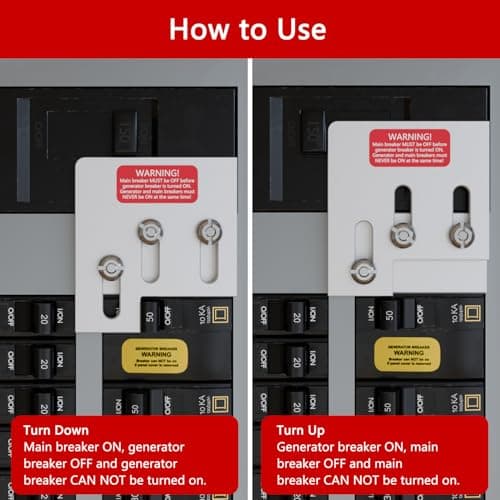
Guide
The Dangers of Back-Feeding a Generator
What back-feeding does electrically, why it is lethal to line workers, and the inexpensive compliant alternatives.
Reference
Are Generator Interlock Kits Legal?
The code basis for mechanical interlocks, why acceptance varies locally, and how to find out before you buy.
Guide
What Transfer Switch Installation Costs
What a transfer switch installation quote consists of, the hardware choices that reduce labor, and how to compare quotes.