Generators
How Long Do Portable Generators Last?
Nobody in this registry publishes a lifespan. What they publish is a warranty — and what ends most generators is not wear at all.
Written byMike M.
Published
Disclosure: we earn a commission on purchases made through links on this page, at no cost to you. It does not affect what we recommend or what we say about it — how we are funded.
The short answer
No manufacturer in this registry publishes a service life in hours for a portable generator, so any specific number you read is someone's estimate rather than a specification. What they do publish is a warranty — three years limited on most Westinghouse, Champion and WEN machines, three years residential on Honda — and a maintenance schedule. In practice a home backup generator does not die of wear, because it accumulates very few hours: it dies of stale fuel, corrosion, a flat starting battery or a single overload.
This matters because the question behind the question is usually "will this still work in ten years?", and the answer depends almost entirely on what you do during the years it is not running. A standby generator exercising weekly and a cabin generator sitting through four winters are the same engine with completely different fates.
What the manufacturers actually commit to
Here is the honest picture from the published listings. The warranty is the only durability commitment any of these brands makes in writing, and it is worth reading as a signal rather than a guarantee.
| Machine | Published warranty | Engine | Published service life |
|---|---|---|---|
| Honda EU2200i | 3-year residential | Honda, CO-MINDER | Not published |
| Westinghouse WGen9500DF | 3-year limited | 457cc OHV, cast-iron sleeve | Not published |
| Champion 11,500 W Dual Fuel | 3-year limited + lifetime technical support | 459cc Champion | Not published |
| WEN 56432i | 3-year | 181cc | Not published |
| WEN 56235i | 2-year | Not published | Not published |
Two things are worth noticing. A cast-iron cylinder sleeve — which Westinghouse publishes on several machines — is a real durability feature: it is the wearing surface the piston rides on, and an iron sleeve outlasts bare aluminum. And an hour meter, published on most machines in this class, is the only way you will ever know how much life you have used.
What actually ends a home backup generator
A machine used for outages might accumulate twenty to fifty hours a year. At that rate wear is not the limiting factor, and the failures are almost all storage failures.
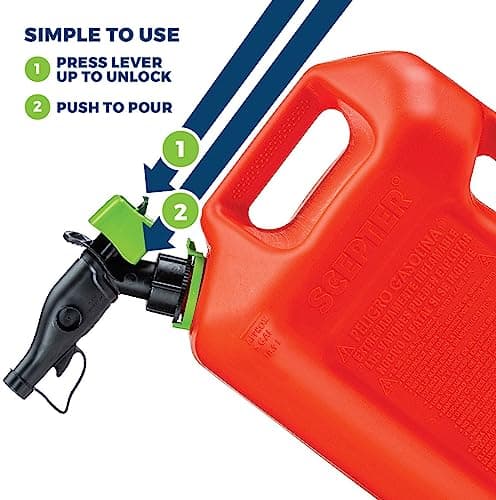
- 1Stale fuel, by a wide margin. Gasoline oxidizes, absorbs water and leaves varnish in the carburetor. The machine that will not start after a year in the shed is the single most common generator complaint, and it is a fuel problem rather than an engine problem.
- 2A dead starting battery. Lead-acid batteries left at partial charge for months sulfate and will not turn an engine. Every electric-start and remote-start machine depends on one.
- 3Corrosion. Damp storage, a steel frame and a steel fuel tank. Rust in the tank ends up in the carburetor; rust on the alternator housing is cosmetic until it is not.
- 4A single overload. Running a machine above its continuous rating, or starting a motor it cannot start, cooks windings and ruins inverter boards. This is the failure that happens in minutes rather than years.
- 5Oil, or the absence of it. These engines hold a very small amount of oil and run hot. Skipping the break-in change and the published intervals is how a generator loses years.
Notice how few of those are about age. Generator won't start works through the first three in diagnostic order, and how to store a generator is the page that prevents them.
What to do about it, in the order that matters
The routine that decides the lifespan
- Monthly
- Run 20-30 minutes under real load
- Every run
- Check oil level before starting
- After break-in
- First oil change at the manual's hour figure
- Annually
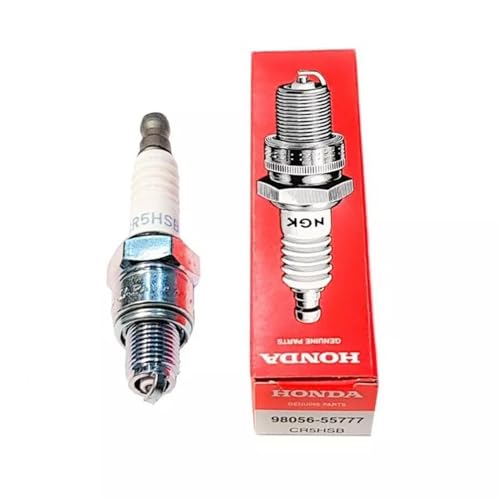
- Oil, air filter, spark plug, fuel rotation
- Storage
- Stabilized fuel or an empty carburetor; battery on a tender
Intervals are this site's consolidated guidance from the maintenance schedules these manufacturers publish; your own manual governs where it is stricter, and the break-in hour figure differs by engine. Nothing here is a measurement of ours.
The monthly exercise run is the highest-value item on that list and the one most owners skip. It circulates oil, dries moisture out of the windings, keeps the carburetor wet with fresh fuel and charges the starting battery — four of the five failure modes above, addressed in half an hour. The generator maintenance schedule is the full version, and how to break in a new generator covers the first few hours, which matter more than any later ones.
Does an inverter generator last as long?
Mechanically, the engines are comparable and the inverter models in this registry tend to run at variable speed under light load, which is easier on an engine than holding 3,600 rpm continuously. What an inverter adds is an electronics failure point an open-frame alternator does not have: a power board that is not field-serviceable and usually not economically repairable out of warranty.
That is the honest trade, and it cuts both ways: quieter, cleaner power and lower fuel use against a part that can end the machine. Inverter versus conventional generators weighs the whole comparison.
What extends a generator's life, cheapest first
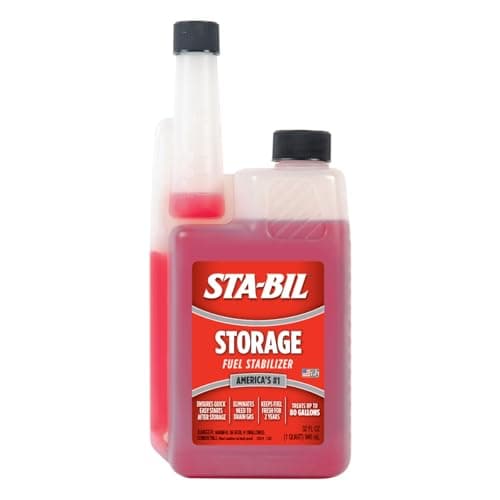
Keeping stored gasoline usable
STA-BIL Storage Fuel Stabilizer, 32 oz
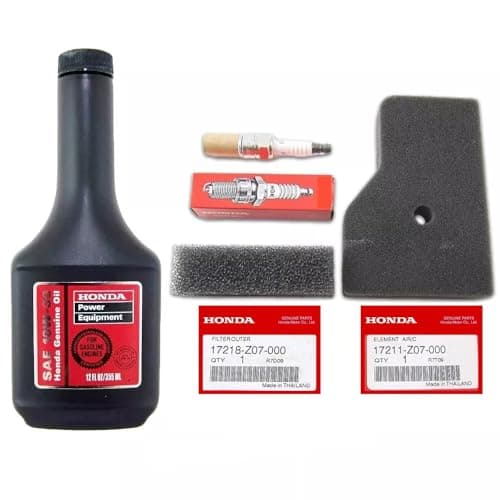
Honda EU2000i / EU2200i servicing
Honda EU2200i Tune-Up Kit
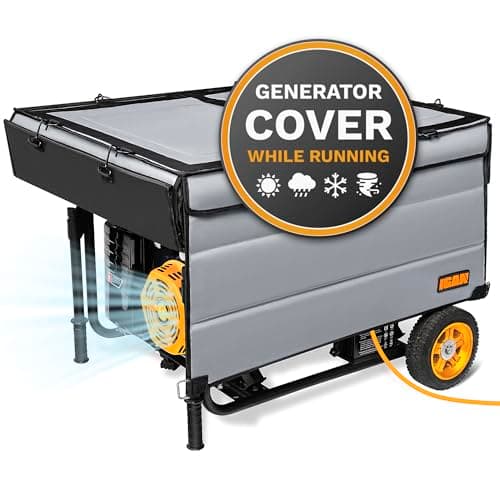
Mid-price running cover
IGAN Running Generator Cover, 3,500-12,000W
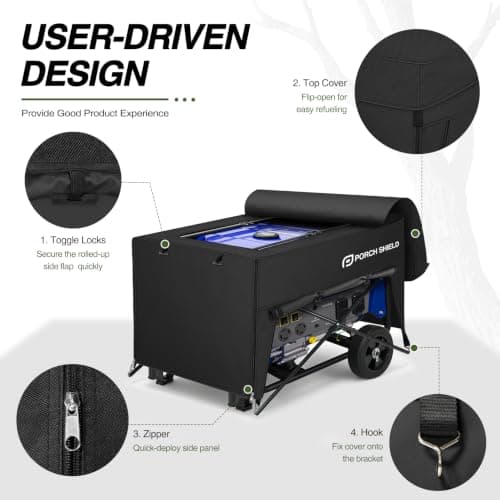
A stabilizer published to keep stored gasoline usable for up to 24 months, a genuine tune-up kit with the plug, both filters and oil for the Honda EU2000i / EU2200i family, and a running cover rated for rain, snow and wind. Buy the stabilizer with the generator — it addresses the failure that ends most machines.
When replacing beats repairing
Two repairs are routinely worth doing on any of these machines: a carburetor clean or replacement, and a starting battery. Both are inexpensive and both fix the most common failures. A seized engine, a burnt stator or a failed inverter board on an out-of-warranty budget machine usually is not worth it — the parts and labor approach the price of a new unit with a fresh warranty and better safety features.
One genuine reason to replace rather than repair: carbon monoxide shutdown. Machines from the last few years publish CO sensors that older ones do not have, and that is a real safety difference rather than a marketing one. If your decade-old generator needs major work, the best home backup generators is where the current machines are ranked.
Questions people actually ask
How long do portable generators last?
No manufacturer in this registry publishes a service life, so there is no honest single number. What decides it for a home backup machine is storage rather than hours: a generator exercised monthly, kept on stabilized fuel with a maintained battery, routinely outlasts an identical machine left untouched in a shed by many years.
How many hours will a portable generator run before it wears out?
None of these manufacturers states an hour figure, and the machines carry hour meters precisely because nobody can tell you in advance. For context, a home backup generator used only for outages may accumulate twenty to fifty hours a year, which is why wear is rarely what ends it.
What kills a generator fastest?
Stale fuel, then a dead starting battery, then corrosion from damp storage, then a single overload, then missed oil changes. Four of those five happen while the machine is switched off, which is why the monthly exercise run matters more than anything you do during an outage.
Is it worth repairing an old generator?
A carburetor clean and a new starting battery are nearly always worth it — they fix the most common failures cheaply. A seized engine, a burnt stator or a failed inverter board on an out-of-warranty budget machine usually is not, because the repair approaches the price of a new unit that also has a CO shutdown.
Do inverter generators last as long as conventional ones?
The engines are comparable, and variable-speed running under light load is gentler than holding full speed continuously. The difference is the power board: an electronics failure point that is not field-serviceable and often not economic to repair once the warranty has expired.
How often should I run a generator that I am not using?
Monthly, for twenty to thirty minutes, under real load rather than at idle. That one habit circulates oil, dries the windings, keeps fresh fuel in the carburetor and charges the starting battery — it addresses most of the ways a stored generator fails.
Sources
- US Consumer Product Safety Commission — Portable Generator Information CenterThe placement and carbon monoxide guidance every generator page on this site links to.
Read next
Guide
Generator Maintenance Schedule
A maintenance schedule built around the real failure mode of a standby-duty generator: fuel, battery and the quarterly test run.
Guide
How to Store a Generator When Not in Use
Storing a generator so it starts: the fuel decision, the battery, the cover, and the long-term versus between-storms distinction.

Guide
Generator Won't Start: What to Check
A generator that will not start, diagnosed in order: the switches, the fuel, the oil shutdown, the battery and the carburetor.
Guide
How to Break In a New Generator
The break-in sequence for a new portable generator in order, why the early oil change matters most, and the mistakes that shorten an engine's life in its first hour.
Guide
What Oil Does a Generator Take?
Generator oil by viscosity and temperature from published small-engine guidance, plus why a standby machine's interval runs on the calendar.