Outage Prep
How to Break In a New Generator
The first few hours matter more than any later ones — and the single most important step happens after you shut it off.
Written byMike M.
Published
Disclosure: we earn a commission on purchases made through links on this page, at no cost to you. It does not affect what we recommend or what we say about it — how we are funded.
The short answer
- 1Add oil before anything else. Most portable generators ship dry or with only shipping oil. Use the grade and quantity your manual specifies and fill to the mark, not above it.
- 2Run it at light load, not no load and not full load, for the period your manual states — typically the first hour or two.
- 3Change the oil early, at the break-in interval in your manual rather than at the normal service interval. This is the step that matters most and the one most owners skip.
- 4Then load it properly — a real test under genuine household load, through your transfer switch if you have one, before you need it.
- 5Record the hours from the hour meter and service it on that schedule from then on.
Break-in is about piston rings seating against the cylinder wall. For the first hours the two surfaces are wearing into each other, and that wear produces fine metal particles which circulate in the oil. Running light keeps the pressures reasonable while it happens; changing the oil early gets the particles out before they do the damage they are capable of.
Your manual governs every number here. Break-in periods and oil specifications vary by engine, none of the listings in this registry publish a break-in interval, and we are not going to invent one — what oil does a generator take covers the grades manufacturers actually specify.
Before the first start
- 1Assemble it fully. Wheel kit, handles, battery terminals on electric-start machines. A generator part-assembled in a garage is a generator that gets moved badly later.
- 2Oil to the mark. Check the level on flat ground with the machine level, and check it again after the first run — a dry engine draws oil into places it was not before.
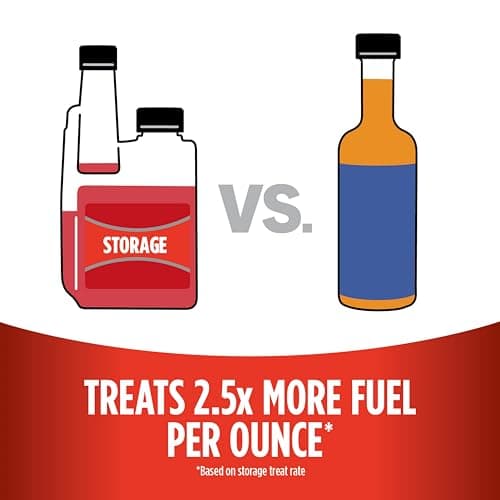
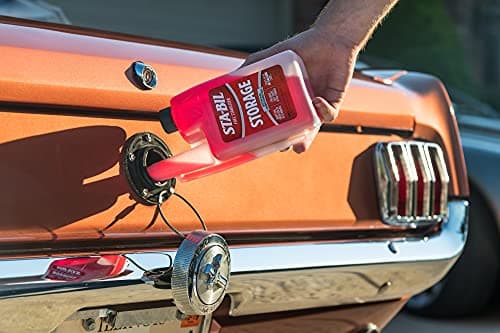
- 3Fresh fuel, treated. Buy fuel the day you intend to run it. If it will sit afterwards, add a stabilizer published to keep gasoline usable for up to 24 months at the time you fill, not months later when it has already begun to degrade.
- 4Charge the starting battery on an electric-start or remote-start machine. A battery shipped at partial charge will not turn an engine well, and a weak first crank is a bad first impression of a perfectly good generator.
- 5Check the fuel selector on a dual or tri fuel machine, and whether your manual specifies a particular fuel for break-in. Follow it if it does.
- 6Site it correctly, from the very first run. Outdoors, well away from every window, door and vent, exhaust pointed away from the house. How far should a generator be from the house has the distances, and they apply to a test run exactly as they do to an outage.
The first run, and what light load means
Light load is roughly a quarter to a half of the machine's running watts — enough that the engine is working rather than idling, not enough to be near its limit. For a 9,500 running watt machine that is around 2,500 to 4,500 watts: a couple of space heaters on separate circuits, or a heater and a few work lights, is a practical way to create it.
A sensible first-run profile
- First 5 minutes
- No load, listen, check for leaks
- Next 30-60 minutes
- 25-50% of running watts
- Vary the load
- Add and remove loads, do not hold one figure
- Avoid
- Extended idling, and anything near full load
- Then
- The break-in oil change from your manual
A practical profile assembled from the maintenance guidance these manufacturers publish, not a figure quoted from a single manual — yours governs where it is more specific. Nothing here is a measurement of ours.
Two things to avoid specifically. Extended idling glazes the cylinder bore on some engines, which prevents the rings ever seating properly — the opposite of what you are trying to achieve. And full load on a new engine is the one thing that can turn a break-in run into a repair.
The early oil change is the whole point
If you do one thing from this page, do this. The oil coming out of a new engine after its first hours is carrying the metal that wore off while the rings seated, and leaving it in there to circulate for another fifty hours is how a generator quietly loses years. These engines also hold very little oil and run hot, so there is nothing to dilute what is in it.
Change it at the interval your manual gives for break-in, not at the normal service interval, and change the filter if the engine has one. From then on the generator maintenance schedule applies, and how long do portable generators last explains why maintenance rather than hours decides a backup machine's lifespan.
Then test it properly, before you need it
Break-in is not the same as commissioning. Once the oil is changed, run the machine the way you intend to use it: connected through your transfer switch or interlock, carrying the actual loads on your must-run list, for long enough to be sure of it. People discover three things at this point, and all three are better discovered now.
- That the cord does not reach, because the generator has to sit much further from the house than they assumed.
- That the load list exceeds the machine, usually because two motors try to start at the same moment. What size generator do I need is the fix, and it is cheaper to find out in October.
- That nobody else in the house knows how to start it. Walk somebody else through the whole sequence while the sun is up.
How to run your house on a generator is the full sequence for an actual outage, and do I need a transfer switch covers the connection if you have not installed one yet.
What to have on hand before the first start
The break-in kit
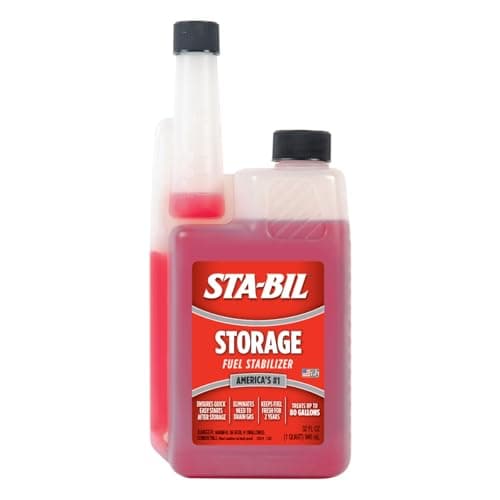
Keeping stored gasoline usable
STA-BIL Storage Fuel Stabilizer, 32 oz
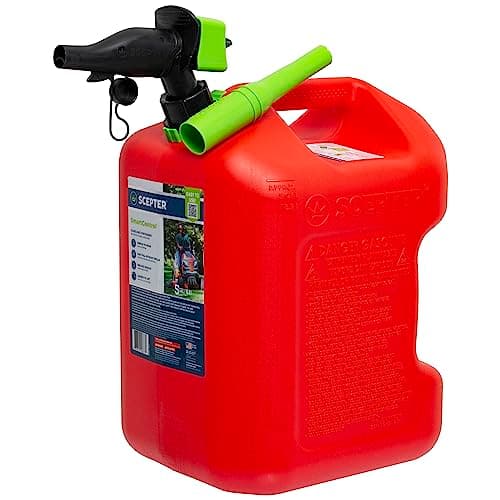
Pouring without spilling
Scepter 5 Gallon Gas Can, SmartControl Spout
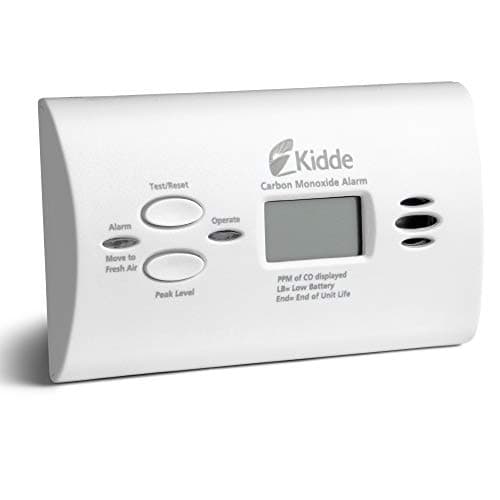
The one accessory nobody should skip
Kidde KN-COPP-B-LPM Battery CO Alarm
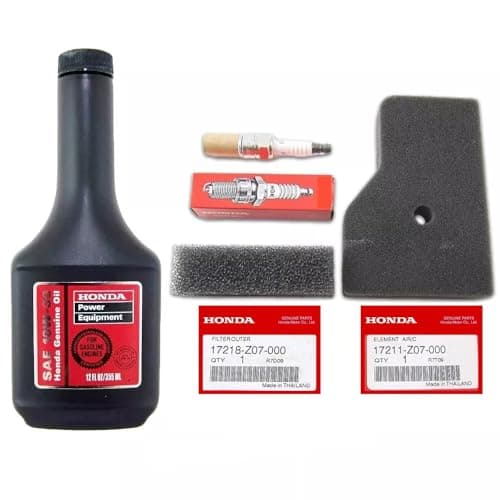
Honda EU2000i / EU2200i servicing
Honda EU2200i Tune-Up Kit
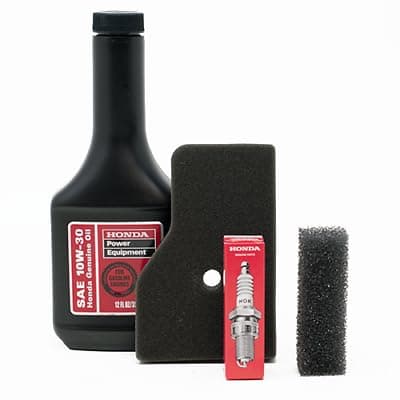
A stabilizer published to keep stored gasoline usable up to 24 months, added when the fuel is fresh; a vented 5-gallon can with a controllable spout, because refueling is the genuinely dangerous part of generator ownership; a battery CO alarm for indoors from the very first run; and, for a Honda EU2000i or EU2200i, the genuine tune-up kit with the plug, both filters and a bottle of 10W30 for the break-in change.
Oil is the one consumable we cannot recommend generically, because the grade is engine-specific — your manual names it, and what oil does a generator take explains how to read that specification and what the ambient-temperature tables mean.
Questions people actually ask
How do you break in a new generator?
Fill it with the oil grade your manual specifies, run it at a light load of roughly a quarter to a half of its running watts for the period the manual states, then change the oil at the break-in interval rather than the normal service interval. After that, load it properly once through your real connection before you need it.
How many hours does it take to break in a generator?
Your manual sets it, and the interval differs by engine. None of the listings in this registry publishes a break-in figure, so we will not quote one — look for the break-in oil change interval in the manual, which is the number that actually matters.
Should you run a new generator with no load?
Only for the first few minutes, to listen for leaks and check the oil. Extended idling glazes the cylinder bore on some engines and prevents the piston rings seating, which is the opposite of what break-in is for. Light load — a quarter to a half of running watts — is what you want.
Do I need to change the oil after breaking in a generator?
Yes, and it is the most important step on this page. The oil after the first hours carries the metal that wore off as the rings seated, and these engines hold very little oil to dilute it. Change it at the manual's break-in interval, with the filter if the engine has one.
Can you break in a dual fuel generator on propane?
Check your manual, which may specify a fuel for the break-in period. If it does, follow it. If it does not, either fuel runs the engine the same way — the break-in principles of light load and an early oil change do not change with the fuel.
What happens if you do not break in a generator?
Nothing dramatic and nothing immediate, which is why the step gets skipped. The cost is long term: rings that never seat properly, higher oil consumption, lower compression and an engine that reaches the end of its life years sooner than an identical one that was broken in and had its first oil change on time.
Sources
- US Consumer Product Safety Commission — Portable Generator Information CenterThe placement, never-indoors and CO-alarm guidance this site repeats on every generator page.
- Ready.gov — Power OutagesFederal preparedness guidance on outage planning referenced in the checklist sections.
Read next
Guide
What Oil Does a Generator Take?
Generator oil by viscosity and temperature from published small-engine guidance, plus why a standby machine's interval runs on the calendar.
Guide
Generator Maintenance Schedule
A maintenance schedule built around the real failure mode of a standby-duty generator: fuel, battery and the quarterly test run.

Guide
How Long Do Portable Generators Last?
What manufacturers actually publish about generator durability, what really ends most machines, and the maintenance that decides which group yours lands in.
Guide
How to Store a Generator When Not in Use
Storing a generator so it starts: the fuel decision, the battery, the cover, and the long-term versus between-storms distinction.
Guide
Generator Won't Start: What to Check
A generator that will not start, diagnosed in order: the switches, the fuel, the oil shutdown, the battery and the carburetor.