Outage Prep
Can You Run a Generator Overnight?
Yes — but three things decide it, and only one of them is the fuel tank. The other two are what make it dangerous to get wrong.
Written byMike M.
Published
Disclosure: we earn a commission on purchases made through links on this page, at no cost to you. It does not affect what we recommend or what we say about it — how we are funded.
The short answer
Yes, provided the machine is outdoors, at least 20 feet from the house with the exhaust pointed away from doors, windows and vents, and you have battery-powered carbon monoxide alarms on every sleeping level. Three things set the limit: the tank, which on most portables publishes somewhere between 8 and 19 hours; the carbon monoxide risk, which is at its worst while everyone is asleep; and the oil, which is consumed over running hours. The CPSC's published guidance is that a generator must never run inside a home, garage, basement, crawlspace, shed or other enclosed space.
This is one of the most-searched generator questions and it usually gets answered with a runtime figure, as though the only thing standing between you and a full night is the size of the tank. The tank is the easy part. The reason the question matters is that an overnight run is the one scenario where nobody is watching the machine, nobody is awake to smell smoke or notice the engine note change, and nobody is in a position to react to carbon monoxide.
One: will it actually last the night?
Eight hours of darkness is the target. Published runtimes are quoted at a stated load — usually 25% or 50% — and a backup load is often lighter than that, which works in your favor. These are the manufacturers' own published figures for machines in our registry:
Published runtimes long enough to cover a night
- Westinghouse WGen11500TFc
- Up to 19 h, 9.5-gallon tank
- Westinghouse iGen5000c
- Up to 18 h, 3.4-gallon tank
- Honda EU3000iS
- 6.9-19.6 h by load, 3.4-gallon tank
- Westinghouse WGen14500TFc
- Up to 16 h at 25% load, 10.5-gallon tank
- Westinghouse WGen9500TFc
- Up to 12 h, 6.6-gallon tank
- Champion 4,500 W inverter
- Up to 14 h
- Generac GP8000E
- Up to 12 h
- WEN DF8000X
- Up to 10.5 h at half load
Each manufacturer's published figure at its own stated load. A machine quoted at 25% load will not hold that runtime if you load it to 75%, which is the single most common reason a tank empties sooner than the box promised.
Two patterns are worth noticing. Inverter machines do disproportionately well — the Westinghouse iGen5000c publishes 18 hours from only 3.4 gallons, because the engine throttles down to the load instead of holding 3,600 rpm all night. And propane changes the arithmetic entirely: a 20 lb tank runs out on its own schedule, but swapping one takes a minute and does not involve pouring liquid fuel near a hot engine, which is the whole problem described below.
Two: carbon monoxide, which is worse at night
The CPSC publishes that an average of nearly 100 consumers die in the US each year from carbon monoxide poisoning from portable generators. Overnight running is where that risk concentrates, for reasons that are structural rather than careless.
- Nobody is awake to notice. CO poisoning presents as headache, dizziness, weakness, nausea and confusion. Asleep, the early symptoms pass unobserved entirely.
- Windows are a different shape at night. A bedroom window cracked for air, on the side of the house the generator happens to sit on, is a direct path.
- Weather moves. The wind direction that was carrying exhaust away at 10pm is not guaranteed at 3am, and a still night disperses nothing at all.
- The temptation to tuck it away is strongest. Rain starts, the machine is noisy, the neighbors are asleep, and moving it under the carport or into the open garage feels like a small concession. The CPSC's wording leaves no room for it: never inside a home, garage, basement, crawlspace, shed or other enclosed space.
Where to put the machine and why distance is the mechanism are covered in full on generator carbon monoxide safety and how far a generator should be from the house. Twenty feet needs a cord that reaches twenty feet, which is a purchasing consequence people discover at the wrong moment.
The short answer
Machines with the runtime to cover a night
| # | Product | Best for | Score | Price |
|---|---|---|---|---|
| 1 | 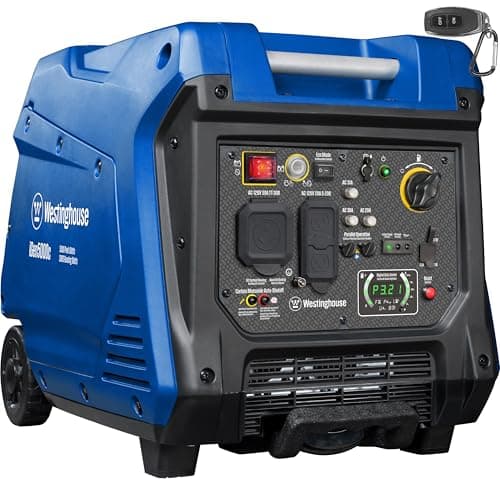 Westinghouse iGen5000c 5,000W Inverter The gasoline-only iGen5000 at its best: an 18-hour runtime, a live runtime display and the same 52 dBA enclosure, for less than the dual fuel version. | 18-hour runtime on one tank | 9.0/10 | $899.00 |
| 2 | 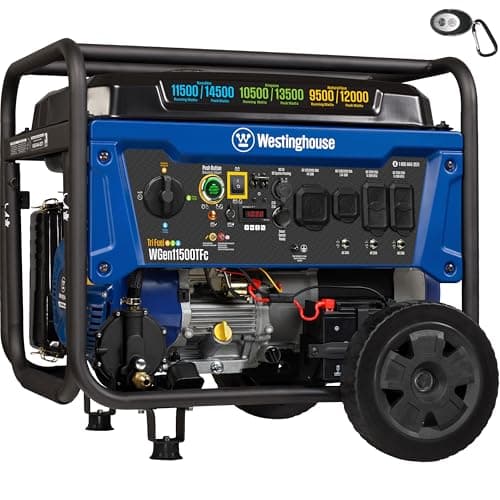 Westinghouse WGen11500TFc 14,500W Tri-Fuel Buy this when the sizing math genuinely lands above 10,000 running watts — not because bigger feels safer. | Larger homes with real 240V loads | 9.4/10 | $1,499.00 |
| 3 | 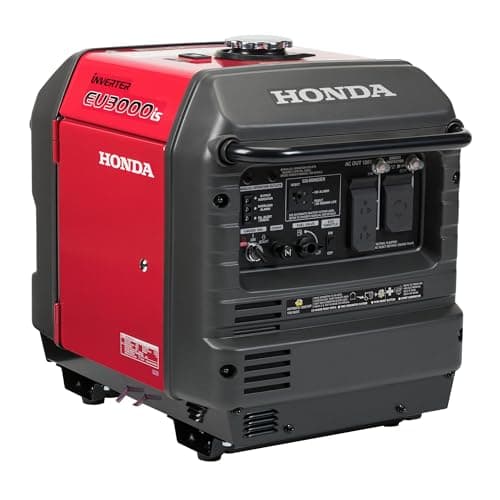 Honda EU3000iS 3,000W Inverter The quiet-at-all-costs answer for running a furnace, fridge and lighting overnight — priced accordingly. | Quiet backup for a furnace and fridge | 8.9/10 | $2,399.00 |
| 4 | 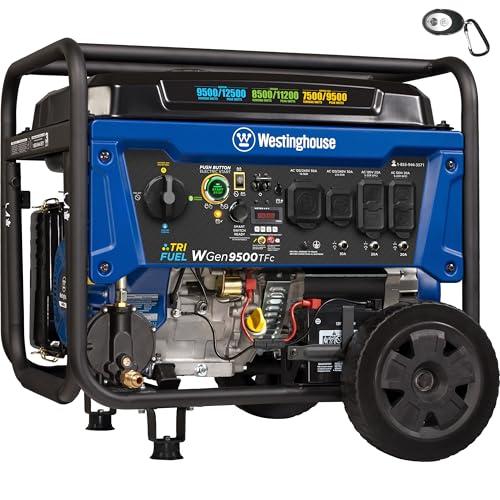 Westinghouse WGen9500TFc 12,500W Tri-Fuel The cheapest credible way to get a generator onto your home's natural gas line, and the only machine at this price that publishes what it makes on all three fuels. | Natural-gas hookup at the lowest cost | 9.4/10 | $1,149.00 |
| 5 | 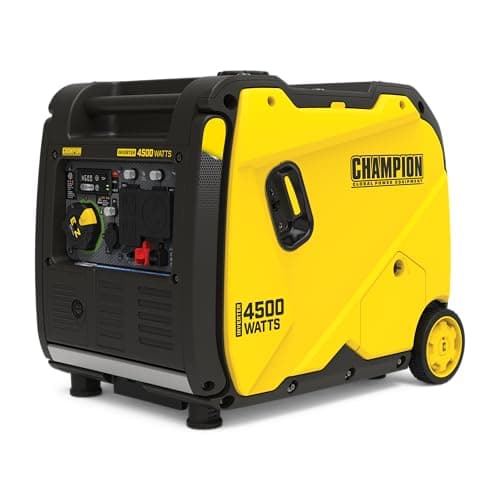 Champion 4,500W RV Ready Inverter The best balance of quiet, clean power and real output for cord-based backup: enough for the essentials, under 3% THD, half the price of the Honda equivalent. | Quiet backup at a sane price | 9.2/10 | $749.00 |
#ad Amazon prices as of November 19, 2026; they may have changed since. Scores are our editorial judgment from published specifications, not test results — how we pick. How we are funded.
What an overnight run actually requires
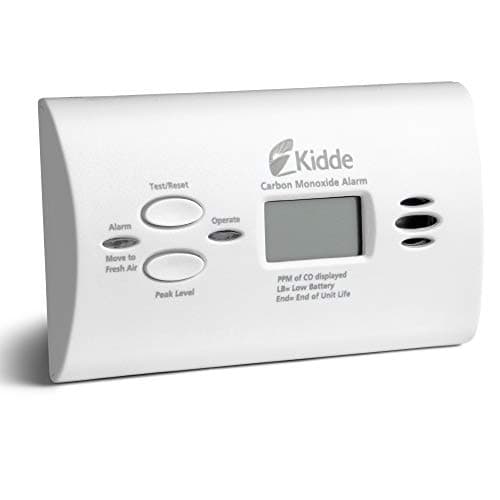
The one accessory nobody should skip
Kidde KN-COPP-B-LPM Battery CO Alarm
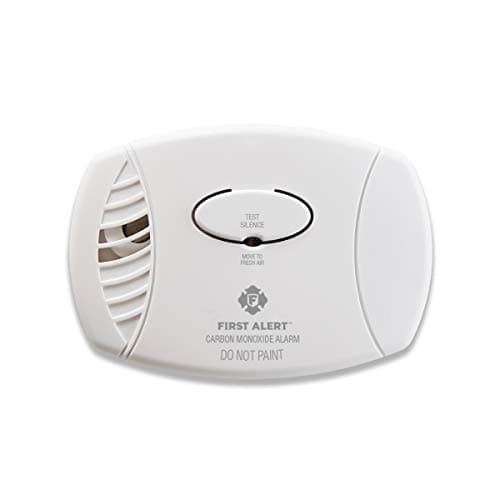
A second alarm for upstairs
First Alert CO400 Battery CO Alarm
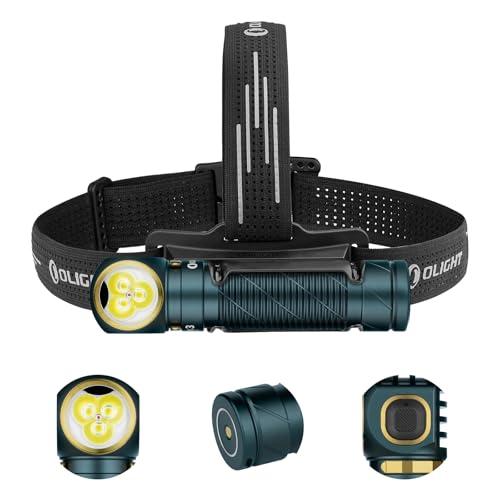
Hands-free light for refueling in the dark
Olight Perun 3 Headlamp
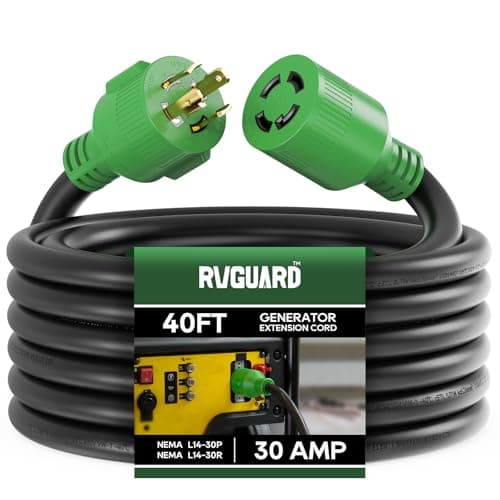
ETL listing and pure copper
RVGUARD 40 ft 30A L14-30 Cord, ETL Listed
Battery CO alarms on every sleeping level — two, because the guidance is per level. A hands-free light, because the one job you may have to do at 3am takes both hands. And a cord long enough to achieve the published 20-foot distance.
Three: the job you must not do in the dark
If the tank will not cover the night, the honest answer is not to set an alarm and refuel at 3am. Gasoline spilled onto a hot engine or exhaust is a fire, and every manufacturer's instruction is to stop the engine and let it cool before refueling. In the dark, half asleep, with a funnel and a five-gallon can, that instruction is at its hardest to follow and its most important.
There are three better answers, in order of how much they cost you:
- 1Run a lighter load overnight. Published runtimes stretch dramatically as load falls — the Honda EU3000iS spans 6.9 to 19.6 hours on the same 3.4-gallon tank purely on load. Shedding everything except the refrigerator and a light before bed is free and often doubles the night.
- 2Run on propane or natural gas. A tank swap is a connector, not a pour, and a plumbed natural gas line never needs attention at all. Dual fuel, tri-fuel and gas compared sets out what each costs you in output.
- 3Accept a gap. A refrigerator holds about four hours with the door shut, and a full freezer about 48. Running the generator from dusk until you go to bed, then again at first light, is a legitimate plan and the one most people should be making. How long food lasts in a power outage is the arithmetic behind it.
The thing nobody mentions until the first complaint
Noise. An open-frame generator at 70-plus dBA is unremarkable at two in the afternoon and genuinely antisocial at two in the morning, and many towns have a night-time noise ordinance that does not carve out an exception for storms. An inverter machine is the structural fix — Westinghouse publishes as low as 52 dBA for the iGen5000c and the iGen2550DFc — and how to quiet a generator covers what helps on a machine you already own. What does not help is a box, a shed, or anything else that encloses it.
Questions people actually ask
Can you leave a generator running overnight?
Yes, if it is outdoors, at least 20 feet from the house with the exhaust directed away from doors, windows and vents, and you have battery-powered CO alarms on every sleeping level. The practical limits are the published runtime of your machine, the fact that refueling a hot engine in the dark is the most dangerous thing you can do with it, and the oil level.
How long can a generator run on one tank overnight?
It depends on load far more than on tank size. Published figures in our registry run from about 10.5 hours at half load on a WEN DF8000X to 19 hours on a Westinghouse WGen11500TFc, and the Honda EU3000iS publishes 6.9 to 19.6 hours from the same 3.4-gallon tank purely as the load changes. Shedding everything but the essentials before bed is the cheapest way to make the night.
Is it safe to sleep with a generator running?
Only with the machine outdoors at the published distance and working battery CO alarms inside. Sleeping is what makes carbon monoxide dangerous rather than merely harmful — the early symptoms are headache, dizziness and confusion, and none of them wake you. The CPSC publishes that an average of nearly 100 people a year die of CO poisoning from portable generators.
Can I refuel a generator while it is running?
No. Stop the engine and let it cool first. Gasoline spilled on a hot engine or exhaust ignites, and doing this at three in the morning with a funnel is where it goes wrong. If your tank will not cover the night, run a lighter load, run on propane so that refueling is a tank swap, or plan a deliberate gap and keep the refrigerator shut.
Will running a generator all night damage it?
Not in itself — these engines are built to run for hours. What a long run consumes is oil, and every portable has an automatic low-oil shutdown that stops the engine when the level falls far enough. Check the oil before a long run rather than after it, and see [the maintenance schedule](/generators/generator-maintenance-schedule) for the published intervals.
Is it legal to run a generator at night?
Placement is governed by safety guidance; noise is governed by your town. Many jurisdictions have a night-time noise ordinance with no storm exception, and an open-frame generator sits well above the level those ordinances usually set. An inverter machine is the structural answer — Westinghouse publishes as low as 52 dBA on several models.
Sources
- US CPSC — winter storm carbon monoxide and fire safety release (January 2024)The published figure that an average of nearly 100 consumers die in the US each year from CO poisoning from portable generators, the never-in-an-enclosed-space and 20-foot placement wording, and the battery CO alarm guidance.
- US Consumer Product Safety Commission — Portable Generator Information CenterThe placement, never-indoors and CO-alarm guidance this site repeats on every generator page.
- FoodSafety.gov — food safety during a power outageThe 4-hour refrigerator and 48-hour full-freezer guidance, and the 40 F / 140 F safe-temperature thresholds.
Read next
Guide
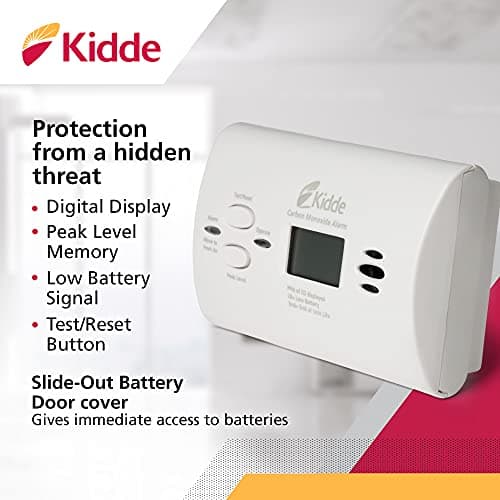
Generator Carbon Monoxide Safety
The CPSC placement rules, why a garage with the door open is still unsafe, and the battery CO alarm that should be your first purchase.

Reference
How Far Should a Generator Be From the House?
The published 20-foot minimum, what the distance is actually protecting against, and the cord and connection choices that make it achievable.
Guide
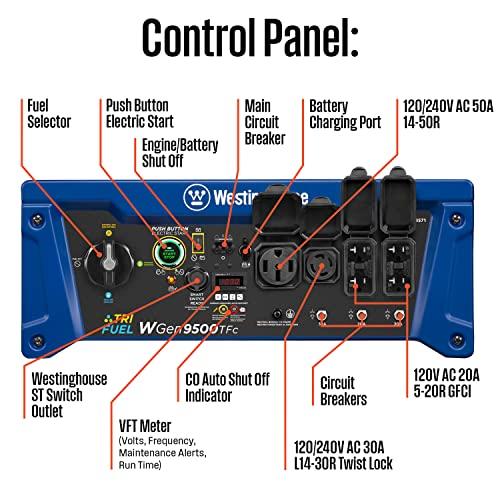
How Long Will a Generator Run?
Published runtime figures across fuels and loads, and why fuel choice matters more than tank size.
Guide
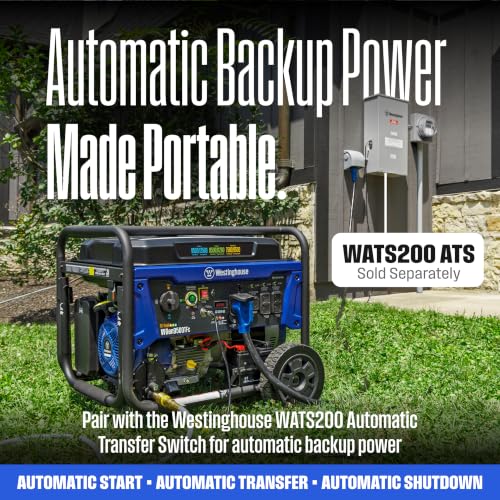
How Long Can a Generator Run Continuously?
The three real limits on a continuous generator run — tank, oil interval and the cool-down a refuel requires — with every published runtime figure in the registry.
Guide
How to Quiet a Generator
Making a running generator quieter: why distance dominates, what placement and load do, and why a box around it is a carbon monoxide hazard.